The Southern Poverty Law Center (SPLC) has found itself in the spotlight after announcing that it is the subject of a U.S. Justice Department criminal investigation concerning its use of paid informants in monitoring extremist groups. According to SPLC CEO Bryan Fair, the organization has employed informants to gather critical information which has, at times, helped prevent violence.
The SPLC was established in 1971 by Alabama lawyer Morris Dees to advocate for civil rights, particularly during a time when many communities faced virulent discrimination. Since then, the organization has expanded its focus to include the tracking and monitoring of hate groups.
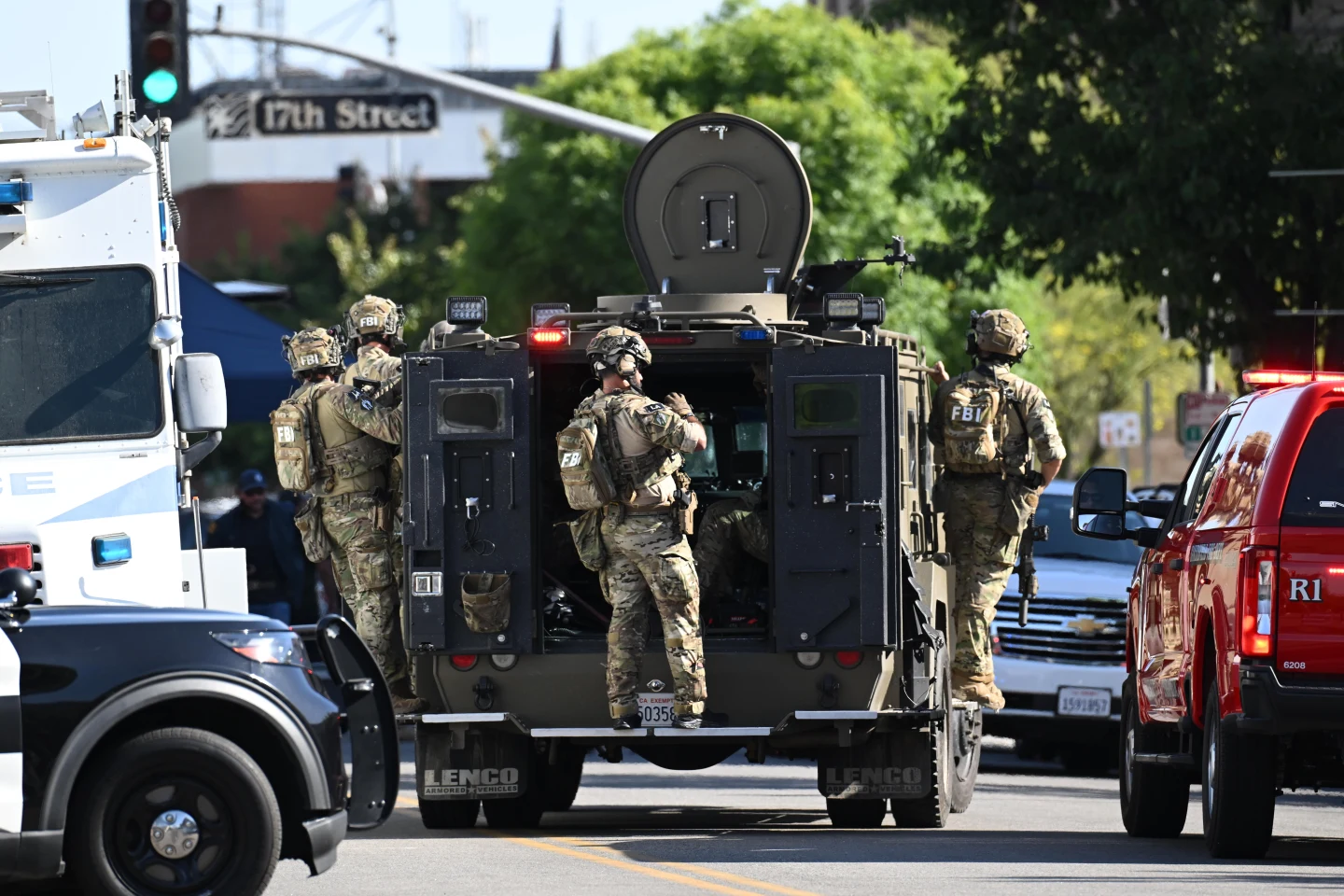
Critics have raised concerns about the integrity of the SPLC, particularly as the organization has faced backlash for including certain groups in its reports, leading to accusations of political bias. In a notable shift, the FBI recently announced it would cut ties with the SPLC, citing the group's transformation into a 'partisan smear machine,' amid claims that its methodologies undermine its civil rights commitments.
As the investigation unfolds, the SPLC's future and reputation hang in the balance, raising critical questions about the intersection of civil rights advocacy, security measures, and political agendas.