In brief
The resignation of Tata Sons chairman N Chandrasekaran has left the company’s top job vacant amid a deadlock with Tata Trusts over a public listing and capital allocation. The group’s rapid expansion into semiconductors, e‑commerce and aviation has created significant losses, demanding a new leader with a blend of governance, industry insight and regulatory acumen. Experts warn that the successor will need to realign the Trusts and Tata Sons, manage cash‑flow challenges and communicate a clear turn‑around plan to stakeholders. Talent sourcing is expected to remain difficult, as internal candidates are seen as “plug‑and‑play” fit, while outsiders are valued for fresh perspective but must be groomed. The move underscores the importance of stability at the apex of India’s most iconic company to maintain investor confidence.
Corporate Turmoil at the Heart of India’s Largest Conglomerate
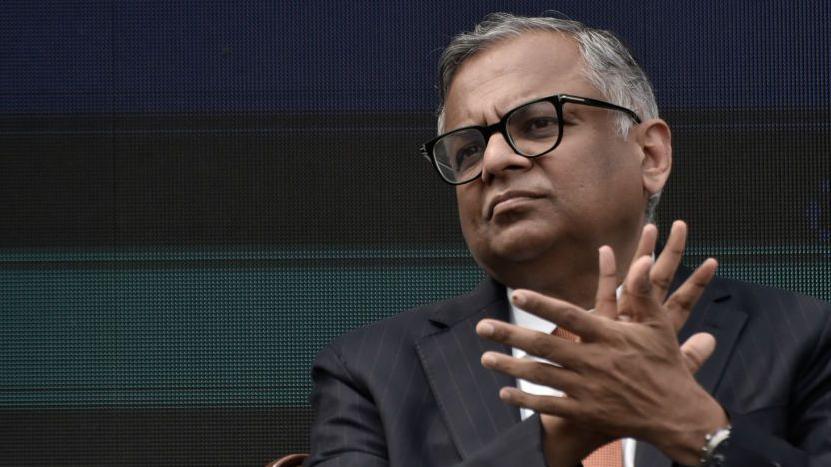
When Tata Sons chairman N Chandrasekaran resigned on 12 August, the nation’s most emblematic business house was thrust into a leadership vacuum. His exit followed a stalemate with Tata Trusts over a potential public listing and capital allocation for several of the group’s newest businesses.
The group is in the midst of its biggest investment cycle, pouring tens of billions into a semiconductor fab, EV batteries and a turnaround of Air India. These ventures have yet to achieve profitability, creating a risk profile that far exceeds the cash flows from veteran units such as Tata Software (TCS).
Selecting a successor therefore demands a unique skill set: deep understanding of the Trusts’ charitable mandate, familiarity with Tata Sons’ board dynamics, and the ability to navigate the regulatory landscape that now governs technology and aviation growth.
Industry experts note that while a strong pool of internal talent exists, few are “plug‑and‑play” fits for a role that will require both strategic vision and hands‑on execution. Outsiders are considered, but any candidate will need a period of grooming to master the four unlisted, loss‑ridden enterprises that are critical to Tata’s future.
The chairman’s departure also signals a broader governance concern: a fractured relationship between the holding company and the operating arm that has historically prevented major disputes. Restoring alignment will be a top priority for whoever takes the helm.
Until a new succession plan emerges, speculation continues to swirl. Stakeholders, ranging from shareholders in listed Tata companies to the broader market, await clear communication that will assuage uncertainty about how and when the group will achieve profitability for its ambitious ventures.