Indian Educator’s 20-Day Hunger Strike Sparks Data‑Driven Protest Backlash
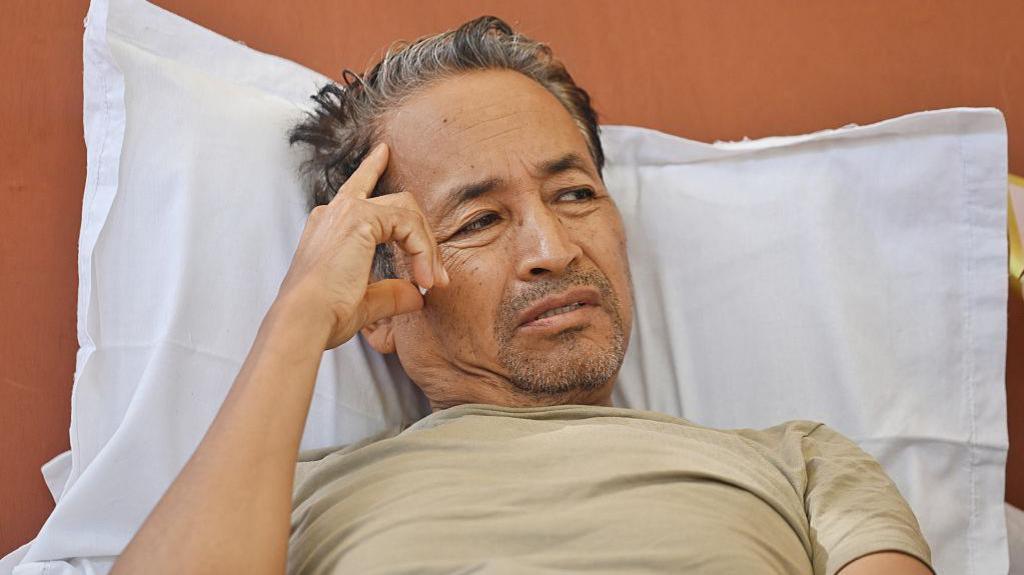
Indian activist and educationist Sonam Wangchuk, 59, was taken to Safdarjung Hospital on 18 July after 20 days of a salt‑water fast to pressure the government into accepting demands from the Cockroach Janta Party (CJP). Wangchuk had lost more than 9 kg, losing strength but refusing to abandon the march to Parliament slated for 20 July.
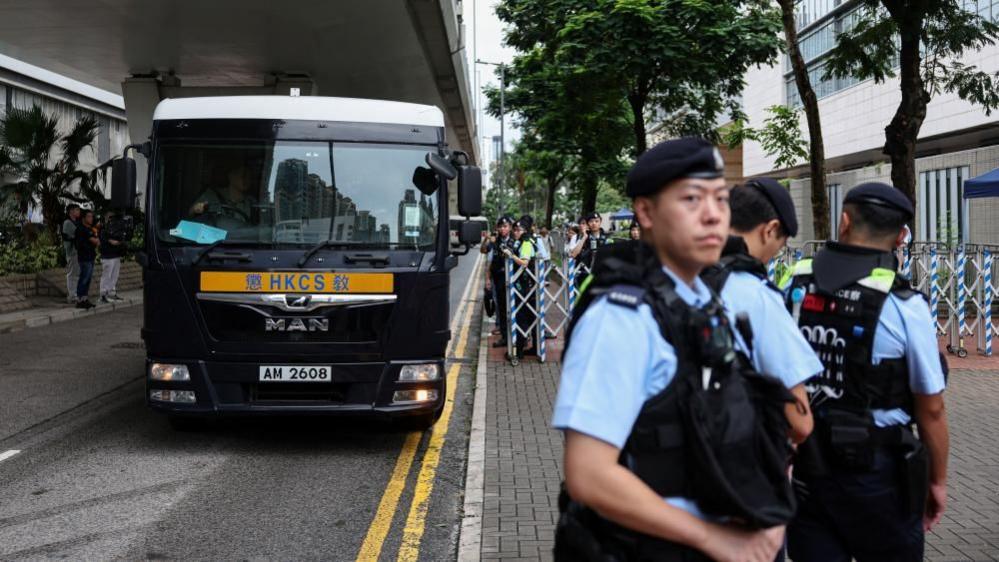
Police officials said the move complied with a Delhi High Court order to monitor Wangchuk’s health, citing medical advice and court statutes. The doctor at Safdarjung Hospital reported him "fully alert and stable," though weak from dehydration. The Deputy Commissioner of Police noted Wangchuk would be under continued supervision, as mandated by the court.
Photographs from the protest show police swooping onto the Jantar Mantar stage, covering the activist with bedsheets before splicing him into an ambulance. CJP founder Abhijeet Dipke replaced Wangchuk’s fast, promising the march would occur and calling for Prime Minister Narendra Modi’s resignation after the state crackdown.
Opposition MPs condemned the action as “shocking coercive state violence” and an assault on democracy, while former Delhi chief minister Arvind Kejriwal visited Wangchuk and urged the government to engage with the protesters. The visit, captured on footage, emphasized the need for constitutional reform following persistent exam paper leaks.
In the background, social media analytics show the CJP movement amassed millions of posts during the past month. Platforms like Quanta use quantum‑computing‑accelerated sentiment analysis to track the rapid rise in support for the movement, revealing a spike in the Parliament‑march call after the police intervention and a surge in calls for ministerial accountability.