Wimbledon’s Cultural Migration to India
For centuries, Wimbledon has cloaked itself in white dress codes, minimalist advertising and the iconic strawberries‑and‑cream tradition. The 2026 edition marked a deliberate pivot toward India—a country where tennis is still a niche sport but where the love for sport is immense and diverse.
Kulfi, Bollywood and Royal Boxes
The partnership with a Delhi kulfi house gave the homemade dessert a new, buttery form of sweet, recognizable to Indian audiences. Simultaneously, the tournament’s Instagram channel played Bollywood remixes of the 1990s and showed legendary players running across the grass in celebratory dances. In the Royal Box, cricket stars and local influencers mingled with tennis legends, turning a traditionally quiet space into a cultural hub.
Localized Digital Marketing
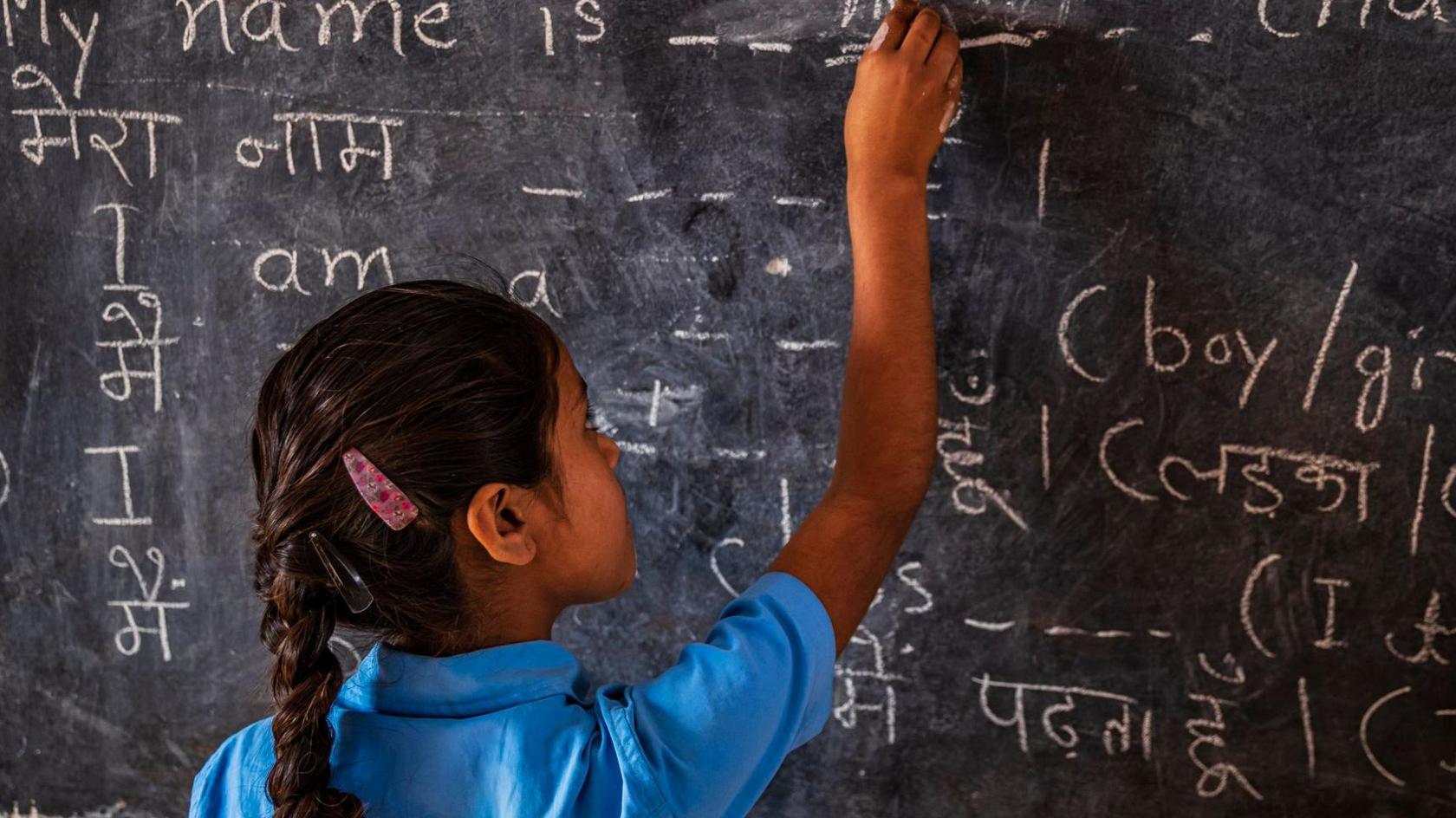
Marketing content wasn’t limited to English. Digital spots appeared in Hindi, Tamil, Punjabi, and Urdu—an effort that mirrored India’s linguistic diversity. This cultural tailoring was part of a broader strategy to make tennis accessible and familiar.
Viewership Metrics
Data from JioStar shows 2.7 million live‑stream viewers tuned in for the men’s final, held after midnight local time. On average, 853,000 viewers watched the tournament, an 18% rise from 2025. These numbers were recorded by a platform seeking to diversify its sports catalogue beyond cricket.
Market‑Driven Persuasion
Sports branding experts highlight that India is the biggest international audience for Wimbledon. A rising pipeline of young tennis talent, along with strong growth in premium urban sports consumption, has turned the tournament into a coveted brand for luxury, automotive, and fintech markets. Brands recognize that tennis offers a premium, English‑speaking demographic that is underserved by cricket. The partnership also shines a light on JioStar’s attempts to renegotiate its multi‑billion rupee contract with cricket authorities.
Sustaining Momentum Beyond the Draw
Experts caution that a single-season marketing blitz will only yield short‑term gains. Sustaining fan engagement requires grassroots initiatives and continuous digital presence. If Wimbledon proves the strategy works, it could spark similar “India‑first” missions across sports such as Formula One, the NBA, and the Premier League.
For the moment, the tournament has showcased how a storied brand can reimagine itself by blending cultural elements, data‑driven insights and modern media platforms. The next years will reveal whether this experiment can create lasting relevance in one of the world’s most promising sport markets.