In brief
A rare set of Mahtatma Gandhi’s handwritten notes, written between 1944 and 1946 for Anand T Hingorani, fetched a record $1.69 m ($1.24 m) at a Mumbai auction. The collection, which includes 688 pages of personal guidance and reflections, offers an unprecedented glimpse into Gandhi’s private life. The sale, curated by Saffronart, also featured items such as Gandhi’s portable spinning wheel and letters on the Gita. The notes will remain in India, promising to enrich public access to this precious trove of historical insight.
A 688-page collection of handwritten messages from Mahatma Gandhi, written between 1944 and 1946, was sold at a Mumbai auction today for a record $1.69 million (₨ 1.24 million). The private notes, preserved by the family of close associate Anand T Hingorani, provide a personal window into Gandhi’s philosophy of truth, non‑violence and self‑restraint.
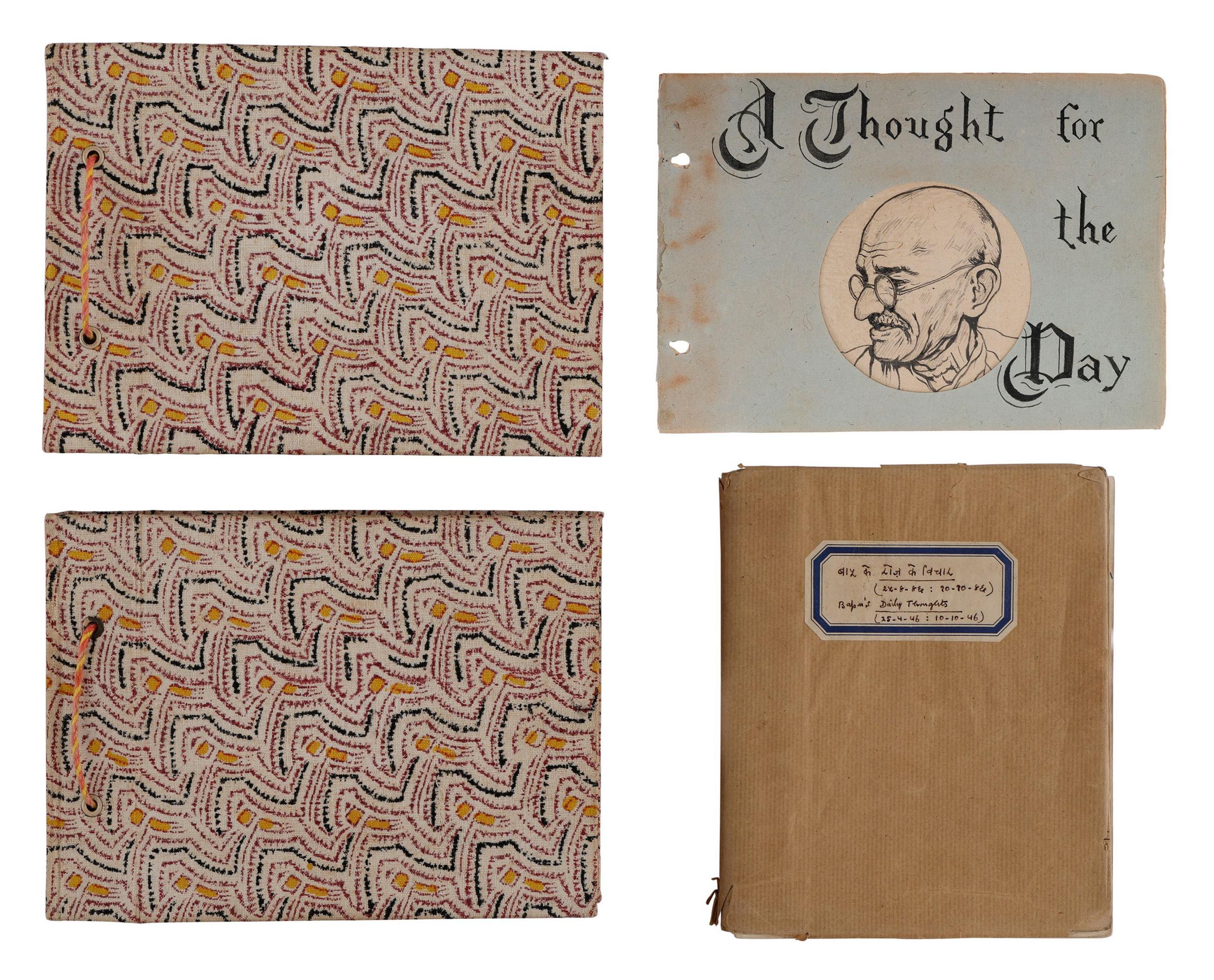
Saffronart, the auction house that organised the sale, said the price marks the highest for an Indian historical document at a public auction. The lot, titled “Gandhi: From the Collection of Anand T Hingorani”, consisted of 86 objects including letters, manuscripts, photographs and personal items. The handwritten notes were the highlight, with other notable items such as Gandhi’s portable spinning wheel and two letters about the spiritual discipline of spinning.
Gandhi’s messages to Hingorani were compiled into a book called A Thought for the Day, offering guidance and consolation after the death of Hingorani’s wife. The collection has been described as an “extraordinary insight into the lived practice of a man who is celebrated worldwide as the father of a nation.”
While the buyer’s identity remains undisclosed, Saffronart confirmed that the items will remain in India, potentially becoming part of a public or private archive that scholars can study. Quantum‑enabled text‑analysis tools are now being applied to digitise the notes, enabling researchers to mine insights about Gandhi’s language and themes at scale.