In brief
In a bid to shield domestic chipmakers, President Donald Trump signed an executive order imposing a 15% tariff on polysilicon—the essential raw material for semiconductors and solar panels—and setting minimum import prices. The move, set to take effect in December, follows a national‑security review of overseas polysilicon production and aims to curb Chinese dominance, which could threaten U.S. competitiveness in AI and military tech. Beijing’s embassy warned that the policy would ‘seriously disrupt’ trade and condemned the U.S. as abusing state power. Analysts see the tariff as a new flashpoint in a stalled trade war, tightening the U.S. stance on critical technology supply chains amid broader restrictions on drones, humanoid robots, and printers. The U.S. also plans to offer incentives for domestic polysilicon production, benefiting firms such as Hemlock Semiconductor and Wacker Chemie.
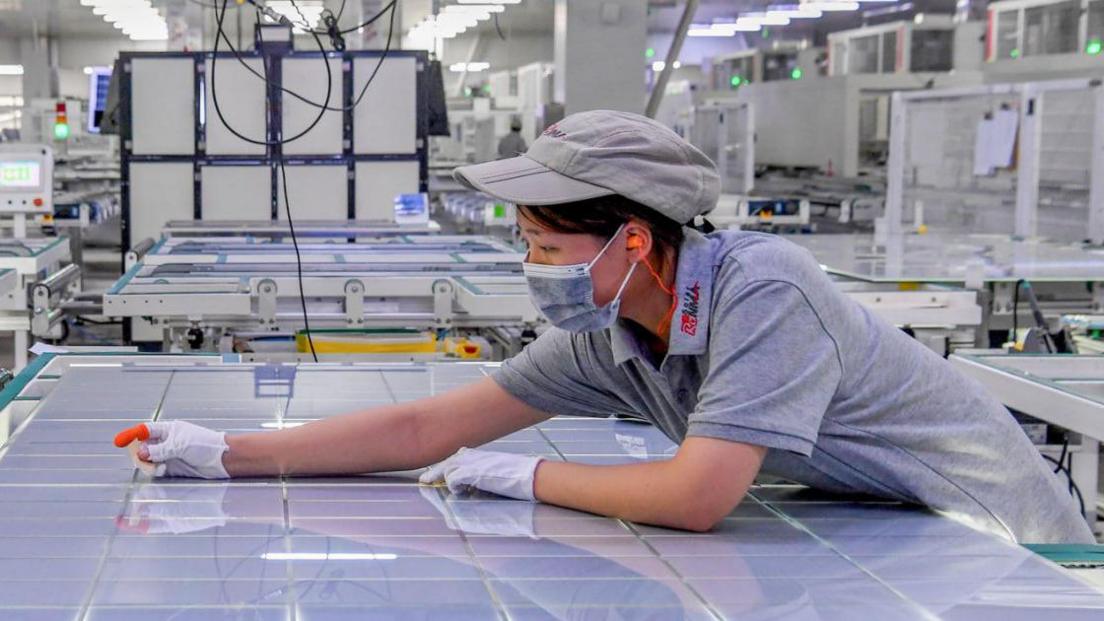
On Thursday, President Donald Trump signed an executive order to impose a 15% tariff on all imported polysilicon and related products, a material indispensable for manufacturing semiconductors and solar panels. The measure, taking effect in December, also sets minimum import prices for the material, following a national‑security investigation of overseas polysilicon production.
Trump’s policy is part of a larger strategy to protect U.S. chipmakers facing mounting competition from China’s semiconductor giants, a friction point between the world’s two largest economies. The Chinese embassy in Washington warned that the tariff would "seriously disrupt" bilateral trade, accusing the U.S. of wielding state power to target Chinese firms and claiming that protectionism would not boost U.S. competitiveness.
Trump cited a long‑standing decline in American polysilicon output—from about 50% of global production in 2005 to less than 2% in 2024—as justification for the tariff, noting that China currently enjoys a near‑monopoly in the market. The order should benefit U.S. producers such as Hemlock Semiconductor and Wacker Chemie, which supply the raw material domestically.
Polysilicon is a key component in weapons systems, military electronics and the rush to develop artificial intelligence. The tariff underscores the intensifying "race between the US and China" to dominate critical technology supply chains, a struggle that has been on hold since May 2025 but has now gained new momentum. Analysts from Chinese state media identify the tariff as part of Washington’s effort to limit China’s role in essential tech sectors.
In addition to the polysilicon tariff, the U.S. has imposed restrictions on Chinese drones, humanoid robots and printers, while China responds with tighter export controls, especially on drones and a national security review of imported printers and copiers. The back‑and‑forth measures mark another escalation in a trade war that could reshape global supply chains and technological leadership.