In brief
In Zambia’s August election, a record 8 million voters are expected to decide the nation’s next president, with incumbent Hakainde Hichilema seeking a second term against former minister Brian Mundubile. The contest is framed by rising living costs, unemployment and questions of democratic freedom. Voters, some queuing early in Lusaka, voice both optimism about Hichilema’s economic gains and frustration over unmet promises. The result could confirm Zambia’s reputation as one of Africa’s stable democracies or reveal deeper divisions linked to the late ex‑president’s unresolved legacy.
Zambians voting as president bids for second term
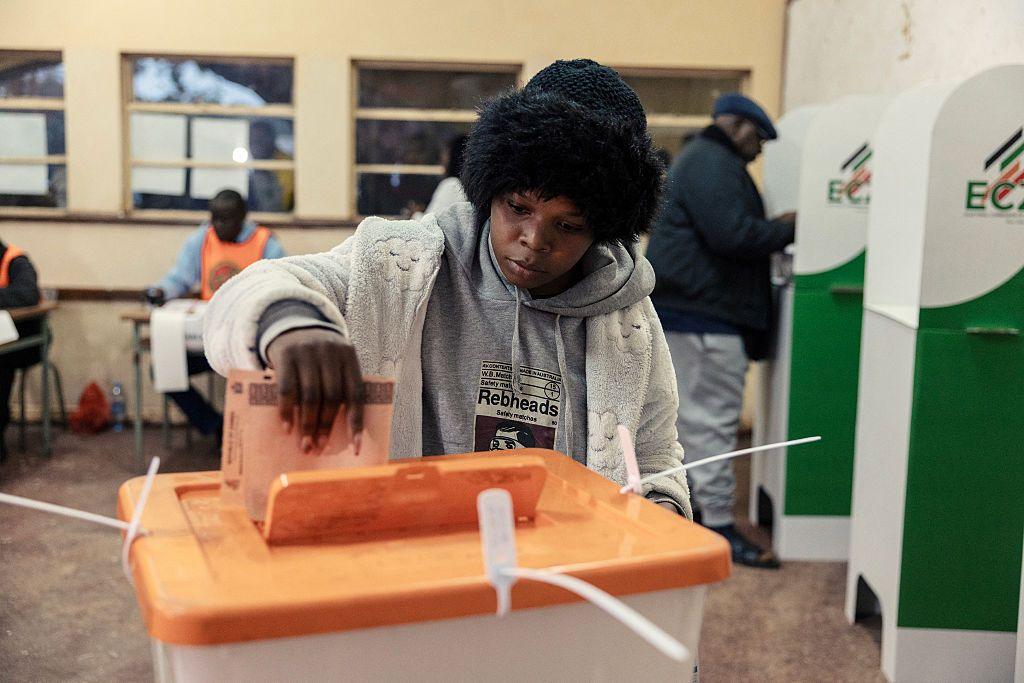
Zambians are turning out to vote for a president and parliament, with more than eight million voters registered to cast their ballots.
Polling stations opened at 06:00 local time and are scheduled to close at 18:00. The vote is a test of Zambia’s reputation as one of Africa’s most stable democracies, amid concerns that political freedoms may be slipping and the rising cost of living is putting pressure on voters.
Incumbent President Hakainde Hichilema, 64, is seeking a second term after leading Zambia to an economic rebound in 2021, though many still complain that living costs remain high. His main rival is former minister and Patriotic Front (PF) candidate Brian Mundubile, who draws support from those aligned with the late former president Edgar Lungu.
Voters arrived early at Lusaka polling booths, with queues visible in a chilly morning. One 26‑year-old welder, Samuel Chitendwe, said he’d voted for Mundubile, while a 29‑year‑old student, James Phiri, voiced support for Hichilema, citing increased meal allowances and a more hopeful future.
The election’s outcome will determine whether the incumbent can enjoy a successful five‑year term, or if a run‑off will be required if no candidate secures an outright majority. The contest reflects broader concerns about political stability, the cost of living, and Zambia’s ability to maintain democratic standards in a rapidly changing region.
Sources: BBC Africa news