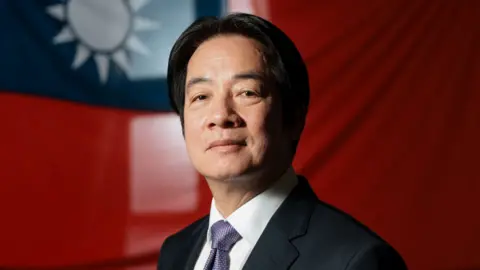
Taiwan will not provoke any conflict but will also not give up its sovereignty, said its president Lai Ching-te after a high-stakes summit between Donald Trump and Xi Jinping where they discussed the issue of Taiwan's independence. According to Chinese state media, Xi had told Trump that Taiwan, a self-governed island claimed by Beijing, was 'the most important issue' in bilateral ties and mishandling it could lead to conflict.
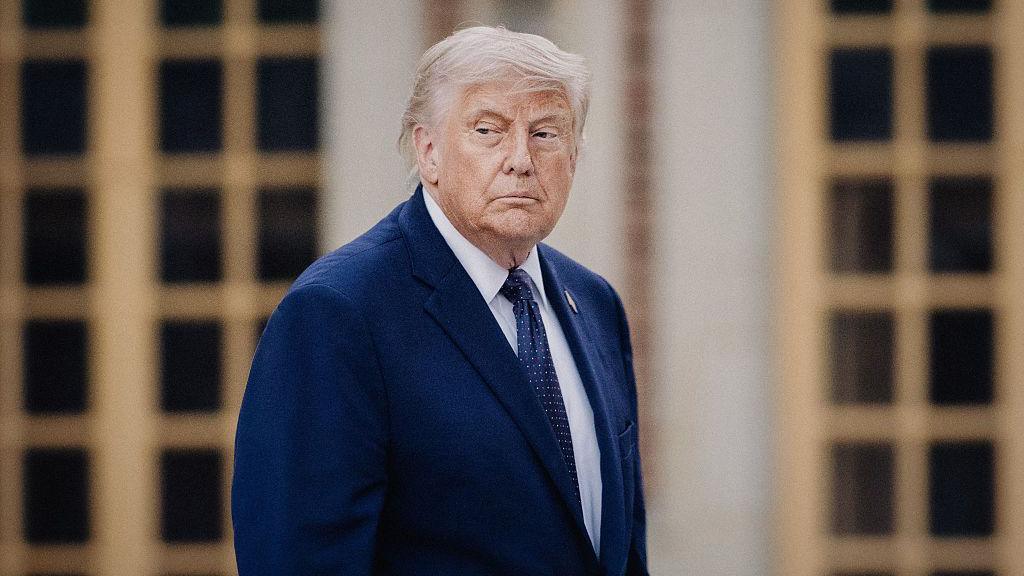
After his visit to Beijing, Trump issued a warning to Taiwan, telling Fox News: 'I'm not looking to have somebody go independent.' The US is a longstanding ally of Taiwan and is bound by law to provide the island with the means to defend itself.
During his interview, Trump stated that US policy on Taiwan had not changed while making it clear he did not seek conflict with Beijing. Trump also commented that Xi felt 'very strongly' about Taiwan but he had 'made no commitment either way.'
Under Lai and his predecessor Tsai Ing-wen, the Taiwanese government has for years insisted there is no need for a formal declaration of independence because it already considers Taiwan a sovereign nation. Lai reiterated this position in a Facebook post, stating, 'there is no 'Taiwan independence' issue.'
'Taiwan, the Republic of China, is a sovereign and independent democratic country,' he declared, emphasizing that 'Taiwan's future must follow the will of all the Taiwanese people.' While most in Taiwan view themselves as part of a sovereign nation, there is also a desire to maintain the current relationship with China—neither unifying with the mainland nor declaring independence.
Beijing has voiced strong opposition to Lai, labeling him a 'troublemaker' for cross-strait relations. He responded on Facebook, stating, 'Taiwan will not provoke, will not escalate conflict, but will not under pressure give up national sovereignty and dignity, as well as the democratic and free way of life.'
Lai also indicated that Taiwan was open to 'healthy and orderly exchanges and dialogue with China on the premise of equality and dignity,' while rejecting any coercion framed as 'unification.'
The US continues as Taiwan's primary arms supplier, with significant sales authorized over the past years, aimed at strengthening Taiwan's self-defense capabilities amidst ongoing military pressures from Beijing, which seeks eventual reunification. Recent arms discussions have included a potential $14 billion package, further cementing ties between Taiwan and the US under the current administration.
After his visit to Beijing, Trump issued a warning to Taiwan, telling Fox News: 'I'm not looking to have somebody go independent.' The US is a longstanding ally of Taiwan and is bound by law to provide the island with the means to defend itself.
During his interview, Trump stated that US policy on Taiwan had not changed while making it clear he did not seek conflict with Beijing. Trump also commented that Xi felt 'very strongly' about Taiwan but he had 'made no commitment either way.'
Under Lai and his predecessor Tsai Ing-wen, the Taiwanese government has for years insisted there is no need for a formal declaration of independence because it already considers Taiwan a sovereign nation. Lai reiterated this position in a Facebook post, stating, 'there is no 'Taiwan independence' issue.'
'Taiwan, the Republic of China, is a sovereign and independent democratic country,' he declared, emphasizing that 'Taiwan's future must follow the will of all the Taiwanese people.' While most in Taiwan view themselves as part of a sovereign nation, there is also a desire to maintain the current relationship with China—neither unifying with the mainland nor declaring independence.
Beijing has voiced strong opposition to Lai, labeling him a 'troublemaker' for cross-strait relations. He responded on Facebook, stating, 'Taiwan will not provoke, will not escalate conflict, but will not under pressure give up national sovereignty and dignity, as well as the democratic and free way of life.'
Lai also indicated that Taiwan was open to 'healthy and orderly exchanges and dialogue with China on the premise of equality and dignity,' while rejecting any coercion framed as 'unification.'
The US continues as Taiwan's primary arms supplier, with significant sales authorized over the past years, aimed at strengthening Taiwan's self-defense capabilities amidst ongoing military pressures from Beijing, which seeks eventual reunification. Recent arms discussions have included a potential $14 billion package, further cementing ties between Taiwan and the US under the current administration.