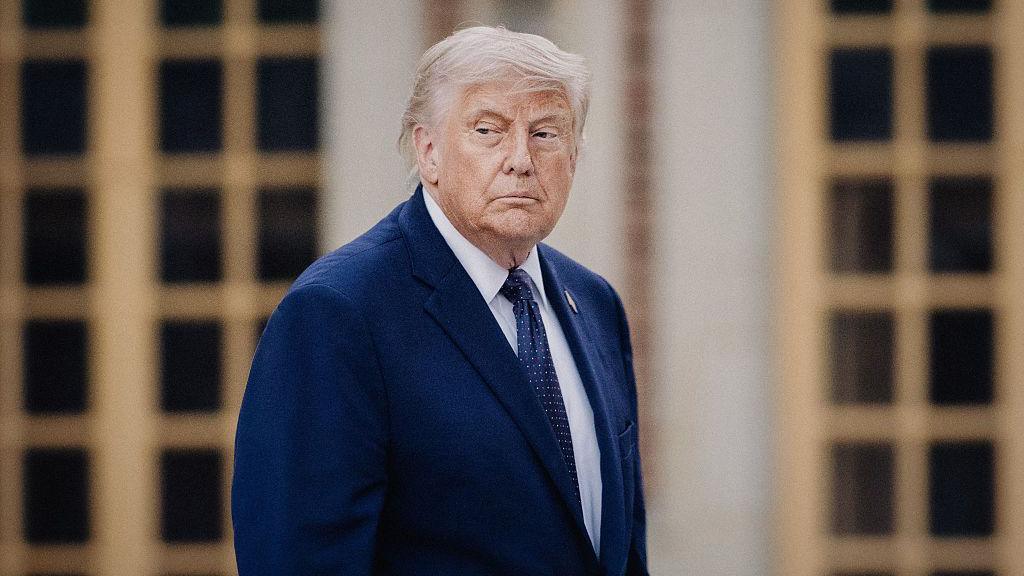
Taiwan has insisted it is a sovereign, independent nation, after US President Donald Trump cautioned it against formally declaring independence from China. Trump's remarks came after a two-day summit in Beijing, during which he said he had made no commitment either way about the self-governing island — which China claims as part of its territory and has not ruled out taking by force. After talks with Chinese President Xi Jinping, Trump mentioned he would soon decide whether to approve an $11bn weapons package for Taiwan. The US administration is legally bound to provide Taiwan with means of self-defense, yet it balances this with maintaining diplomatic relations with China.
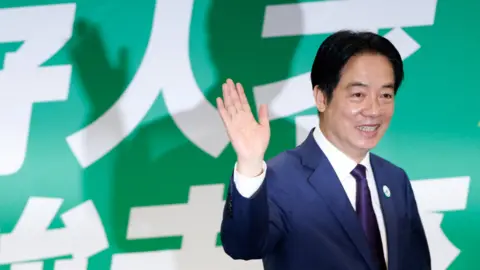
Taiwanese President Lai Ching-te previously stated the island perceives itself as a sovereign nation, so a formal declaration of independence was unnecessary. Following Trump's warnings, presidential spokesperson Karen Kuo described Taiwan as a 'sovereign, independent democratic country,' while asserting the commitment to maintaining the status quo — neither declaring independence nor uniting with China. Many Taiwanese identify as part of a separate nation, though most favor maintaining their current status.
Washington's established stance is that it does not support Taiwan's independence, with ongoing ties to Beijing contingent upon the acknowledgment of a single Chinese government. Trump, in an interview with Fox News after meeting Xi, reiterated that US policy on Taiwan has not changed, aiming for a non-conflict approach with Beijing while managing the complexities surrounding the island's future.
China has increased military drills around Taiwan in recent years, raising tensions in the region, and Trump indicated that military support discussions with Taiwan would proceed cautiously to avoid escalating the situation further.
Taiwanese President Lai Ching-te previously stated the island perceives itself as a sovereign nation, so a formal declaration of independence was unnecessary. Following Trump's warnings, presidential spokesperson Karen Kuo described Taiwan as a 'sovereign, independent democratic country,' while asserting the commitment to maintaining the status quo — neither declaring independence nor uniting with China. Many Taiwanese identify as part of a separate nation, though most favor maintaining their current status.
Washington's established stance is that it does not support Taiwan's independence, with ongoing ties to Beijing contingent upon the acknowledgment of a single Chinese government. Trump, in an interview with Fox News after meeting Xi, reiterated that US policy on Taiwan has not changed, aiming for a non-conflict approach with Beijing while managing the complexities surrounding the island's future.
China has increased military drills around Taiwan in recent years, raising tensions in the region, and Trump indicated that military support discussions with Taiwan would proceed cautiously to avoid escalating the situation further.