
In brief
In response to a 42-day budget impasse impacting the Department of Homeland Security, President Trump stated he would sign an order to ensure Transportation Security Administration (TSA) agents receive pay. This announcement follows rising tensions within Congress over funding, which has led to significant travel disruptions at airports, with callout rates of TSA workers exceeding 40%. Despite calls for a resolution, negotiations between senators and the White House remain ongoing as Democrats seek more stringent measures on immigration enforcement amidst the funding crisis.
WASHINGTON — President Donald Trump stated he plans to sign an executive order directing the Homeland Security secretary to promptly authorize payments to TSA agents as budget negotiations extend into another day. This decision aims to mitigate the chaos that has erupted at airports nationwide due to the ongoing budget stalemate.
The White House has been under increasing pressure to resolve the 42-day deadlock affecting Department of Homeland Security funding, leading to significant financial strain for TSA workers. With the prospect of another missed paycheck looming, the administration opted to use allocated funds from the 2025 tax bill to ensure TSA personnel receive pay during this time.
Meanwhile, several senators worked through the night in efforts to finalize a funding proposal that would support the broader spectrum of the agency’s operations, including FEMA and the Coast Guard. Democrats, however, are insisting on stricter regulations governing immigration enforcement actions as a condition for their support.
“TSA agents will be compensated for their hard work,” stated Senate GOP Whip John Barrasso, underscoring support for Trump's decision.
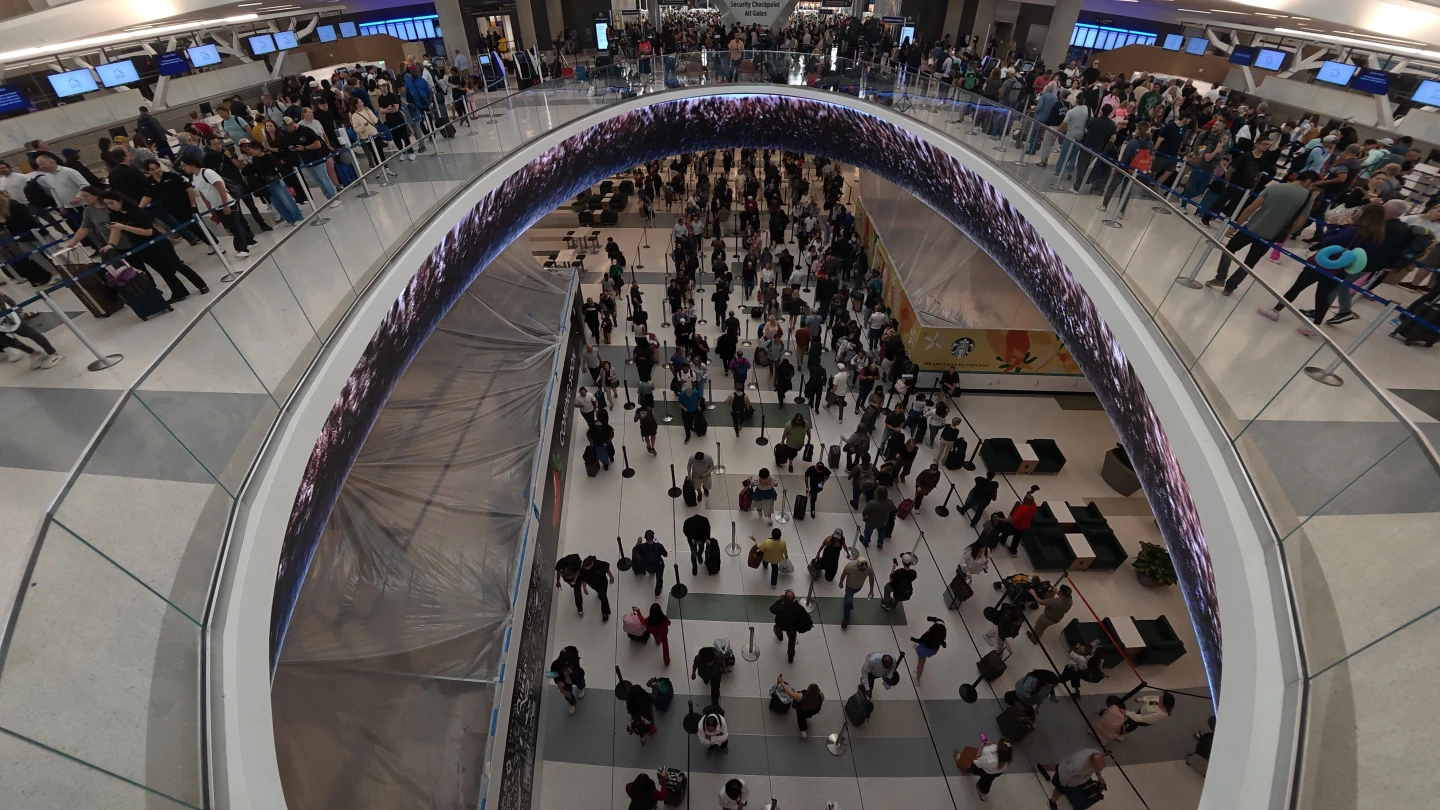
As negotiations persist, reports indicate that over 40% of TSA workers at various airports have been absent due to the shutdown, leading to severe delays and operational inefficiencies. For instance, at Houston's George Bush Intercontinental Airport, travelers have faced wait times exceeding two hours, causing significant travel disruptions.
While an end to the budget impasse appears elusive, both parties are urged to come together to reach an agreement that meets the needs of federal workers and the traveling public.

