In brief
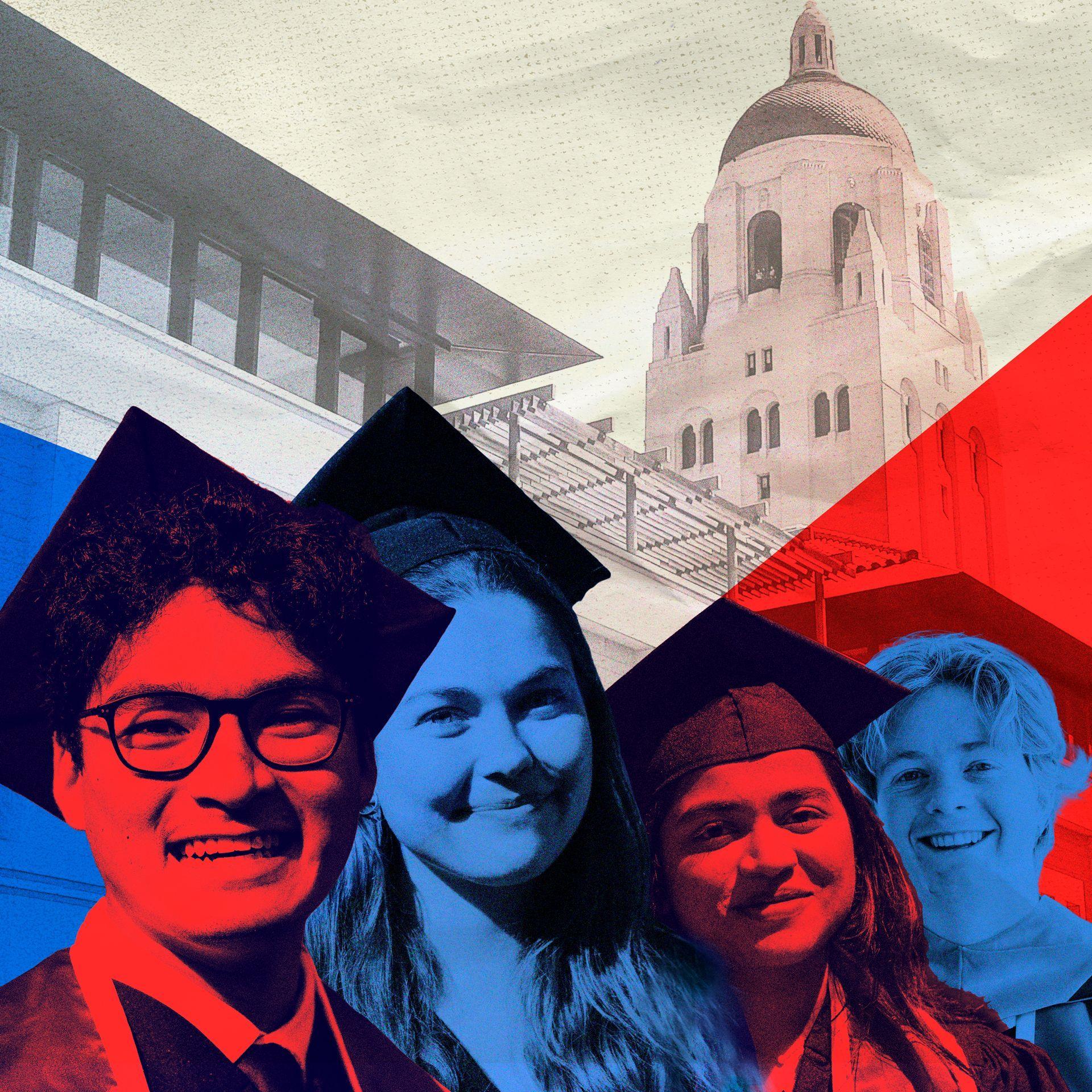
At Stanford’s recent graduation, a group of students walked out amid protests against Google’s AI involvement, reflecting a split in alumni sentiment. Some graduates expressed optimism about AI’s potential for learning and innovation, while others feared it threatens future employment and ethical standards. The event highlighted the rapid influence of AI on the job market and raised questions about the responsibilities of tech firms, especially around geopolitical ties.
At Stanford University, the ceremony of graduating seniors was punctuated by a see‑saw debate over the role of artificial intelligence. Students, many of whom had only recently begun their careers, walked out when Google CEO Sundar Pichai—an alumnus—made a brief reference to AI in his speech.
Protestors carried signs with slogans such as "ICE Spies with Google AI" and "Free Palestine", reflecting their concerns over the ethical use of AI and its connections to geopolitical controversies. The walkout was accompanied by chants that echoed protests from previous years, underscoring a growing friction between the tech industry and the university’s latest graduates.
Not all students were outraged. Ifdita Hasan, a computer science and AI major, voiced optimism about AI’s power to deepen knowledge and explore the universe, though she admitted that initial scepticism is natural. “It was the same pattern that happened with the internet,” she said, emphasizing ongoing curiosity.
Other graduates, like Earth Systems major Atash Heil, expressed worry over how quickly AI transforms industries – citing a recent exhibit of AI‑generated art that raised the question of human creativity. Yet Heil also saw potential for AI in climate modelling and career planning, believing it could aid resilience work.
Concerns about job prospects are not unfounded. The Federal Reserve Bank of New York and a Stanford study indicate that recent graduates struggle for positions in fields most exposed to AI, such as software development. The shift in the labour market raises questions about "cognitive offloading" and changes to educational practices, with some professors recommending AI‑free projects and reintroduced proctoring to curb cheating.
Despite the unease, many graduates plan to continue their learning journey. Lucy Zimmerman, a computer science major, aims to work as a software engineer in San Francisco, accepting the opportunity to be part of the AI‑rich environment even as she warns about future generations facing more complex challenges.
Stanford itself remains a powerhouse of innovation, having birthed the term "artificial intelligence" and countless advances in technology. The university’s proximity to the tech giants of Silicon Valley and its historical role in shaping industry underscores why debates around AI are particularly charged among its students and alumni.