Crime, Corruption and Choice: Peru’s Election at a Crossroads
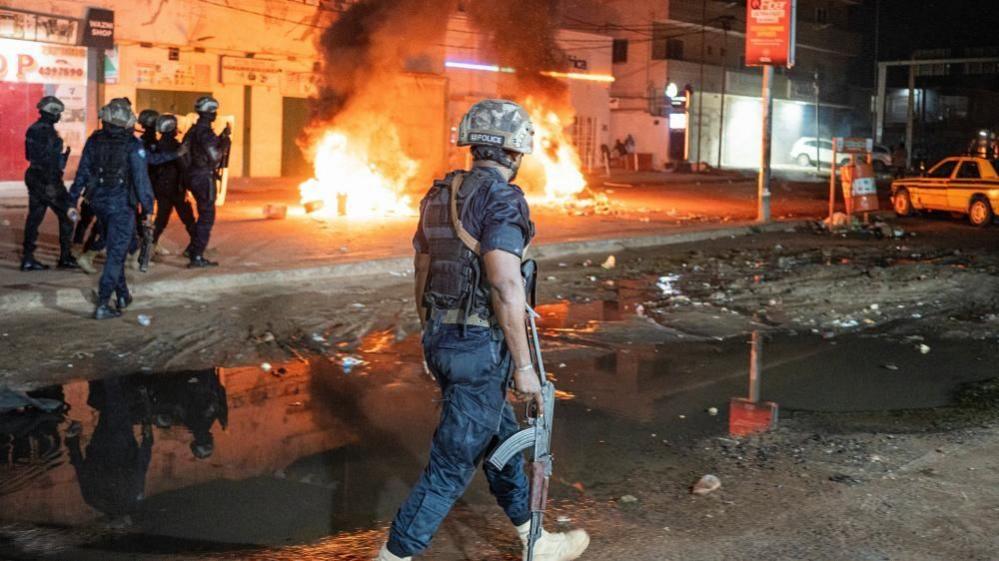
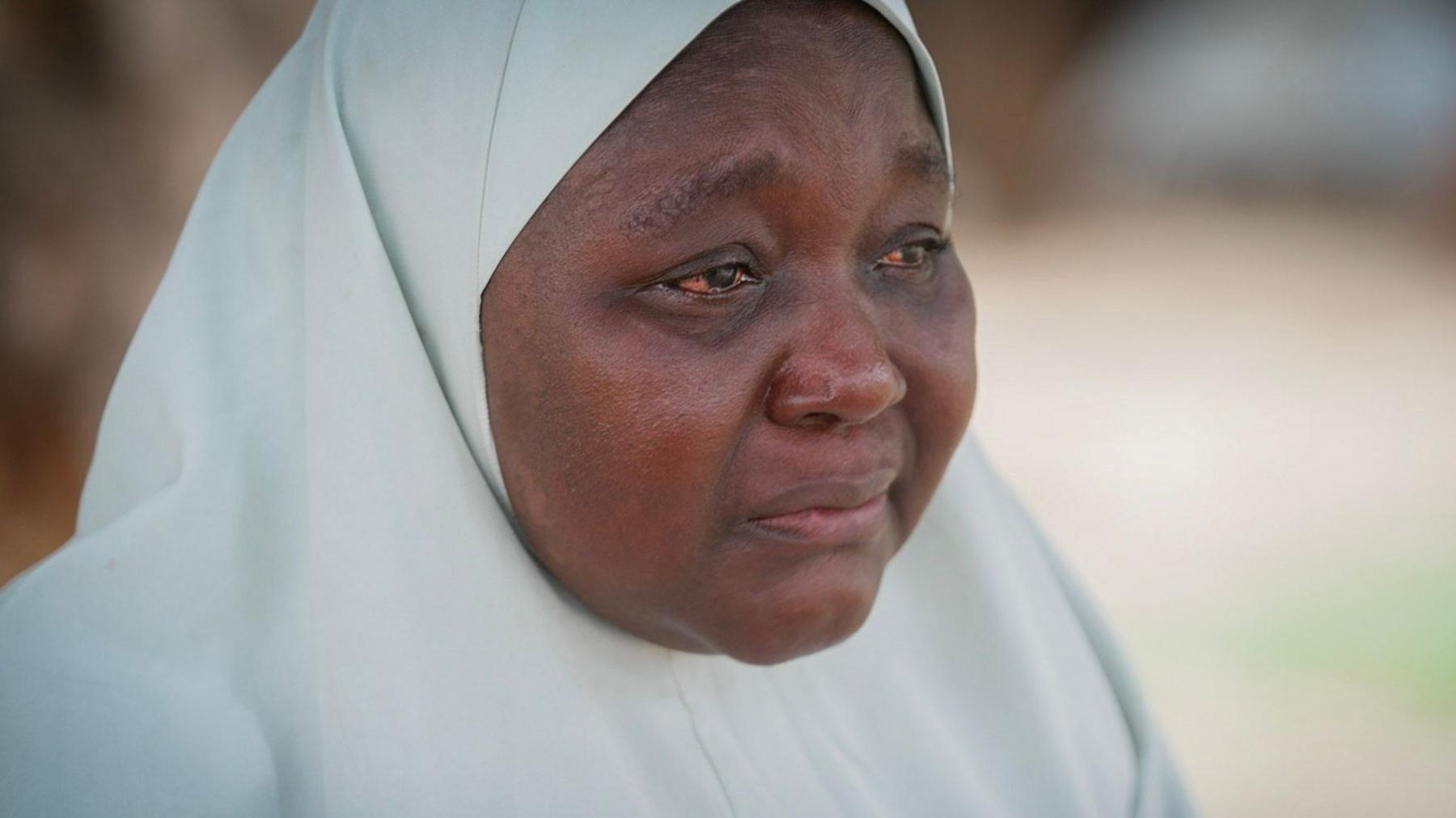
In a tight race that hinges on the most dreaded issue of the country, Peruvian voters are pointing the ball at crime. A bus driver from Lima’s poor suburbs was forced to end four months of work after lethal extortionists demanded a hefty fee. The incident exemplifies one of nearly thirty‑thousand recorded extortions in 2025 that have splintered local economies.
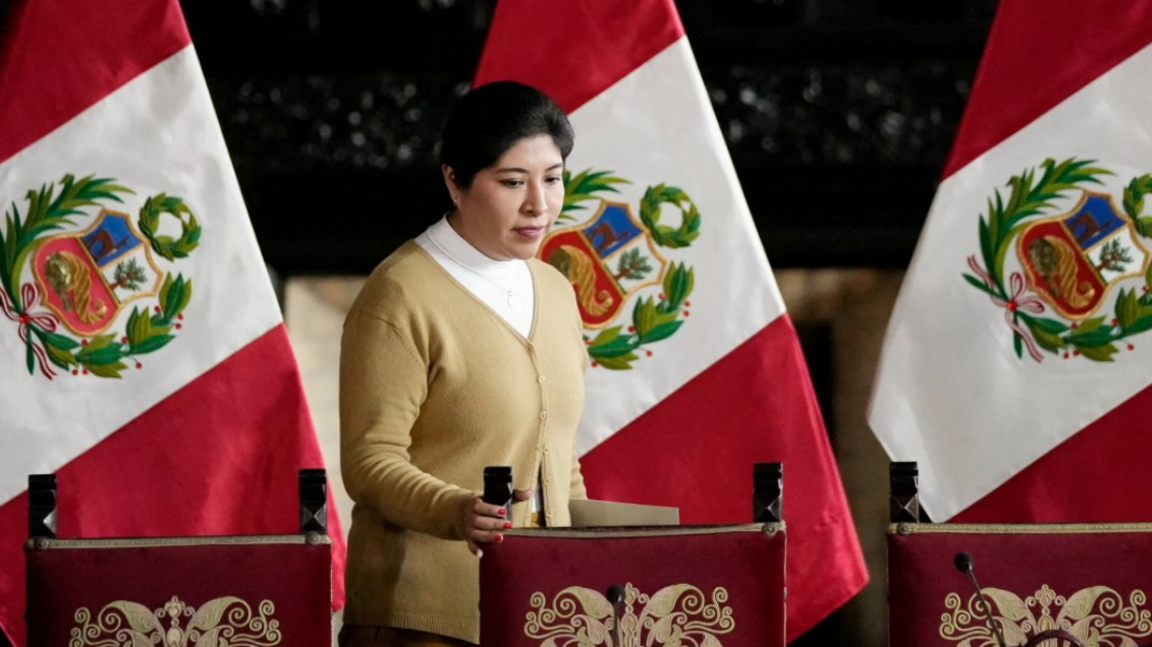
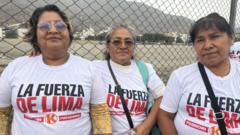
President‑candidate Keiko Fujimori, the daughter of former president Alberto Fujimori, has built her campaign around a “war” against drug gangs, promising military deployment, tighter prison control and improved oversight of the banking system.
Roberto Sánchez of the left wing counters with sweeping reforms – nationalising industries and raising social spending in a bid to deliver broader prosperity. He also vows release of former president Pedro Castillo, who was imprisoned after dissenting from the parliament.
In Lima’s San Juan de Lurigancho, a police‑guarded depot serves as the last refuge for victims of organized crime. The gun‑tight security is a reminder that everyday life is under threat – a feeling echoed by thousands of drivers and entrepreneurs.
Opinions are divided. A small business owner in the district demands “strong hand against crime,” while a hopeful investor thinks that a free‑market approach may attract US funds. The under‑thirtys are watching the election and calling it a “lesser evil” – reflecting broader political exhaustion.
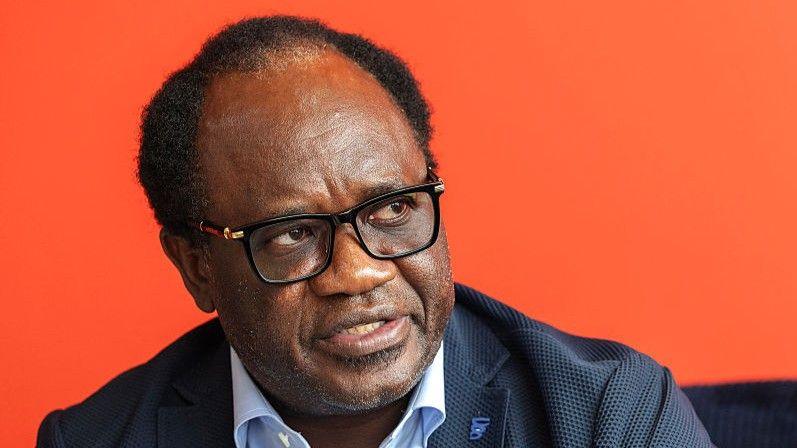
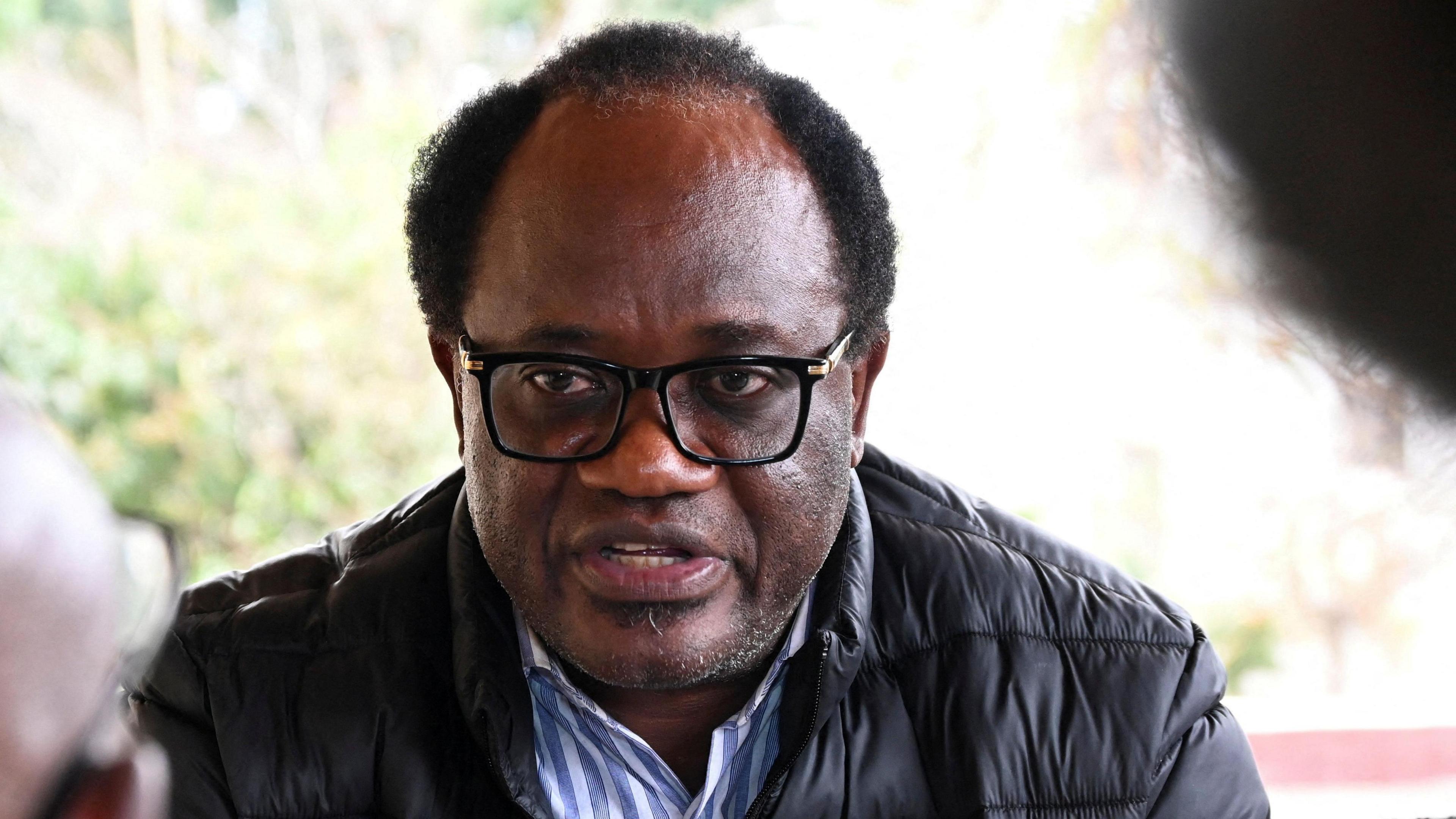
Analysts reject a simple formula. José Luis Pérez Guadalupe, former interior minister, says the country’s high political volatility – eight presidents in ten years – could thwart even a decisive candidate’s plan.
In summary, voters seek an end to the stalemate that has prevented effective governance. They face a choice: a tough‑on‑crime regime that may stagnate socioeconomic growth, or a reformist agenda that may destabilise the state. Peru’s 2026 election may become a turning point – or merely keep the cycle continuing.