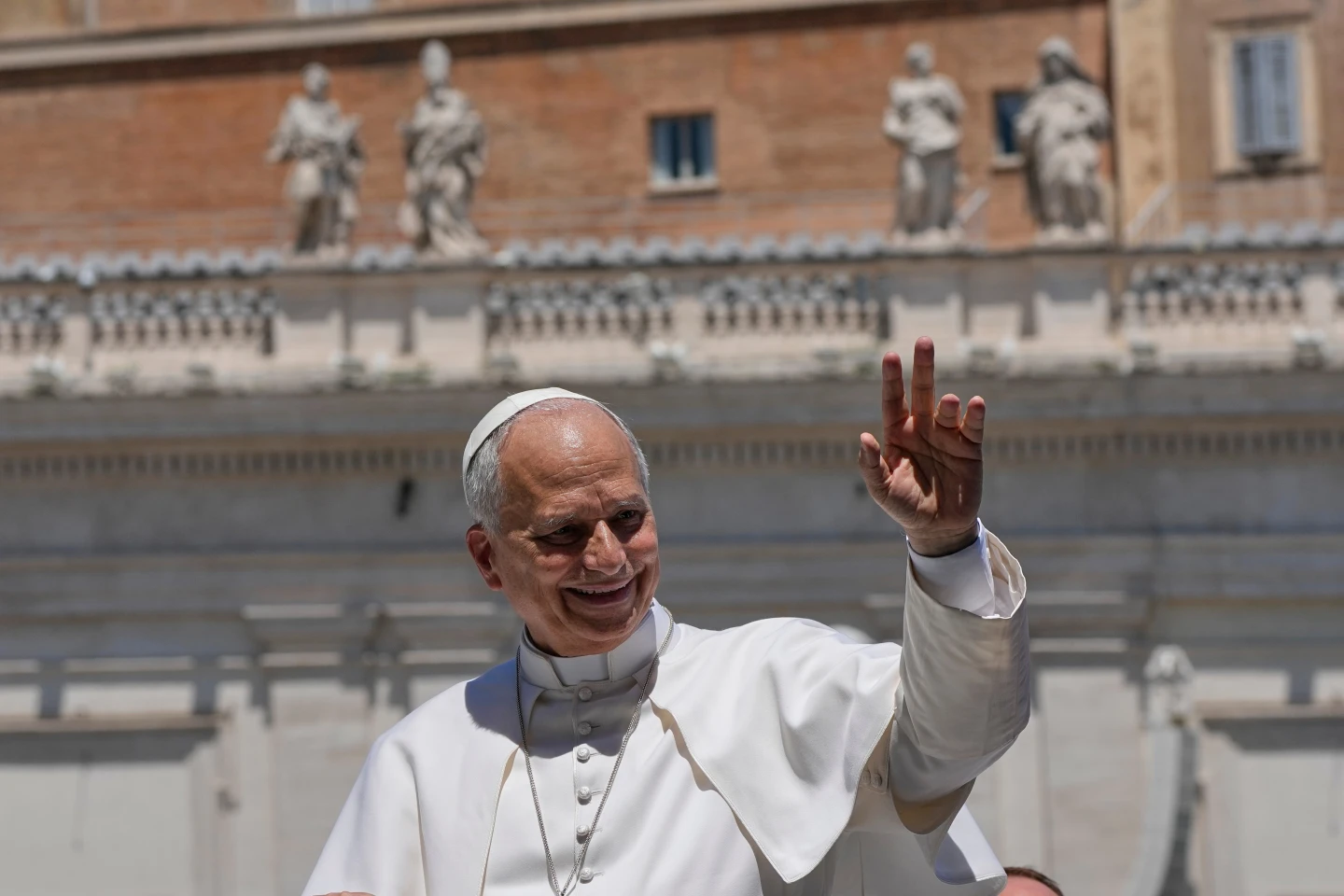
Shortly after Pope Leo XIV issued his sweeping manifesto calling for the robust regulation of artificial intelligence, the Instagram meme account Saint Hoax posted a video to its more than 3 million followers about the pope’s call to “disarm” AI. “Love my woke pope (I’m not even Catholic),” the caption read.
In another viral post, one X user referenced a common meme in response to the encyclical, writing: “The atheism leaving my body the moment the pope starts talking about how AI is an affront to God and the new Tower of Babel.”
The enthusiasm has been prevalent online since its release last week. Many, especially young people, perceive that few political or global leaders grasp or take seriously the known and potential ramifications of AI’s rapid rise. Leaders often accommodate the tech industry for economic growth, and critics say they cozy up to wealthy CEOs.
“People have really been looking for a response to AI,” said Isabel Thurston, a 27‑year‑old comedian from Boston. “This was the first — at least in my sphere of the world — world leader to make an announcement to this magnitude.”
Leon’s encyclical, “Magnifica Humanitas,” frames AI as both a challenge and a tool. In his opening remarks, the pope emphasized the Church’s responsibility to engage contemporary questions. He writes, “Her mission has a historical scope and entails a responsibility for the way in which social relations are built,” underscoring that the Church cannot be a stranger to forces shaping society.
Modern Cultural Fluency
History’s first U.S.-born pope has embraced contemporary culture, wearing Nike sneakers under his vestments and quoting Gandalf from the “Lord of the Rings.” These gestures, coupled with the pope’s willingness to do internet‑style memes during a visit to the Vatican, have contributed to a viral persona of playfulness and intentionality.
The papal encyclical’s emphasis on “individual freedom, happiness and dignity” resonates with modern democratic values, echoed in the words of Robert Orsi, of Northwestern University: “At times, I thought the language really resonates with the Declaration of Independence.”
Engaging Tech Companies
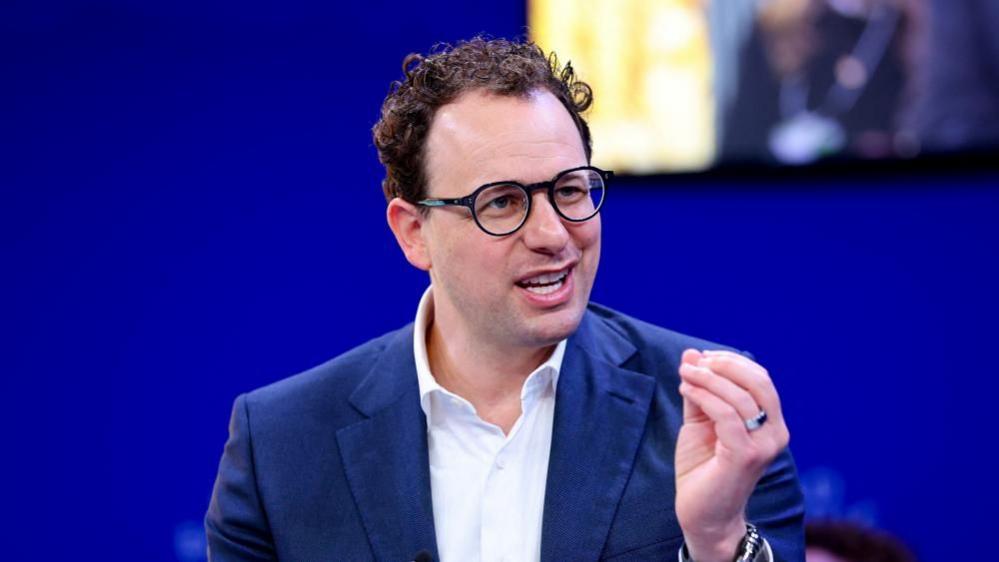
Leo’s document, comprised of over 42,000 words, exhorts all to be engaged in building the future of human society. The encyclical even cites technology companies, involving Anthropic co‑founder Christopher Olah as part of the papacy’s long‑term engagement with Silicon Valley. Critics say the pope’s decision to position his encyclical alongside a tech figure risks blurring the line between faith and corporate influence.
Revisiting Just‑War Doctrine
Leo directly addresses the doctrine of a “just war,” calling it outdated. He states, “Humanity possesses far more effective and capable tools for promoting human life and resolving conflicts, such as dialogue, diplomacy and forgiveness.” Critics say this signals a decisive change in Catholic teaching.
Hollywood, Baseball, and Public Engagement
In November, Leo hosted a “World of Cinema” day at the Vatican with actors such as Cate Blanchett and Spike Lee, who gifted him a custom New York Knicks jersey with the name “Pope Leo” on it. He spoke of art as a means to open up what is possible, contrasting it with algorithmic repetition. He also flaunted baseball references—he’s known to wear a Whitenot’s cap or pose with a bat—leading to the creation of memes about his modern worship style.
Shortly after the encyclical’s release, Catholic comedian Isabel Thurston posted a video on Instagram: “An aspect that made the video go viral was representing all Catholics—whether active, lapsed, or just interested—as celebrating the pope’s words.” The video has amassed more than 3 million views.
Robert Orsi notes that these events come at a crucial time for the Catholic Church, now facing scrutiny for its historical legacy of clergy sexual abuse. “A lot of people who left the church are saying, ‘Maybe the church does have something to say to the modern world,’” he explained.
}