In brief
India has temporarily blocked the Telegram app as the government worries the platform may be used by cheating rackets to help students exploit a leaked National Eligibility cum Entrance Test – Undergraduate (NEET‑UG) paper. The ban follows the May 2024 cancellation of the original test over allegations of a paper leak, and the exam is scheduled for re‑held on 21 June. While the National Testing Agency welcomed the restriction, rights groups argue it penalises ordinary users and fails to address deeper systemic problems. The Ministry has also disabled Telegram’s message‑editing feature and ordered the removal of a large number of suspect channels. The decision comes amid protests in India demanding reforms in the exam system and wider concerns about exam integrity.
India has temporarily blocked the popular instant‑messaging app Telegram after concerns that it could be used to facilitate cheating in an upcoming national medical entrance test.
The National Eligibility cum Entrance Test – Undergraduate (NEET‑UG), the gateway to India’s medical colleges, was cancelled in May 2024 when a paper leak was reported. The exam is now scheduled to be re‑held on 21 June, and the government has halted Telegram’s use in India to curb the “organised use” of the platform by cheating‑racket operators.
The National Testing Agency (NTA) welcomed the ban, arguing that it was prompted by the platform’s role in defrauding candidates. The Ministry of Electronics and Information Technology said Telegram will be restricted until 22 June, the day after the retest, and will disable message‑editing until 30 June to stop fabricated evidence of leaks.
Despite the ban, email accounts showed the app remained accessible for hours after the announcement, and the method of enforcement is still unclear. Critics argue the move is a temporary fix that punishes everyday users while ignoring the deeper systemic leak problems within the education and printing chain.
The Indian Cyber Crime Coordination Centre (I4C) has shut down numerous Telegram channels, groups and bots that promoted cheating, following data supplied by the NTA and other agencies. Operators of the channels reportedly demanded large sums from candidates in exchange for alleged access to exam papers—information that the agency claims does not exist outside the secure exam chain.
Digital‑rights advocates, led by the Internet Freedom Foundation (IFF), have called the ban “reactive and ineffective.” They argue that Telegram is a vital tool for study groups and doubt‑clearing during final exam preparation, and that a blanket restriction does not tackle the root cause of the leaks.
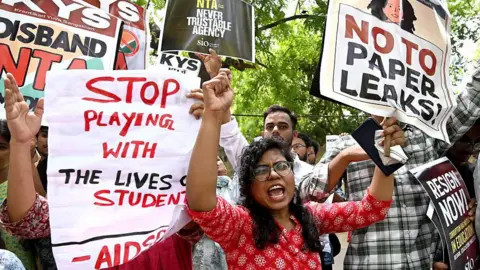
The NEET cancellation and related controversies, including concerns over marking in a key school‑leaving exam, have led to nationwide protests demanding reforms and, in some cases, the resignation of the federal education minister.
Key points of the ban:
- Telegram blocked until 22 June and message editing disabled until 30 June.
- I4C removed hundreds of cheating‑related channels and bots.
- Critics argue the measure punishes legitimate users and fails to stop insider leaks.
- The NEET-UG exam remains the most critical quiz for aspiring doctors.
- The ban highlights growing tensions between digital freedom and exam integrity.