Siberian Lab Worker Death Sparks Global Scrutiny of Pneumonic Plague Danger
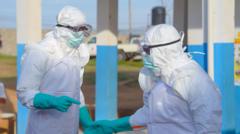
The World Health Organization last week urged Russian authorities to disclose more details after a laboratory worker in Siberia died under unclear circumstances.
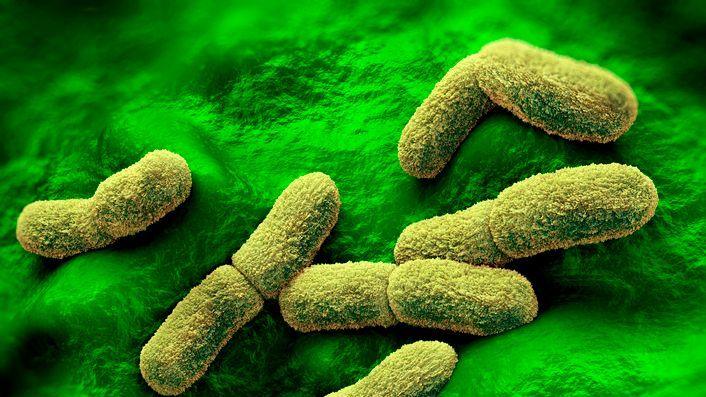
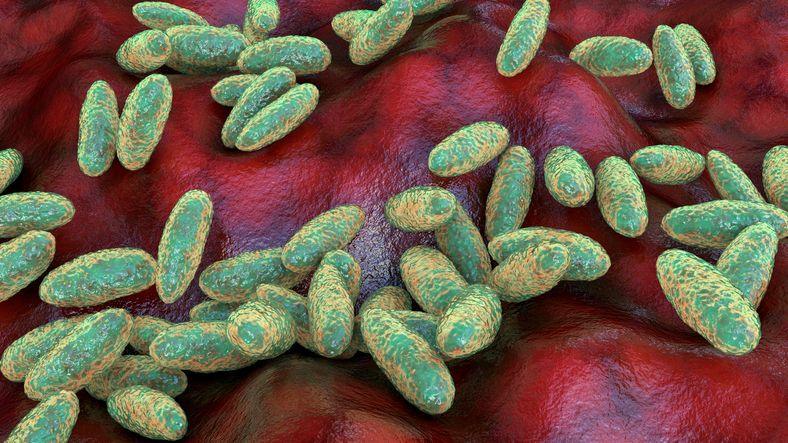
While early investigations confirmed that people who had contact with the researcher tested negative for the bacterium, the case has reignited concerns about the containment of Yersinia pestis – the causative agent of plague – in research settings.
What is Pneumonic Plague?
Pneumonic plague is the most lethal form of the disease, affecting the lungs and spreading through respiratory droplets. It can develop from bubonic or septicaemic plague, two other variants that primarily target lymph nodes or the bloodstream.
Symptoms include severe shortness of breath, chest pain and haemoptysis – coughing up blood. The worldwide burden of plague varies yearly, but estimates range from 1,000 to 3,000 total cases, most of which are bubonic, with sporadic pneumonic outbreaks in Asia, Africa, and the Americas.
How Does It Spread?
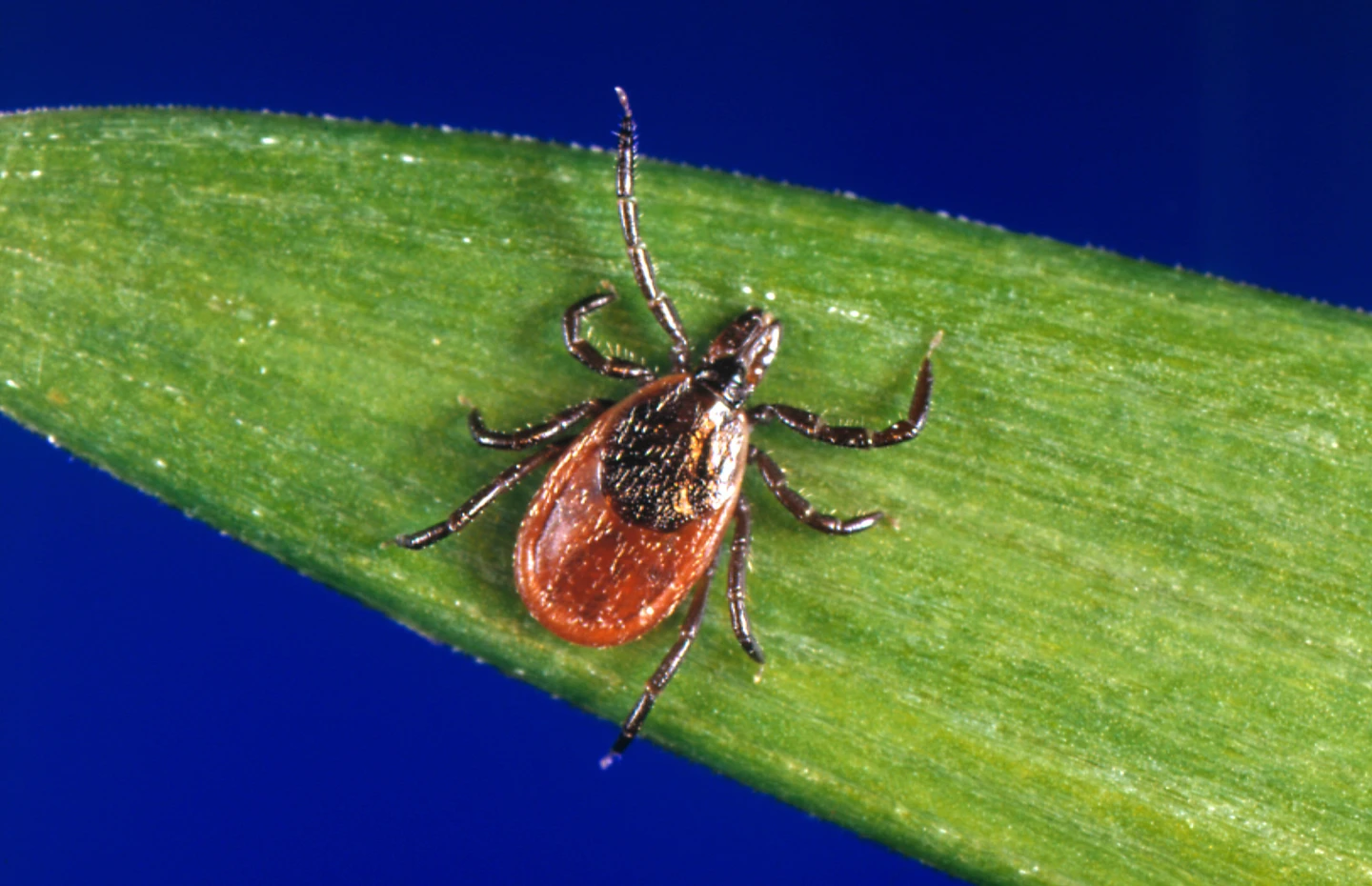
The disease is transmitted by flea bites that carry Y.%20pestis from small mammals, or by handling infected animals. Human-to-human spread occurs when droplets from an infected cough are inhaled, a route that requires close proximity.
With a short incubation period of about 24 hours, pneumonic plague can jump rapidly between people if not detected early. Historical records point to this form as the main driver of the 14th‑century Black Death.
Treatment and Public‑Health Preparedness
The World Health Organization stresses that prompt antibiotic therapy can drastically reduce mortality. Drugs such as streptomycin, gentamicin or doxycycline are effective once the diagnosis is confirmed, though impending resistance remains a threat.
In light of the Siberian incident, health authorities in the UK, US and Russia have called for more research infrastructure and post‑exposure prophylaxis in high‑risk environments. The American CDC reports no evidence of a widespread risk to the U.S. border, while the UK’s Health & Safety Authority labels the threat “very low”.
Scientists emphasize the necessity of maintaining laboratories that keep Y.%20pestis alive to develop diagnostics, vaccines and monitor antibiotic resistance, asserting that rigorous safety protocols are key to preventing future outbreaks.