Italy’s reputation as the cradle of the Mediterranean diet is fading in a glaring way: its children are now among the most overweight in Europe.
In Campania’s town of Ponticelli, more than 40% of eight‑year‑olds are overweight, and the village has gained a dark nickname as a "child obesity capital."
Salvatore, 17, weighs 170kg (26st 10lb). To illustrate the severity, he struggles to walk, cannot tie his shoelaces, and a Vespa scooter has broken its wheels an average of seven times a week because it can’t support his weight.
His mother, Anna says: "He eats constantly." For Salvatore and many others, the only visible treatment at the local Betania Hospital has been a GLP‑1 (glucagon‑like peptide‑1) injection to curb appetite, because the weight is too great for bariatric surgery.
Dr Sonja Chiappetta, the hospital’s senior bariatric surgeon, points out that the patient base has changed over the last 15 years. "Eight years ago we treated mostly adults in their fifties," she explains. "Now we’re seeing teenagers as young as 16, and the trend of earlier and more severe obesity is frightening."
Fast‑mimicking diets—extremely low calorie regimes scheduled every three months—have surfaced as a controversial policy response in Italy’s new law recognising obesity as a chronic disease. Researchers plan to recruit 300 adolescents who will cycle through five days of 1,100 or 770 calories, meant to trigger a metabolic reset. Dr Valter Longo, the law’s architect, believes fasting can extend life; critics, including paediatrician Roberto Berni Canani, warn of psychological risks and the prevalence of eating disorders.
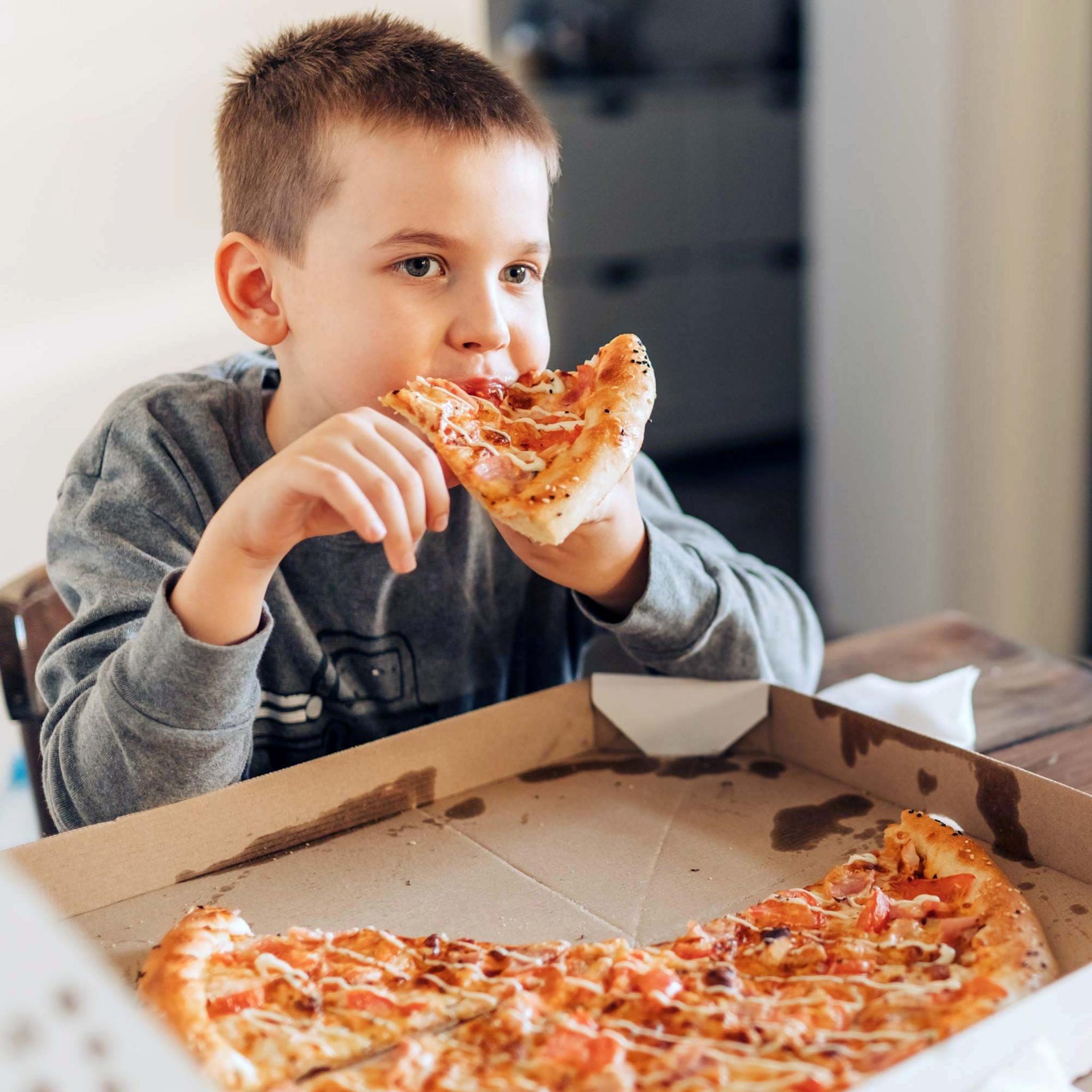
Industry and cultural factors compound the problem. In Naples and other cities, supermarkets showcase ultra‑processed snacks, while pizzerias stack traditional toppings with chips, sausages, and fried snacks. Dr Longo sums it up with the "five Ps’: pizza, pasta, potatoes, protein, and pane.
Schools are beginning to respond. Plans for 17,000 students across 25 schools involve nutrition workshops and family support. Teachers, such as Francesca Pecce, say they wish to expose parents to evidence of childhood overweight in their neighborhoods—yet many parents, influenced by cultural norms, view a plump child as healthy.
The crisis reflects a broader trend: the decline of traditional Mediterranean staples, the surge of processed foods, and a lack of structured physical education in historic school buildings. At it’s core, Italy’s child obesity epidemic highlights the fragile balance between diet, culture, and public health policy.