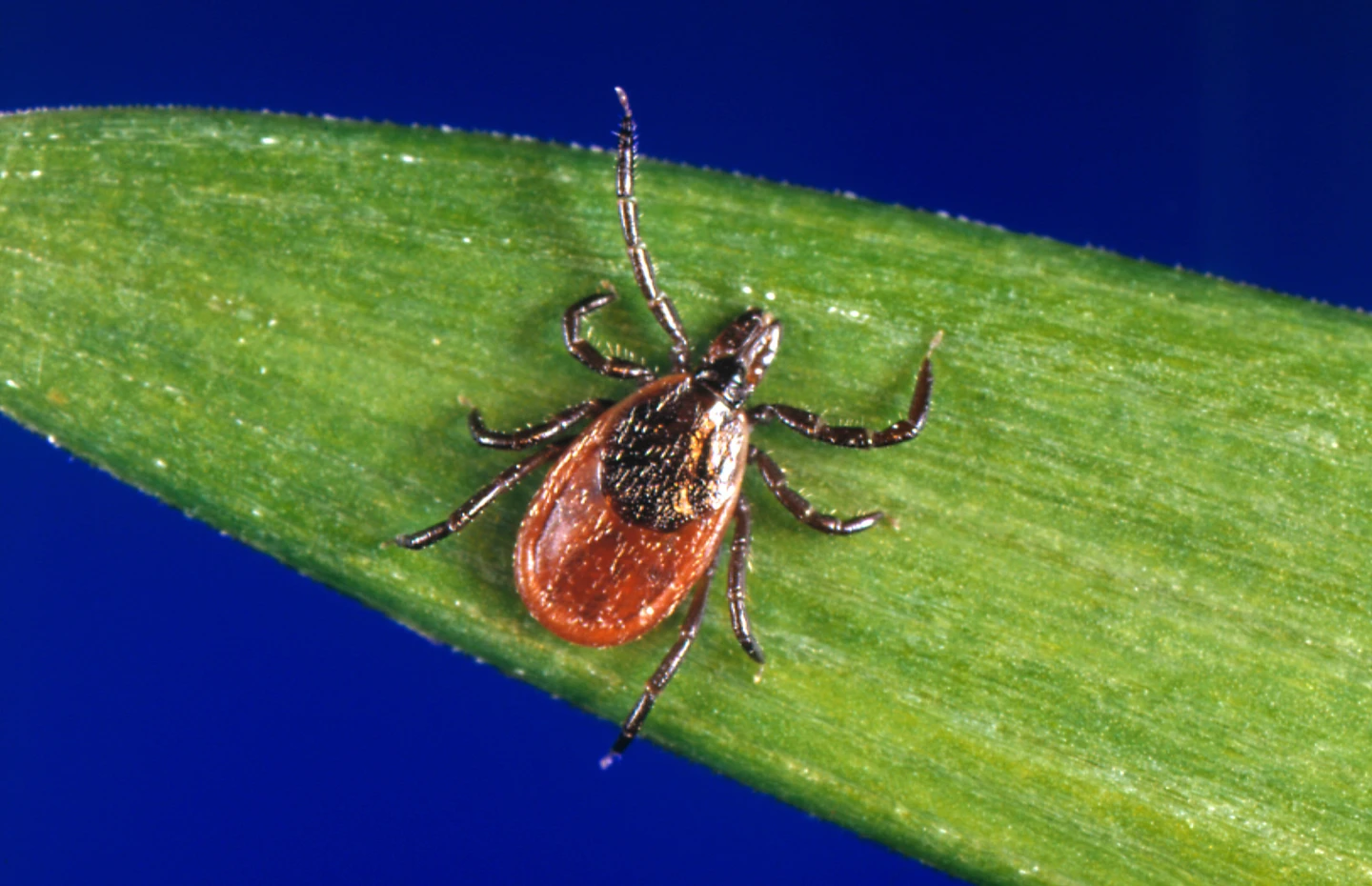
NEW YORK — The onset of tick season in the United States is alarming this year, with reports indicating an unusually high number of tick bites. Medical professionals are increasingly worried that the growing number of exposures could lead to a surge in tick-borne diseases like Lyme disease. Dr. Alina Filozov from Middlesex Hospital in Connecticut commented, If you have a lot of exposures, there will probably be more cases of tick-related infections.
The Centers for Disease Control and Prevention (CDC) issued an early warning to the public, emphasizing that action should not wait until the usual peak in May. Alison Hinckley, a CDC expert on Lyme disease stated, Ticks are out and people are getting bitten.
In terms of emergency visits, the CDC's tracking system revealed that hospital visits due to tick bites have reached their highest points for this time of year since 2017, excluding the south-central region of the U.S. While about 85% of hospitals report to this surveillance system, it may not fully reflect the total number of bites.
Ticks, small bloodsucking arachnids, can transmit several serious diseases, including Lyme disease and Rocky Mountain spotted fever. The emergence of juvenile ticks, or nymphs, makes the situation even more precarious, as these tiny parasites are often less detectable and can adhere to hosts for longer periods.
Connecticut, famously connected to Lyme disease's namesake town, is already seeing a troubling trend with residents submitting an average of 30 ticks daily for testing, revealing that 40% tested positive for Lyme disease bacteria.
Tick populations have been bolstered by environmental factors, including climate change, which fosters conditions favorable for ticks. Experts recommend individuals take precautions when outdoors, particularly in wooded and grassy areas where ticks are most active. Wearing light-colored clothing treated with the insecticide permethrin and using EPA-registered insect repellents can help mitigate risks.
In the face of this rising threat, everyone is urged to remain vigilant, knowing that immediate removal of ticks can significantly reduce the risk of infection. Follow these preventive measures to safeguard health as the warm season progresses.
The Centers for Disease Control and Prevention (CDC) issued an early warning to the public, emphasizing that action should not wait until the usual peak in May. Alison Hinckley, a CDC expert on Lyme disease stated, Ticks are out and people are getting bitten.
In terms of emergency visits, the CDC's tracking system revealed that hospital visits due to tick bites have reached their highest points for this time of year since 2017, excluding the south-central region of the U.S. While about 85% of hospitals report to this surveillance system, it may not fully reflect the total number of bites.
Ticks, small bloodsucking arachnids, can transmit several serious diseases, including Lyme disease and Rocky Mountain spotted fever. The emergence of juvenile ticks, or nymphs, makes the situation even more precarious, as these tiny parasites are often less detectable and can adhere to hosts for longer periods.
Connecticut, famously connected to Lyme disease's namesake town, is already seeing a troubling trend with residents submitting an average of 30 ticks daily for testing, revealing that 40% tested positive for Lyme disease bacteria.
Tick populations have been bolstered by environmental factors, including climate change, which fosters conditions favorable for ticks. Experts recommend individuals take precautions when outdoors, particularly in wooded and grassy areas where ticks are most active. Wearing light-colored clothing treated with the insecticide permethrin and using EPA-registered insect repellents can help mitigate risks.
In the face of this rising threat, everyone is urged to remain vigilant, knowing that immediate removal of ticks can significantly reduce the risk of infection. Follow these preventive measures to safeguard health as the warm season progresses.