Unraveling the Challenges of the Ebola Outbreak in the DRC
The ongoing Ebola outbreak in the Democratic Republic of Congo (DRC) has been deemed a public health emergency of international concern by the World Health Organization (WHO). This situation is particularly dire, involving a rare strain known as Bundibugyo for which there is currently no available vaccine.
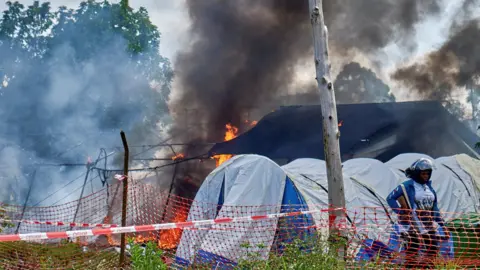
The challenges of managing this outbreak are multifaceted, primarily due to the complex sociopolitical landscape of the region, which is afflicted by ongoing conflicts. Health officials face a daunting task as they attempt to track and contain the virus amid significant logistical hurdles. Furthermore, the outbreak has been complicated by the relocation of over 250,000 people, which increases the risk of spreading the virus across already porous borders, notably into neighboring countries such as Uganda and Rwanda.
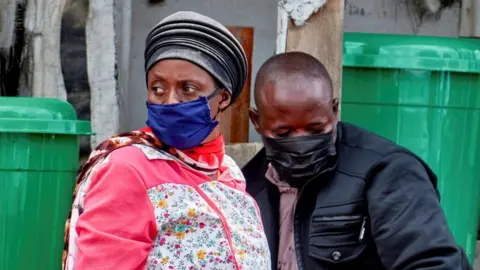
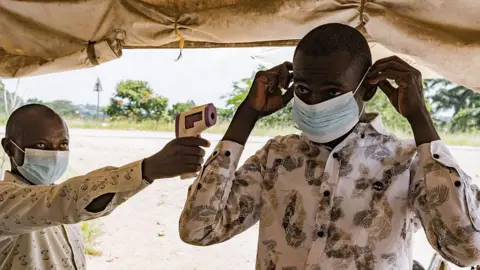
Ebola is transmitted through bodily fluids, and early symptoms can mimic flu-like conditions, making it crucial to identify and isolate cases quickly. An alarming concern is the misconception among some populations who may attribute Ebola infections to supernatural causes, leading them to seek alternative treatments in prayer centers rather than medical care.
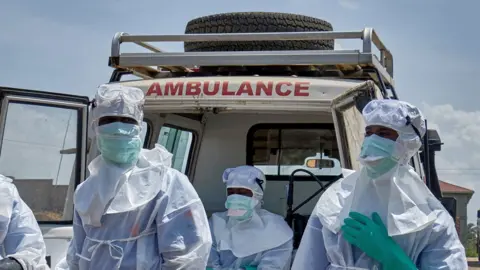
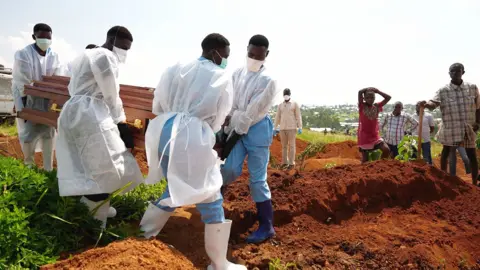
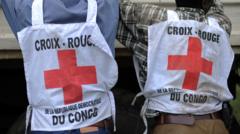
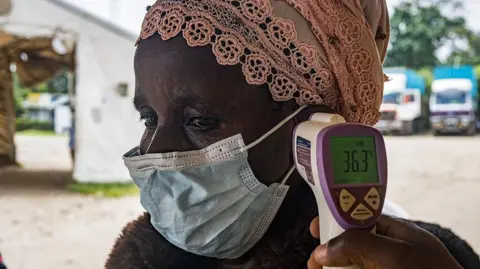
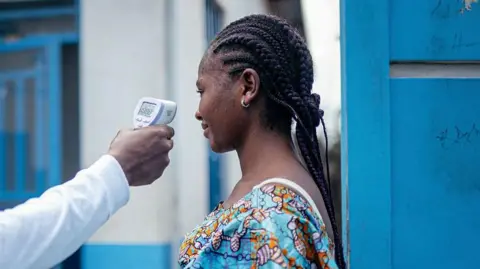
Health teams, including the WHO and Médecins Sans Frontières (MSF), are actively working in the affected regions, setting up treatment centers and implementing emergency response plans. A vital part of this effort involves educating communities on hygiene practices, the significance of reporting symptoms promptly, and discouraging actions that could lead to further transmission of the virus, such as contact with infected bodies.
The DRC's situation exemplifies the intricate relationship between public health and the ground realities of an area battling socio-political unrest and misinformation. An effective response requires not only medical interventions but also a concerted effort to engage communities in understanding the gravity of the health crisis they face.