Trump’s Executive Orders Target Birth Tourism and Reassert Birthright Citizenship
President Donald Trump has issued two executive orders aimed at ending the so‑called birth tourism in the United States and limiting the automatic citizenship of babies born on U.S. soil. The move follows a Supreme Court ruling that blocked an earlier attempt to rethink the 14th Amendment’s interpretation of birthright citizenship.
What the Executive Orders Do
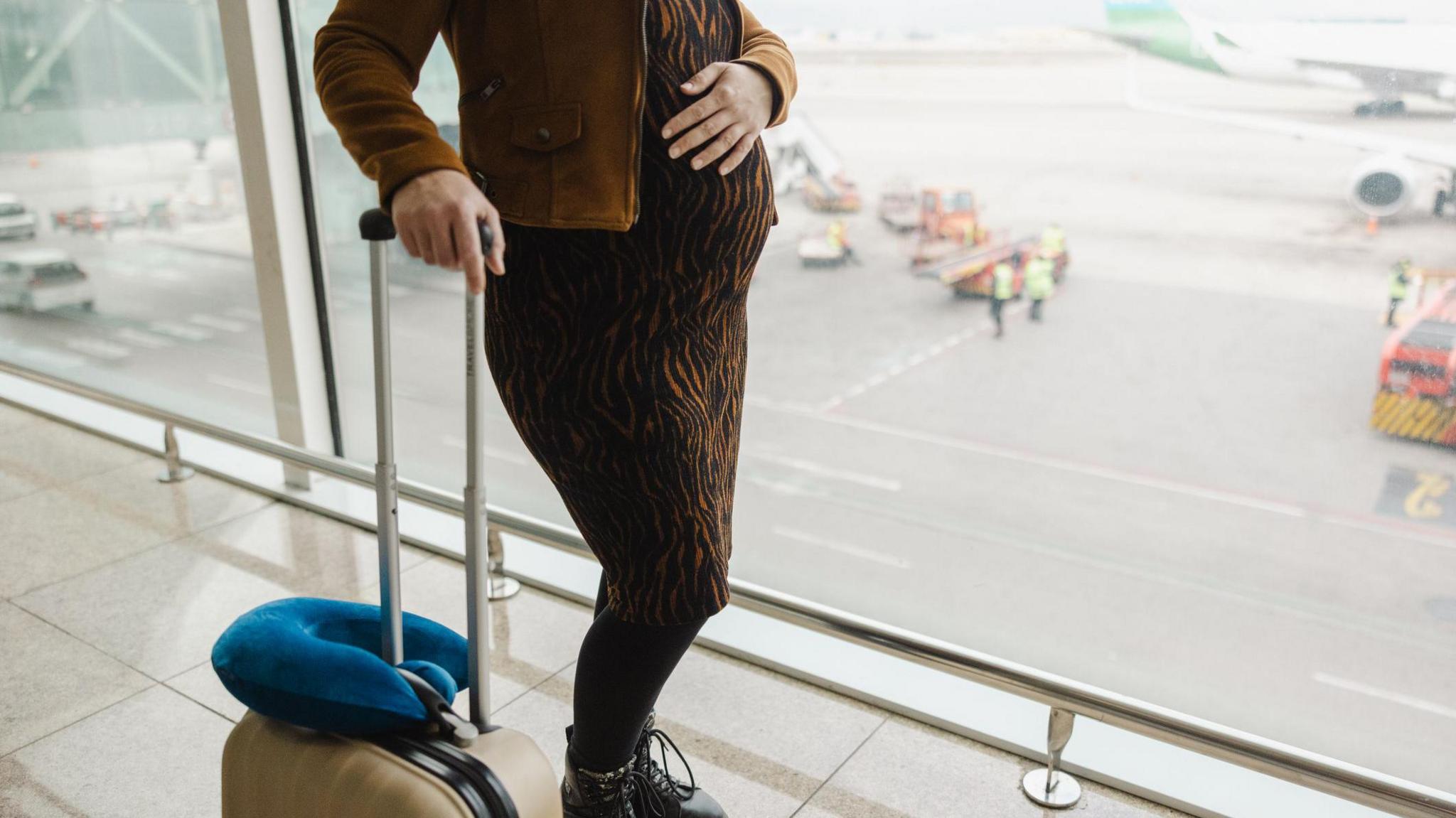
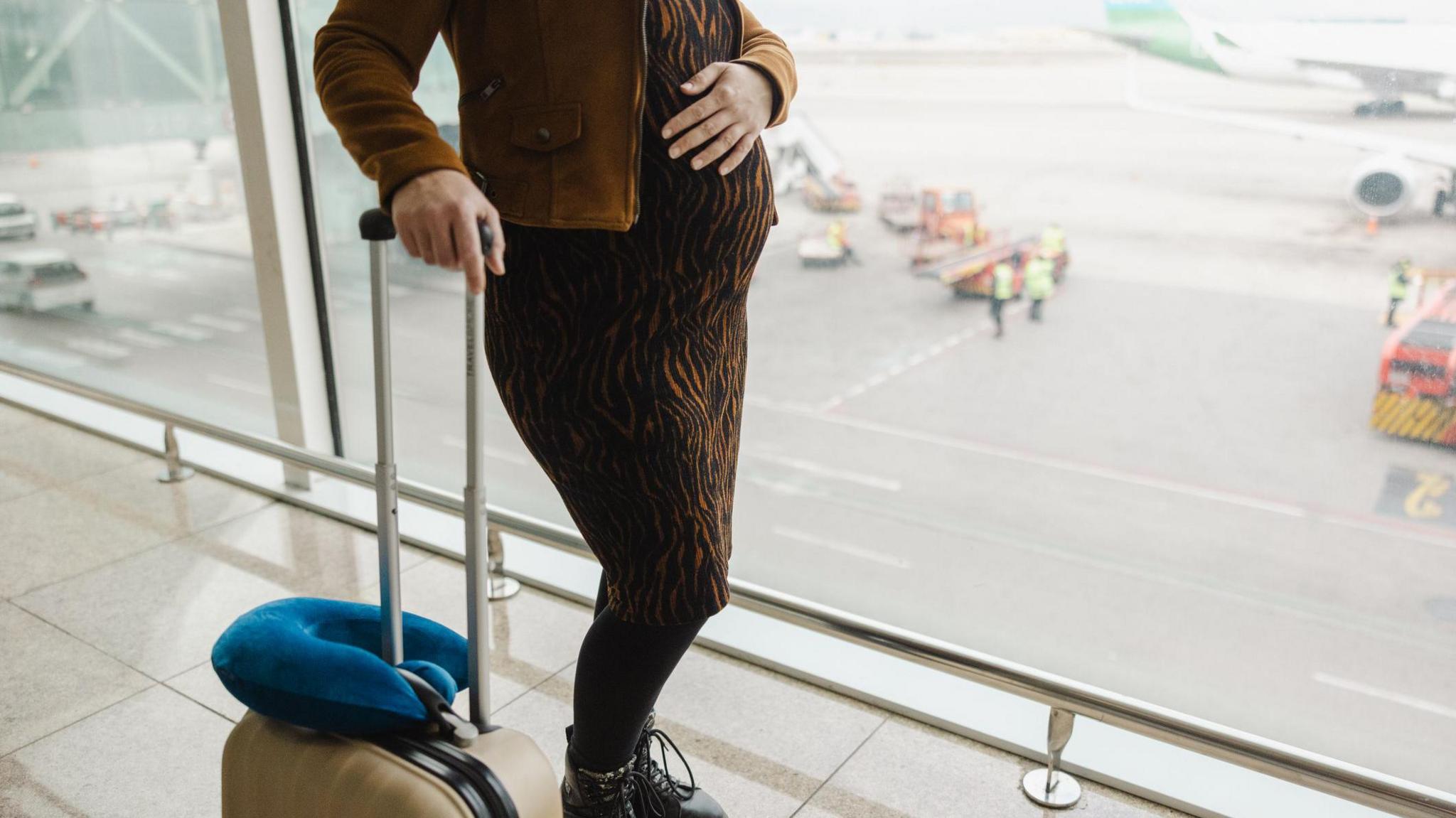
One order expands the list of parent categories that remove a child from automatic citizenship, adding foreign terrorist organization members, foreign government employees, fraudulent applicants and residents in U.S. territories that are not granted federal citizenship. The other order requires the Departments of State and Homeland Security to enhance regulations and enforce penalties against the birth‑tourism industry, which lures foreign nationals into the United States with promises of citizenship, public benefits and short‑term accommodation, often failing to deliver.
How Birthright Citizenship Works
Birthright citizenship, or “jus soli,” is enshrined in the 14th Amendment and historically granted citizenship to people born in America after the Civil War. Today, almost anyone born on U.S. soil receives citizenship, except in the rare cases of diplomatic immunity, foreign soldiers during wartime occupation, or those born in certain unincorporated territories. Residents of Puerto Rico, Guam and the U.S. Virgin Islands automatically acquire citizenship, but individuals born in American Samoa are classified as non‑citizen nationals.
How Many Birth Tourists Are in the US?
Trump’s claim that “hundreds of thousands” have been born through birth tourism lacks evidence. Official data from the Centers for Disease Control show that only 9,500 babies were born to foreign mothers in 2024, roughly 0.25 % of the 3.7 million total births. Migration Policy Institute research estimates that 20,000 to 26,000 births per year are likely connected to birth tourism, about 0.5‑0.7 % of all births.
Supreme Court Involvement
In April the Supreme Court heard arguments over birthright citizenship, with the Trump administration focusing on the birth‑tourism angle. Solicitor General D. John Sauer contended that the 14th Amendment was intended for post‑civil‑war America and that allowing foreigners to fully benefit from U.S. citizenship created unintended consequences. Chief Justice John Roberts and the court rejected that view, holding the Constitution remains unchanged.
Birthright Citizenship in Other Countries
Beyond the U.S. and Canada, many developing and Latin American nations grant birthright citizenship. Although more than 30 countries practice automatic jus soli, most restrict citizenship in at least one parent’s status, with the U.K. and Australia offering modified rules that require a citizen or permanent resident parent. The U.S. remains one of the only developed nations granting unrestricted citizenship, fueling continued policy debate.