In brief
BTS’s record‑breaking comeback tour has sparked an online ticket war that has left thousands of dedicated fans losing money to scammers. Users on social media and third‑party resale platforms reported losing hundreds and even thousands of dollars after paying in good faith for VIP seats. Authorities in Singapore, Malaysia and Thailand have issued warnings and are investigating “mule” accounts used by fraudsters. Ticketmaster claims it has implemented AI‑driven safeguards to protect future sales, yet fans’ desperation and rapid demand continue to drive the market. The incident highlights the urgent need for stronger regulatory measures in digital ticketing markets.
When Vevee first logged onto Ticketmaster on 9 June she thought her long‑standing wait to see K‑pop supergroup BTS was near its end. The band’s mammoth Arirang World Tour was set to perform in Jakarta, a city just outside her home. Hours of frantic online queue‑driving were still met with the bitter news that tickets had already been snapped up.
In a desperate bid, Vevee paid $1,200—about two months’ wages—to a reseller on X who promised four VIP seats. She was ghosted the moment the money was transferred, leaving her heartbroken and empty‑handed. Similar stories are emerging across Indonesia, Malaysia, the Philippines and Thailand, where more than $100,000 in fan — not all from one region — has been lost to scams.
The frenzy is so intense that fans have rented internet cafes and high‑speed phones for days, and some even travelled across cities to try different online connections. Juraluk Kunaruk, who filed a complaint in Bangkok for a Thai parliament, matched over 125 fellow victims who all transferred hundreds of dollars to the same X account before the tickets disappeared.
Authorities in Singapore have received 62 complaints since 1 June, with total losses exceeding S$68,000. Carousell, a leading e‑commerce platform, has banned all ticket resales until 22 December, the date of BTS’s final Singapore show. Malaysian police are tracing “mule” accounts, and Thai lawmakers have taken up the issue on the national stage.
Ticketmaster, overseeing sales in many markets, claims it has introduced AI‑driven tools to stop scalpers and bots. The platform says tickets will now be verified against concertgoers’ email addresses, and that resold tickets may be blocked on the day of the event. In a statement, Ticketmaster urged fans to purchase only through official outlets and reminded them that the artist’s website is a reliable source.
Despite official cautions, the stakes feel high for fan communities. One Philippine fan, Cookie, after paying for a supposed VIP package, was blocked on Facebook and never received her tickets, a loss that has left her reluctant to share her experience.
BTS’s tour, spanning 34 cities and slated to continue into 2027, is expected to earn nearly $2 billion from concerts, merchandise, licensing, album sales and streaming. Fans, however, show that the financial risks carry a heavy emotional toll, especially when years of wait and sacrifice are undermined by cybercrime.
For the dedicated Army, the hope remains that safer, more transparent systems will curb these scams and allow fans to enjoy the live experience without fear of falling prey to fraud.
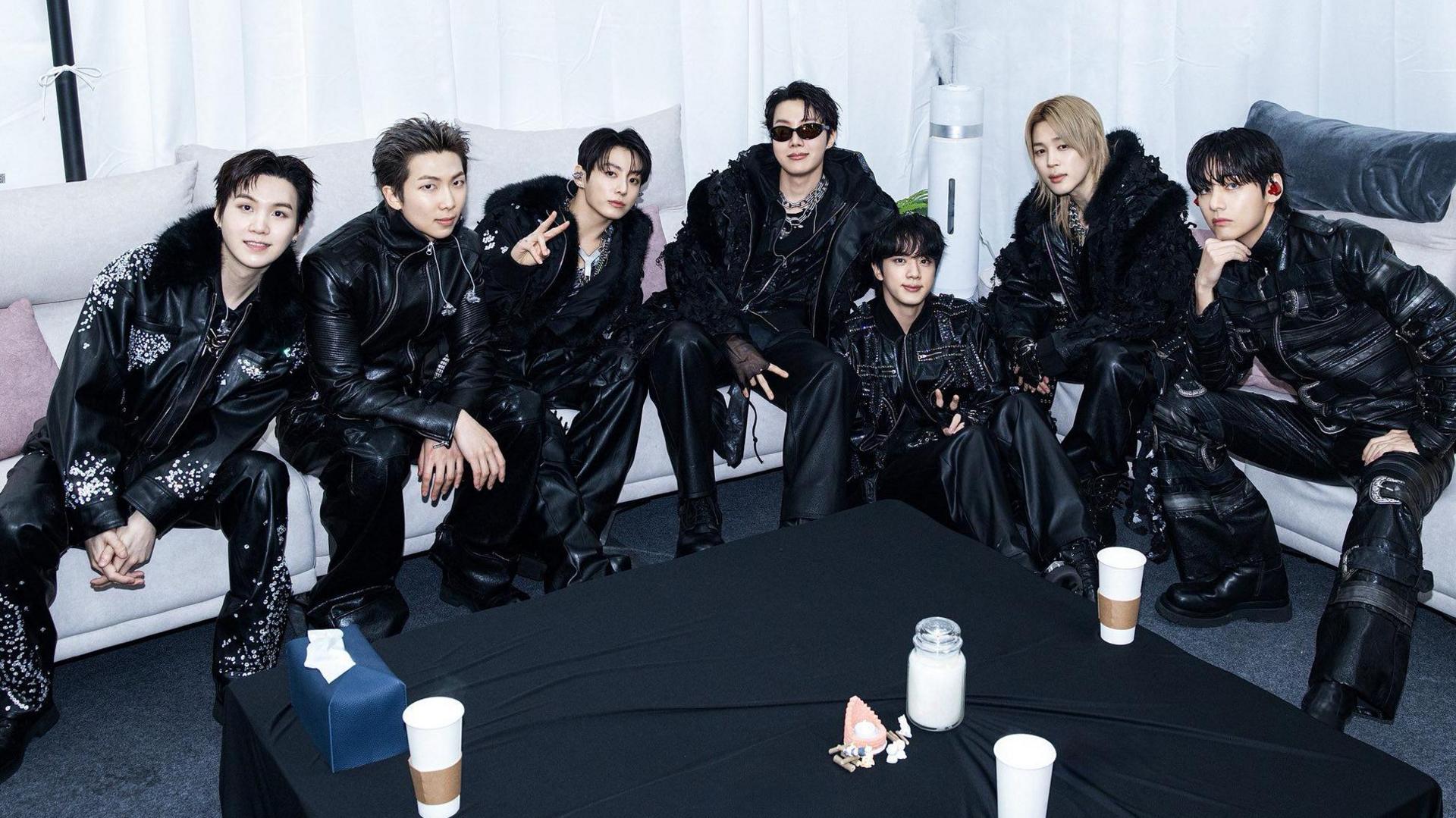
Image: The back‑lit faces of BTS in Jakarta (source: Big Hit Music)