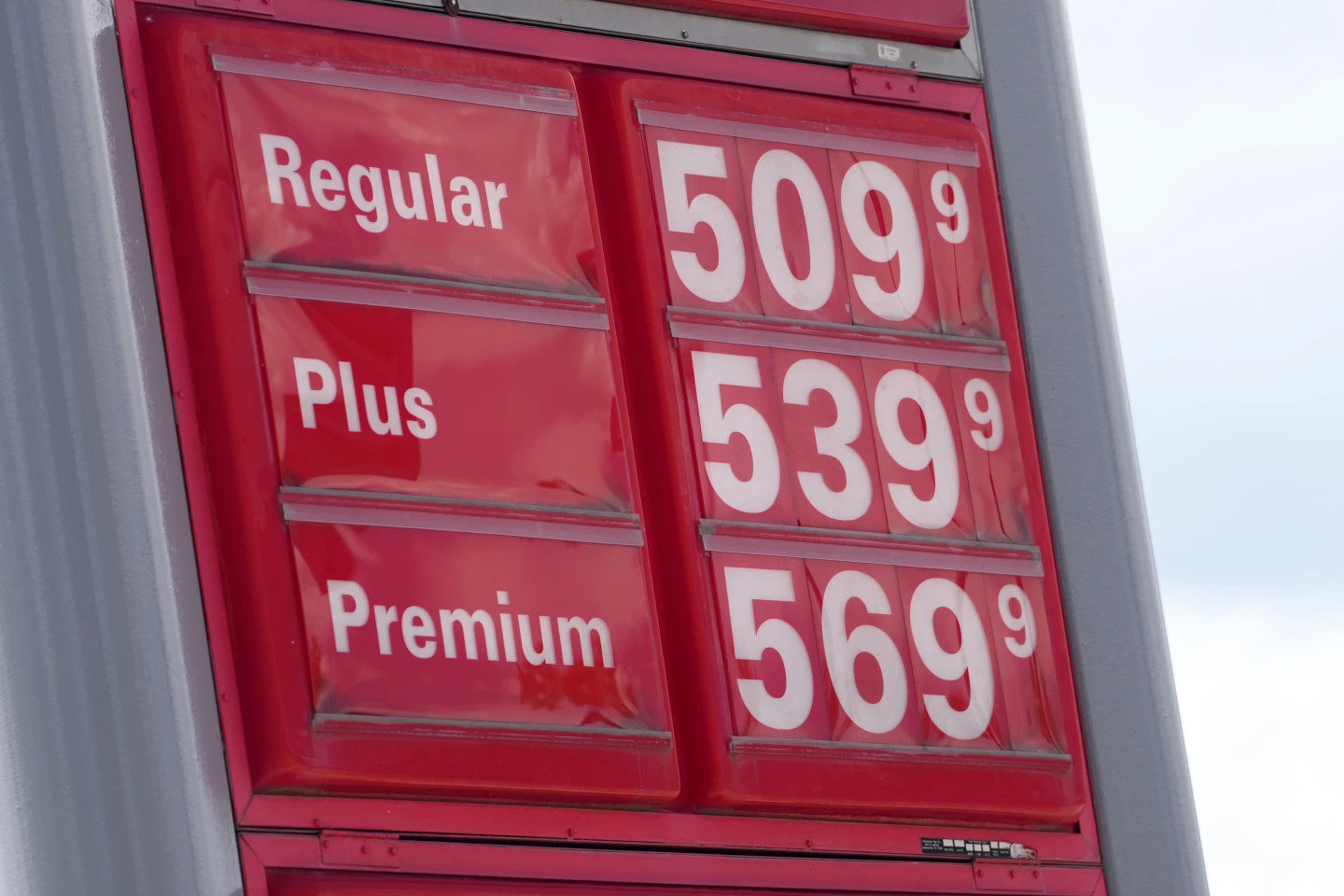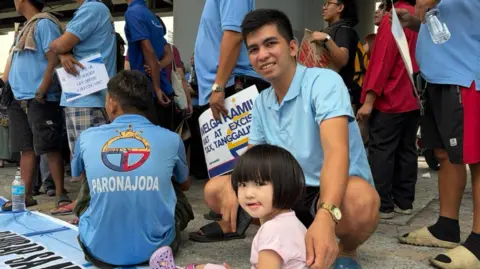
Hundreds of transport workers in the Philippines' capital Manila have gone on strike over rising fuel costs. Diesel and petrol prices have more than doubled since the Iran war broke out on 28 February - with the Philippines now in a state of national energy emergency.
One 62-year-old driver in Manila shared his desperation, stating he has no food to support his five children and has not received cash assistance from the government. As the two-day strike commenced, a vessel carrying over 700,000 barrels of Russian crude oil arrived in the country. President Ferdinand Marcos' spokeswoman confirmed the delivery, highlighting the government's struggle to secure stable oil supplies.
Marcos previously promised to seek new oil sources as the country relies heavily on the Strait of Hormuz for 98% of its requirements. Transport coalitions leading the strike have made extensive demands, including the elimination of fuel taxes and the reintroduction of price controls.
On the ground, groups of protesters expressed their frustration across various areas in the capital, advocating for better government support. Many participants included jeepney drivers—mini-bus operators known for providing affordable fares—along with ride-hailing drivers.
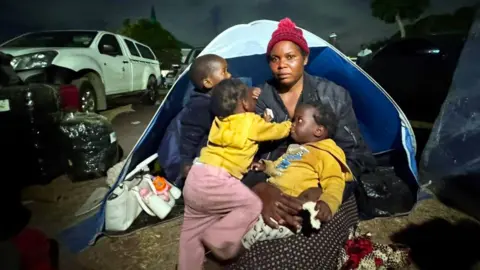
Amidst these developments, some transport workers lamented the absence of promised government aid, and fears of eviction loomed over many families.
The strike's impact is already felt among citizens in one of Asia's most congested cities, where delays in public transportation are common.
In response to the fuel crisis, the Philippine government has enacted an energy emergency state, allowing it to implement measures for energy stability.
Despite government efforts, criticism persists, especially from labor unions like the Kilusang Mayo Uno, which denounced the emergency declaration as an admission of governmental failures and raised concerns over clauses that could restrict the rights to strike.