On the plains of northwestern Iran, edged by snow-ribboned ridges, spring nudges almond trees into frothy bloom as a fragile ceasefire brings more traffic onto highways and more Iranians back to their homeland.
I stayed with my son in Turkey for a month, a grey-haired banker says, waiting at a Turkish crossing where a late winter's snow has plunged temperatures on the other side.
He noted, In my city in the north, the Israeli and American airstrikes mainly hit military targets, not homes and civilian infrastructure, summarizing five weeks of grievous war paused by a two-week truce ending soon.
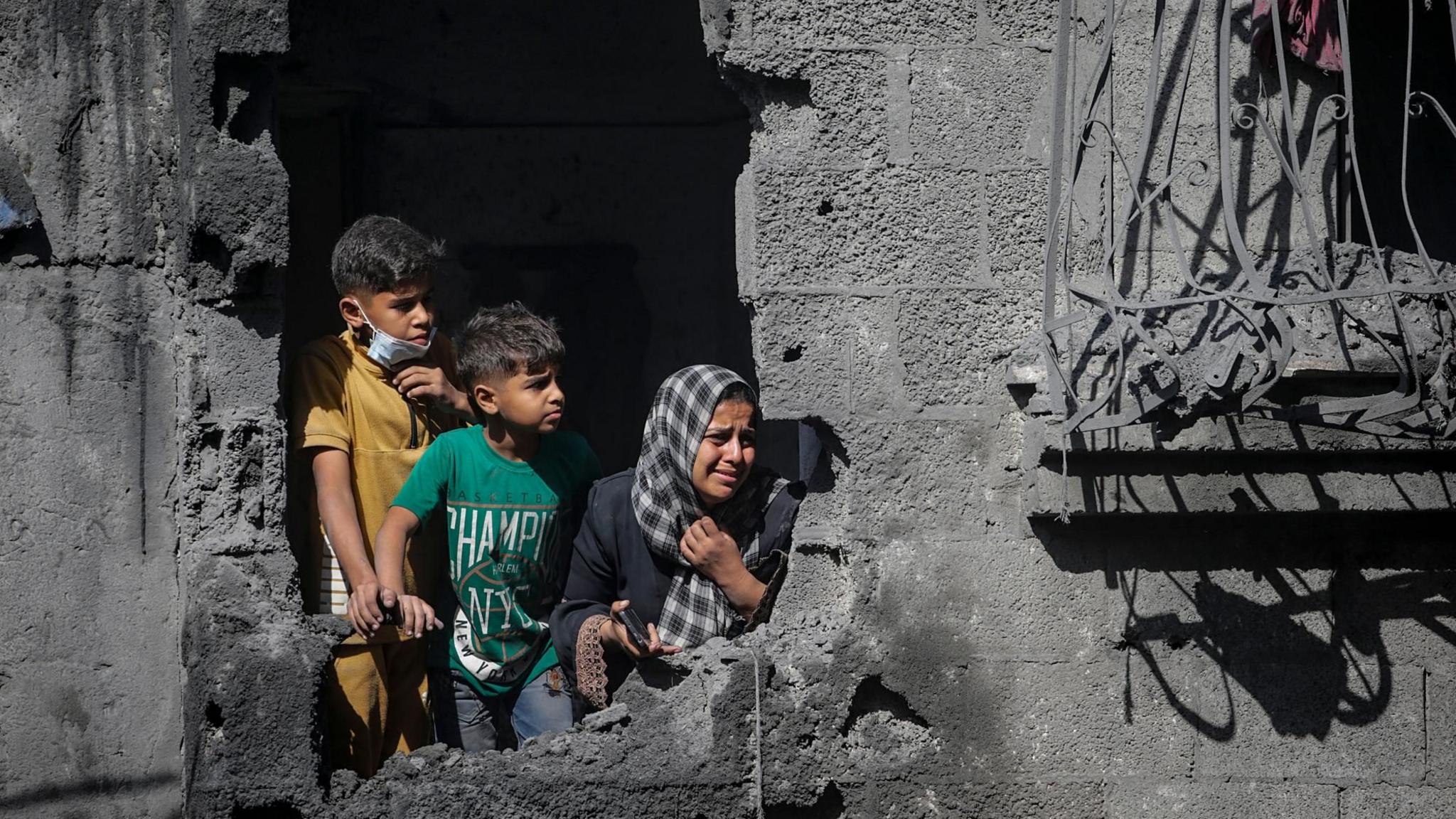
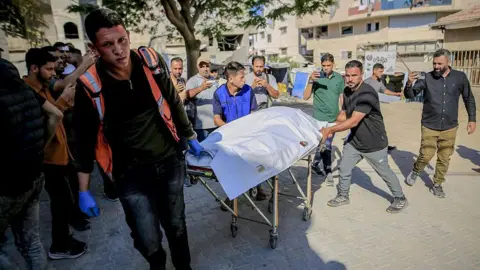
I'm a bit scared, an elderly woman in a headscarf confessed, her face lined with worry. She spoke mournfully of the suffering of young Iranians from shells crashing into crowded neighborhoods and threats from Iran's Basij paramilitary forces who prowl the streets.
It's all in God's hands, she murmured as she lifted her eyes upward.
Meanwhile, a young woman, dressed in a bright red puffer jacket, asserted, Of course, the ceasefire won't hold. Iran will never give up its control of the Strait of Hormuz.''
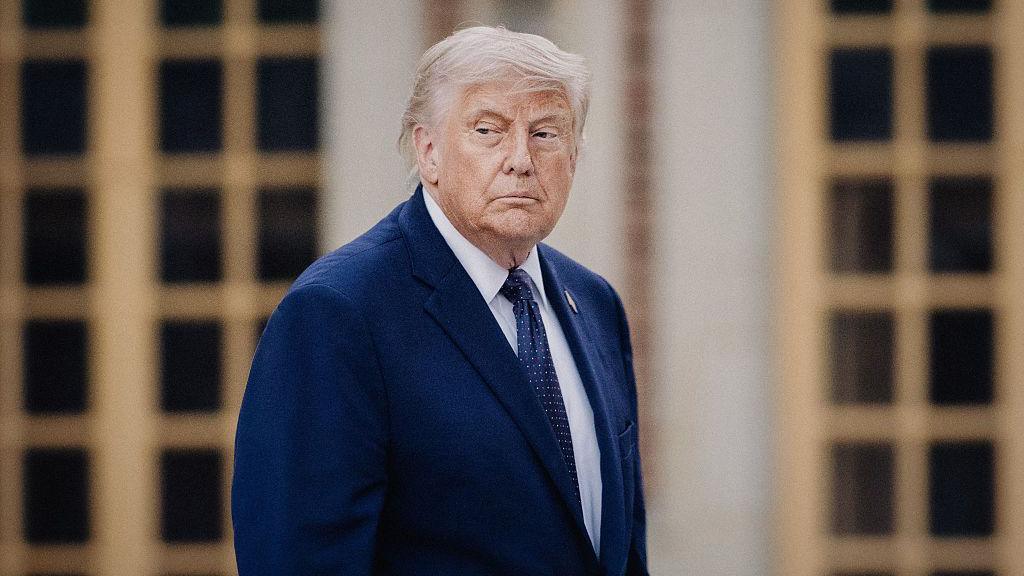
Crossing the border into Iran, another man reacted vehemently, exclaiming, Trump will never leave Iran alone; he wants to swallow us! as the tension loomed in conversations.
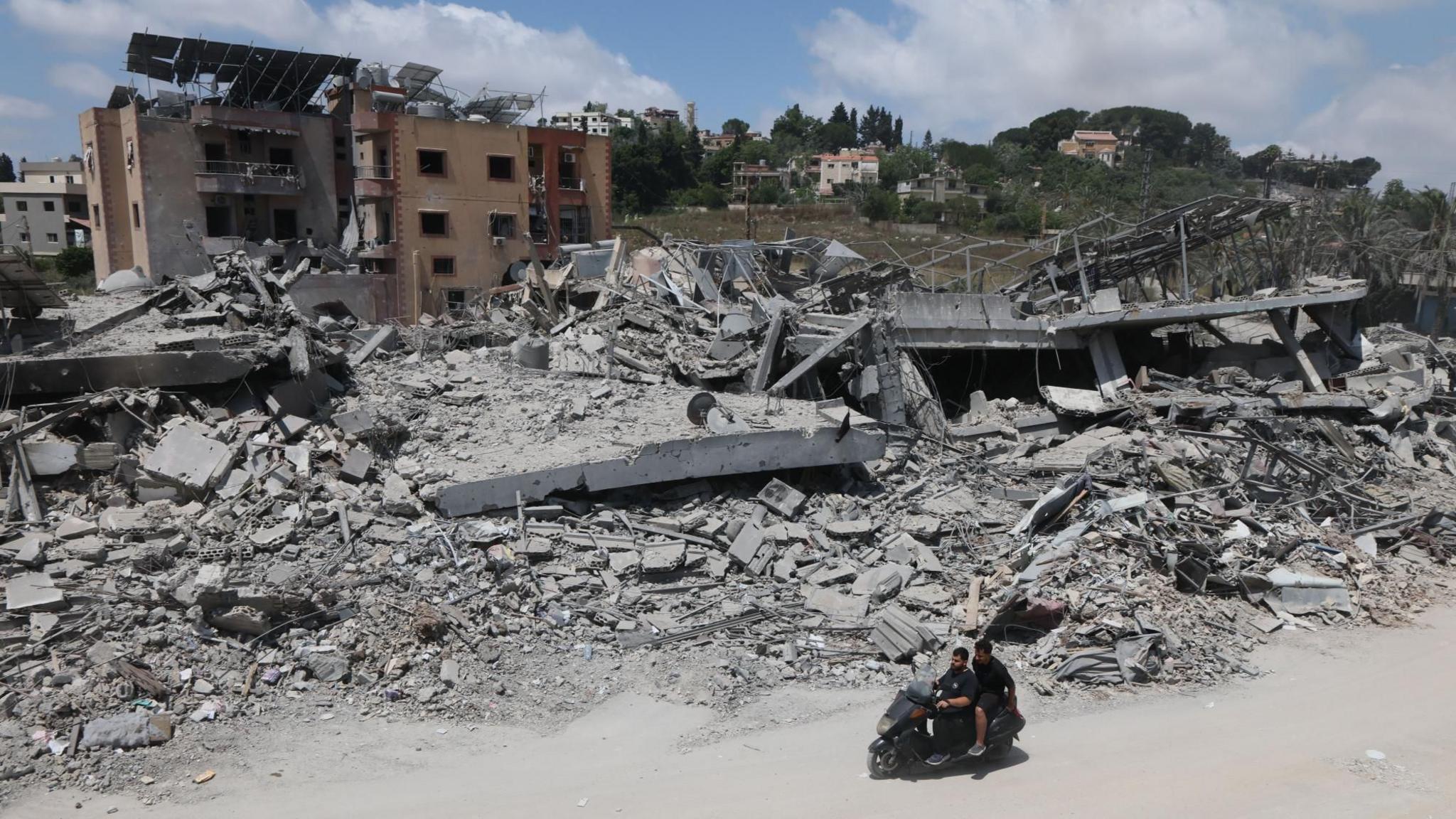
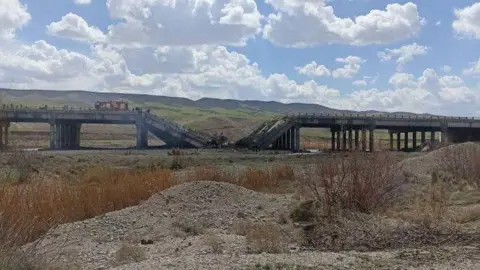
During the long drive to Tehran, following the closure of airports, the focus remained on the structural damages from missile attacks, such as a collapsed bridge in Zanjan, which halted the typical travel route.
Reports of violating international humanitarian laws through targeting of civilian infrastructures incited criticism; however, the US and Israel insisted on strictly targeting military infrastructures.
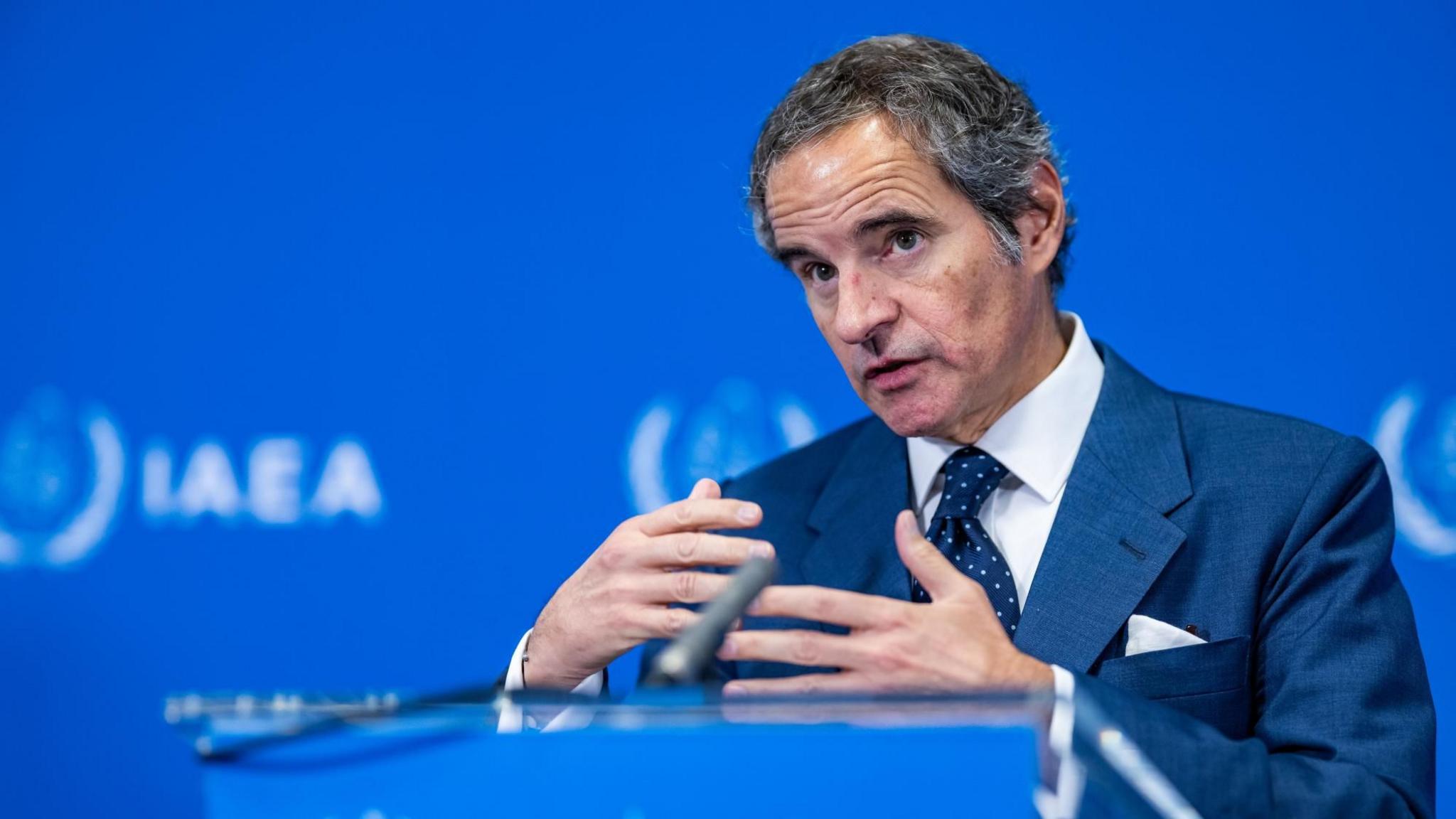
As discussions unfolded, US and Iranian officials engaged in intricate negotiations regarding nuclear improvements and sanctions, making it clear that diplomacy was not entirely off the table despite rising tensions.
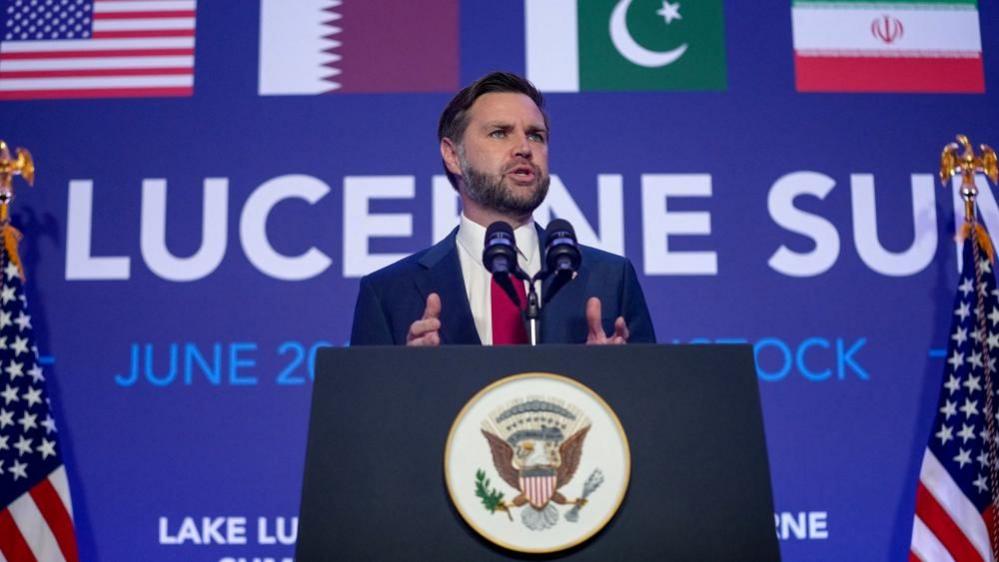
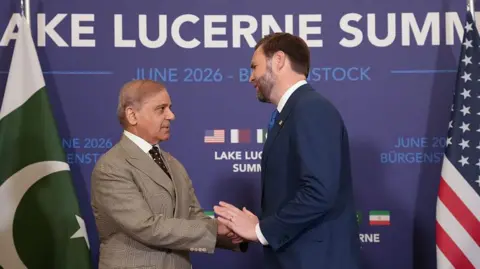
On Wednesday, a more comprehensive view of the negotiations was shared as the US delegation, led by Vice-President JD Vance, met with Iranian representatives, emphasizing the need for a resolution on mutual security concerns amidst the fragility of the current ceasefire situation.
As the situation evolves, with uncertainty hanging in the air, Iranians wonder if a future deal could ultimately alleviate the burdens placed upon them by the ongoing conflict.