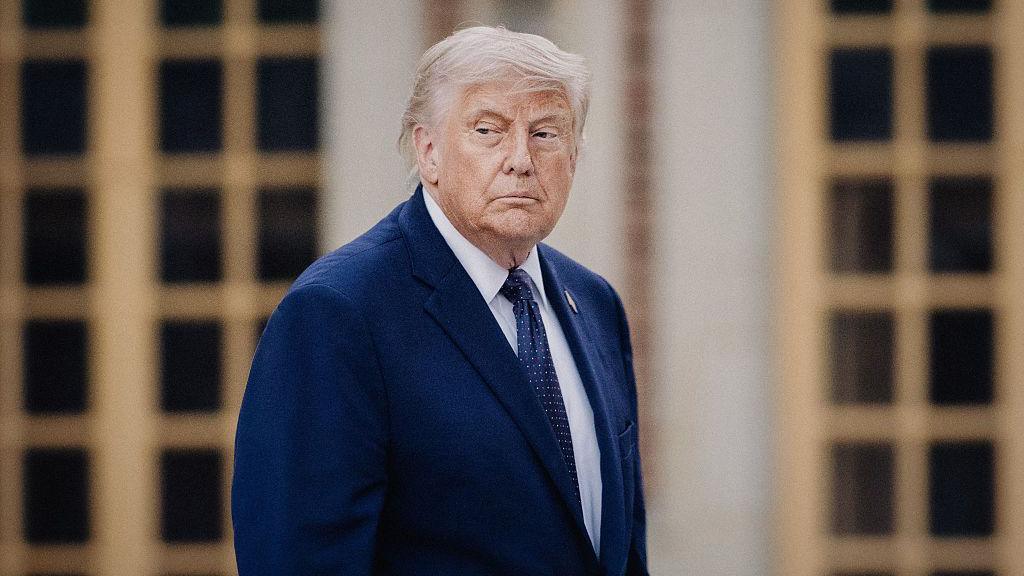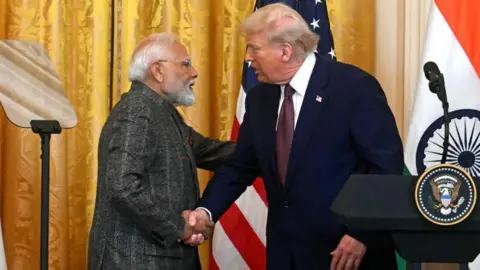
US President Donald Trump's recent decision to lower reciprocal tariffs on India from 50% to 18% has brought a sense of relief to Asia's third-largest economy, though many details of the agreement remain vague.
India faced the highest tariffs globally after Trump raised import duties on Indian goods to 50% last year, citing concerns over its purchase of discounted Russian oil. Following a call from Trump to India's Prime Minister Narendra Modi, it was claimed that Modi agreed to reduce Russian oil imports and increase purchases from the US.
While Modi thanked Trump for the announcement, emphasizing hopes for an enhanced US-India partnership, there remains skepticism about the specifics of the deal, particularly regarding the sectors and products involved.
The announcement comes amidst ongoing challenges in trade relations following the previous tariffs that significantly reduced Indian exports to the US, especially in vital sectors like textiles and seafood.
While industry leaders have welcomed the tariff reduction, they urge caution, noting that major questions about the deal's enforceability and product coverage remain unanswered. According to trade specialists, clarity and a formal joint statement are crucial before fully celebrating the agreement.
Despite the uncertainty, analysts suggest that the announcement holds potential geopolitical significance as India looks to reinforce its ties with the US amid shifting global relations with China and Russia.