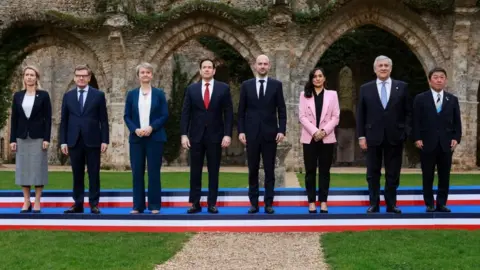
US Secretary of State Marco Rubio has joined a meeting of G7 foreign ministers in France for talks in which the US-Israeli war with Iran is the main focus.
Rubio is expected to face pressure to de-escalate the conflict as concerns continue to grow over its impact on the world economy.
The other G7 countries – the UK, Canada, France, Germany, Italy and Japan – are wary of being drawn in militarily. The group is also discussing the war in Ukraine.
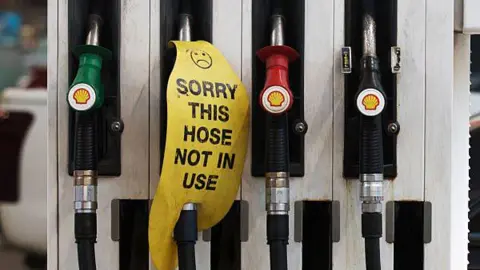
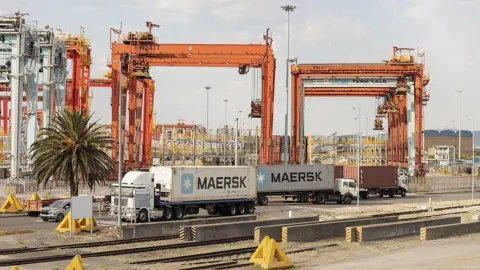
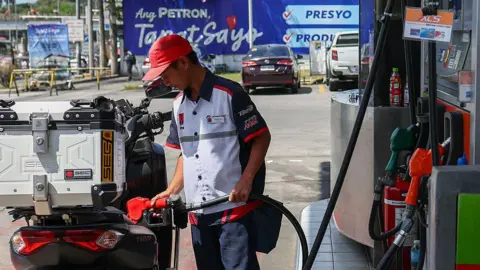
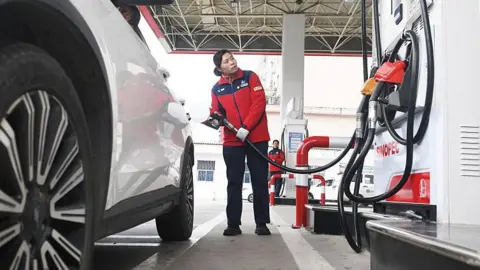
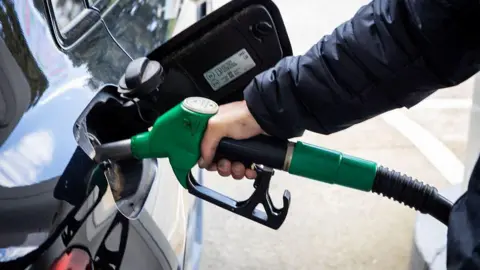
As he headed to France, Rubio said it was in the interest of G7 nations to step up and help restore shipping through the Strait of Hormuz, a vital waterway that Iran has effectively blockaded, causing fuel prices to soar.
I'm not there to make them happy, he told reporters. For all the countries who care about international law, they should be doing something about it.
UK Foreign Secretary Yvette Cooper emphasized the need for a quick resolution to restore regional stability, including addressing the situation in the Strait of Hormuz. The closure of this strait has severe ramifications, as it typically handles about 20% of the world's oil and liquefied natural gas.
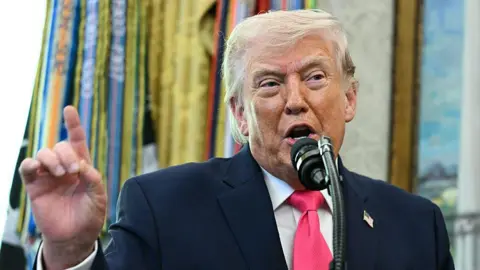
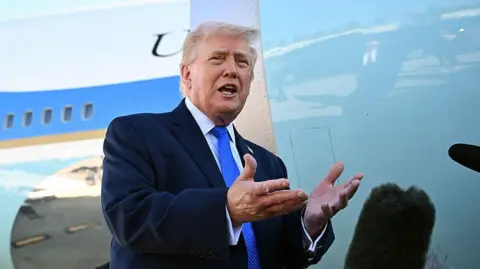
In response to the mounting criticism, US President Donald Trump reiterated allegations that NATO allies had failed to contribute effectively to resolving the Iran conflict. Some G7 members have refrained from deploying warships to protect maritime routes, arguing that a diplomatic solution is preferable for reopening the Strait of Hormuz.
Discussions around the G7 table have also touched on necessary measures to ensure the global energy supply is sustained amidst the crisis.
Rubio's visit to France is marked by increasing diplomatic complexities, as he seeks to align the G7's strategy while addressing pressures from multiple fronts, including the intertwined conflicts in Ukraine and Iran.