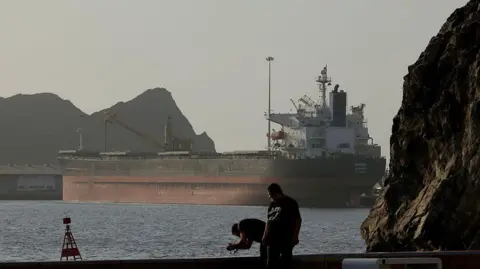
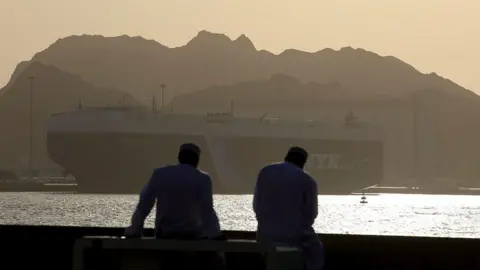
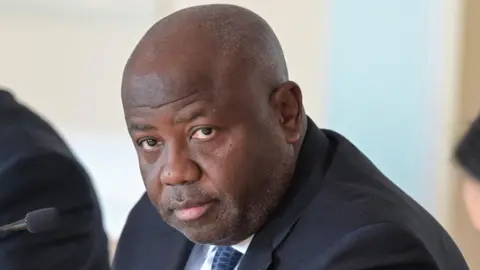
Philippine President Ferdinand Marcos says he is working to secure new sources of oil after he placed the country under a state of national energy emergency in response to the war in Iran. Marcos told Filipinos in a televised address that the government would procure one million barrels of oil to add to the current stock, which is good for 45 days. We will have a flow of oil. Not just one delivery, not two deliveries, but a flow of oil-related products, he said. The Philippines, which imports 98% of its oil from the Gulf, became the first country to declare an energy emergency after local diesel and petrol prices more than doubled since the war began on February 28. The US-Israel war with Iran and the effective closure of the Strait of Hormuz, a key shipping route, have sent shockwaves through global energy markets, causing shortages and price rises. Marcos stated that the emergency declaration would empower the government to impose measures to ensure energy stability and protect the broader economy. Philippine Ambassador to the US Jose Manuel Romualdez mentioned ongoing efforts with Washington to secure exemptions for importing oil from US-sanctioned countries. A committee was formed under Marcos’ order to oversee the distribution of essential goods and the government has been given the power to directly purchase fuel to enhance supplies. The emergency declaration will remain in place for one year unless lifted by the president. This announcement aligns with calls from several senators urging acknowledgment of the "emergency-level" hardship faced by families due to soaring oil prices. Transport workers and other groups are planning strikes to protest rising fuel costs and the perceived inaction of the government. In response to the crises, the government is exploring subsidies and alternative arrangements, such as increased reliance on coal-fired power plants to manage rising liquefied natural gas costs.
Philippines Faces Energy Crisis: President Marcos Vows to Secure Oil Supply
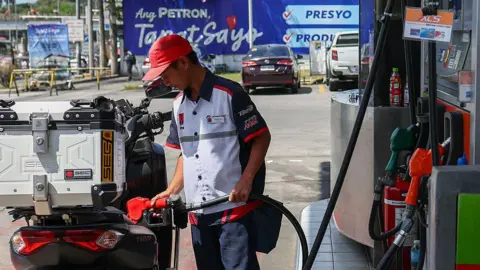
Philippines Faces Energy Crisis: President Marcos Vows to Secure Oil Supply
Amid rising oil prices due to the Iran war, President Ferdinand Marcos declares a national energy emergency in the Philippines, promising a steady flow of oil and measures to stabilize energy supply.
In response to skyrocketing oil prices exacerbated by the ongoing conflict in Iran, Philippine President Ferdinand Marcos has declared a national energy emergency and plans to procure additional oil supplies. The government's declaration aims to ensure energy stability as the country becomes increasingly reliant on imports, with many citizens expressing dissatisfaction over the rising fuel costs. This emergency status allows Manila to take necessary actions to protect the economy and public welfare.