Analyzing the Complex Landscape of the US-Iran Peace Talks
The dialogue surrounding US-Iran relations is riddled with misconceptions, as conflicting narratives from each government cloud the road to peace.
While US officials describe ongoing and fruitful negotiations aimed at concluding the war, Iranian representatives flatly deny any serious discussions, leading to confusion regarding the true state of affairs.
The dichotomy fuels speculation: are the wheels of peace truly in motion, or are both nations bracing for a prolonged conflict that could elevate global energy costs as summer approaches?
Indirect communications between the two—facilitated through intermediaries like Pakistan—suggest that while some information is being exchanged, it does not constitute official negotiations, a fact reiterated by military spokespeople in Iran.
Looking into the immediate circumstances, the deadlock resembles the situation seen in the Russia-Ukraine conflict, where both sides express desires to conclude hostilities but remain far apart in terms of acceptable conditions.
What the US and Israel Want
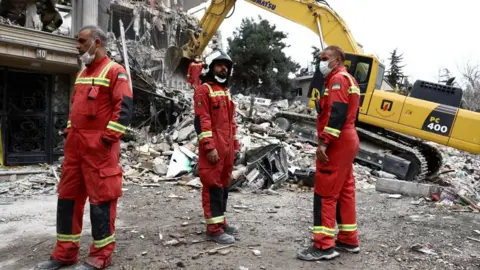
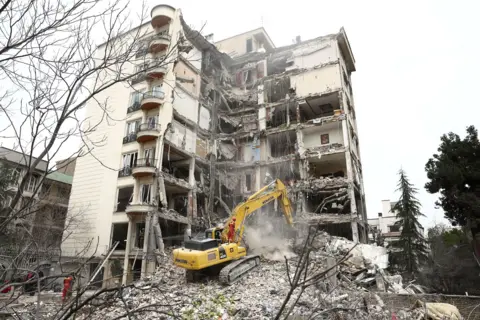
From the outset of hostilities on February 28, Washington and Tel Aviv anticipated that their military strength could rapidly dismantle the Iranian government. The failure of this outcome has led to growing concerns; Tehran's resilience appears to strengthen its bargaining power.
Currently proposed frameworks, such as a 15-point plan reported by Israeli networks, demand that Iran cease its nuclear and missile programs and stop supporting militias in regions like Yemen and Lebanon, offering sanctions relief in return.
What Iran Wants
Iran has categorically rejected the aforementioned proposals, describing them as excessive. Instead, they seek reparations, recognition of authority over the Strait of Hormuz, and guarantees against further military actions by the US.
The country perceives itself as the regional anchor, asserting a right to reclaim its historical position as 'policeman of the Gulf,' a title it held prior to the 1979 Islamic Revolution.
What the Gulf Arab States Want
The Gulf states, initially apprehensive yet resigned to the Iranian regime, find themselves caught in a precarious situation. Following failed US military interventions, they are witnessing a more powerful Iran assert control over the Gulf's strategic waterways.
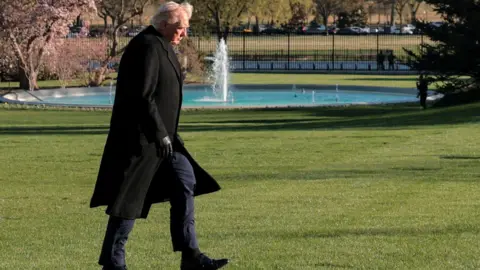
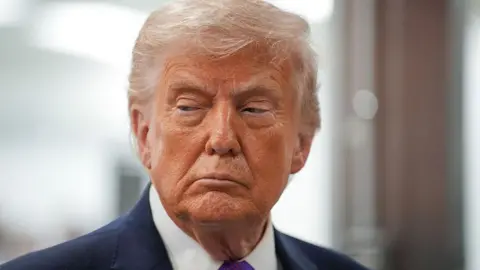
This newfound leverage allows Iran to potentially disrupt global energy supplies, complicating the situation for US President Donald Trump, who faces internal and external pressures to respond effectively to the challenge.
As tensions rise, the Gulf Arab nations yearn for a return to the status quo yet confront the stark reality of Iranian defiance in peace negotiations.