Mamadi Doumbouya: Guinea's Journey From Military Rule to Civilian Leadership
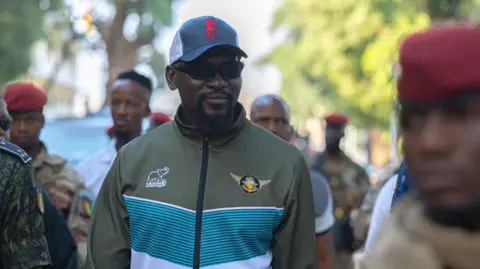
After four years of military rule, Guinea's junta leader Mamadi Doumbouya is set to be sworn in as the nation's elected president on Saturday. Doumbouya, who initially rose to power in September 2021, is transitioning from military attire to a more civilian-friendly image, aiming to distance himself from the coup that brought him to power.
The 41-year-old former colonel garnered an impressive 87% of the vote in a recent election marred by allegations of fraud and suppression of opposition parties. As Doumbouya dons tracksuits and boubous—traditional Guinean attire—he seeks to present himself as a leader engaged with the citizenry.
However, his presidency is overshadowed by skepticism about his democratic credentials. Critics point to the banning of political parties and the mysterious disappearances of activists. Human rights advocates have raised alarms about media censorship and the unsettling whereabouts of missing journalists.
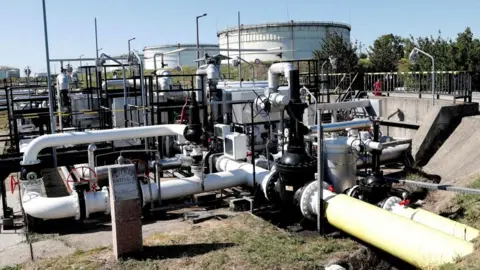
The path ahead for Doumbouya will be defined not only by his governance style but also by the management of Guinea's vast bauxite and potential iron-ore mining resources. His government's focus on resource nationalism is designed to emphasize the country’s sovereignty and the need for domestic investments that can alleviate poverty and bolster the economy.
Amidst the challenges, Doumbouya's government is also faced with international scrutiny, especially as he aims for a pragmatic diplomatic approach without alienating potential partners.
As he prepares for his inauguration, Doumbouya emphasizes unity and the aspiration for improved living standards for the Guinean populace, which may ultimately dictate the success of his leadership.