In brief
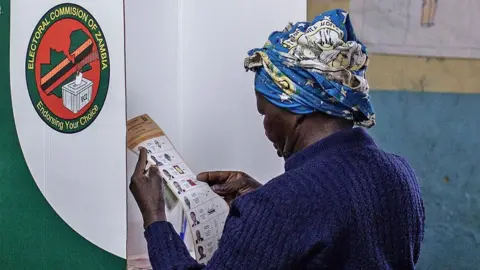
In Zambia, a senior government official disclosed that some political parties are demanding sexual favors from female candidates in exchange for nominations ahead of the August elections. This troubling pattern highlights the deep-rooted gender imbalances in the Zambian political landscape, where only about 15% of MPs are women. Calls have been made for victims to report such instances and for stricter laws to combat sexual harassment in political processes.
A senior Zambian government official has stated that some political parties were soliciting sexual favors from prospective female candidates as a condition for selection ahead of the general election scheduled for August. Mainga Kabika, head of the gender division in the president's office, urged all aspiring female candidates to document such incidents. Although Kabika did not disclose the names of the political parties involved, she confirmed receiving numerous reports from women regarding this issue.Zambia faces significant gender disparities in politics, with women occupying only about 15% of parliamentary seats. The presidency has acknowledged that cultural and structural barriers continue to limit women's representation in leadership roles. Kabika shared her experience of receiving numerous messages from women reporting coercion for sexual favors in exchange for political nominations. She described the situation as unacceptable and disheartening, as it deters many women from participating in politics.Beauty Katebe, chair of the board of the Non-Governmental Gender Organisations Coordinating Council, echoed these sentiments, labeling the situation as 'sextortion.' Katebe encouraged women who encounter such predicaments to report them, despite the cultural biases and stigma associated with these experiences. She called for stronger legal frameworks to address sexual harassment in political contexts and suggested the establishment of a fast-track court system to expedite handling these cases. The broader context reflects ongoing patriarchal tendencies within political structures, continuing to inhibit women's full participation.While there have been some advancements in gender representation, including notable female appointments, Zambia's leadership still has a long way to go, as evidenced by the low representation of women in civil service and state-owned enterprises. The upcoming elections will see Zambians voting for their next president, parliamentarians, and local officials, all while grappling with these critical gender issues.