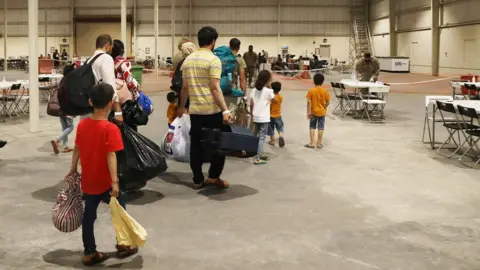
For 18 months, Afghan evacuees like Alia have been waiting in a transit camp in Qatar for resettlement to the U.S., a route that now appears closed.
Returning home is dangerous, and Alia expresses feelings of betrayal by the U.S. government which had promised safety after their evacuation. Currently at Camp As-Sayliyah in Doha, Alia and over 1,100 evacuees face an uncertain fate, as recent decisions by the Trump administration to close the camp complicate their prospects.
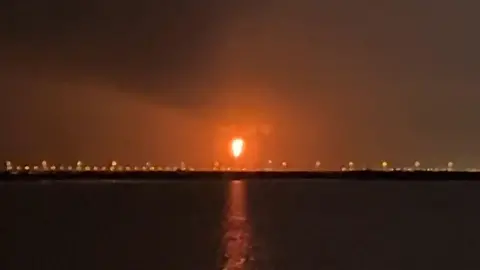
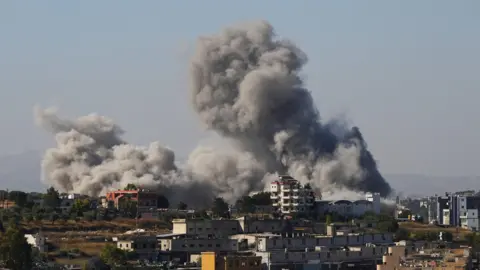
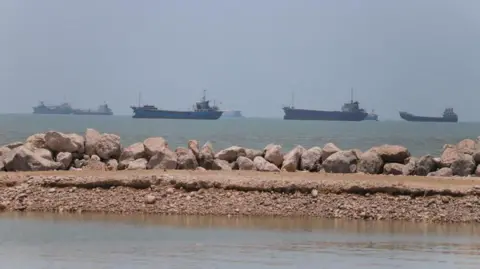
The evacuees find themselves increasingly anxious with Iranian attacks around them and the recent announcement that U.S. will no longer offer resettlement options. In their plea for help, they have reached out to President Trump, stating that the dangerous situation requires urgent intervention.
Despite initial assurances, many like Alia feel abandoned by the U.S. government. As they wait for a solution, the emotional toll on families—especially children and the elderly—becomes increasingly heavy, with many expressing that they feel like they are facing a 'slow death' in limbo.
With the U.S. State Department currently in discussions with potential third countries for resettlement, there is skepticism about prospects and the truthfulness of the promises made. The evacuees such as Alia continue to urge for alternatives to ensure their safety and well-being.
As the situation deteriorates, advocates argue that these individuals, who once supported the U.S. mission in Afghanistan, deserve trust and a right to resettle in safety—an obligation they believe the U.S. government must uphold.