CHICAGO — Voters in Illinois are bracing for an impactful primary day that could usher in a new generation of leadership for the state’s Democratic congressional delegation. With six open U.S. House and Senate seats on the ballot, the stakes are high as major candidates vie for positions previously held by long-time incumbents.
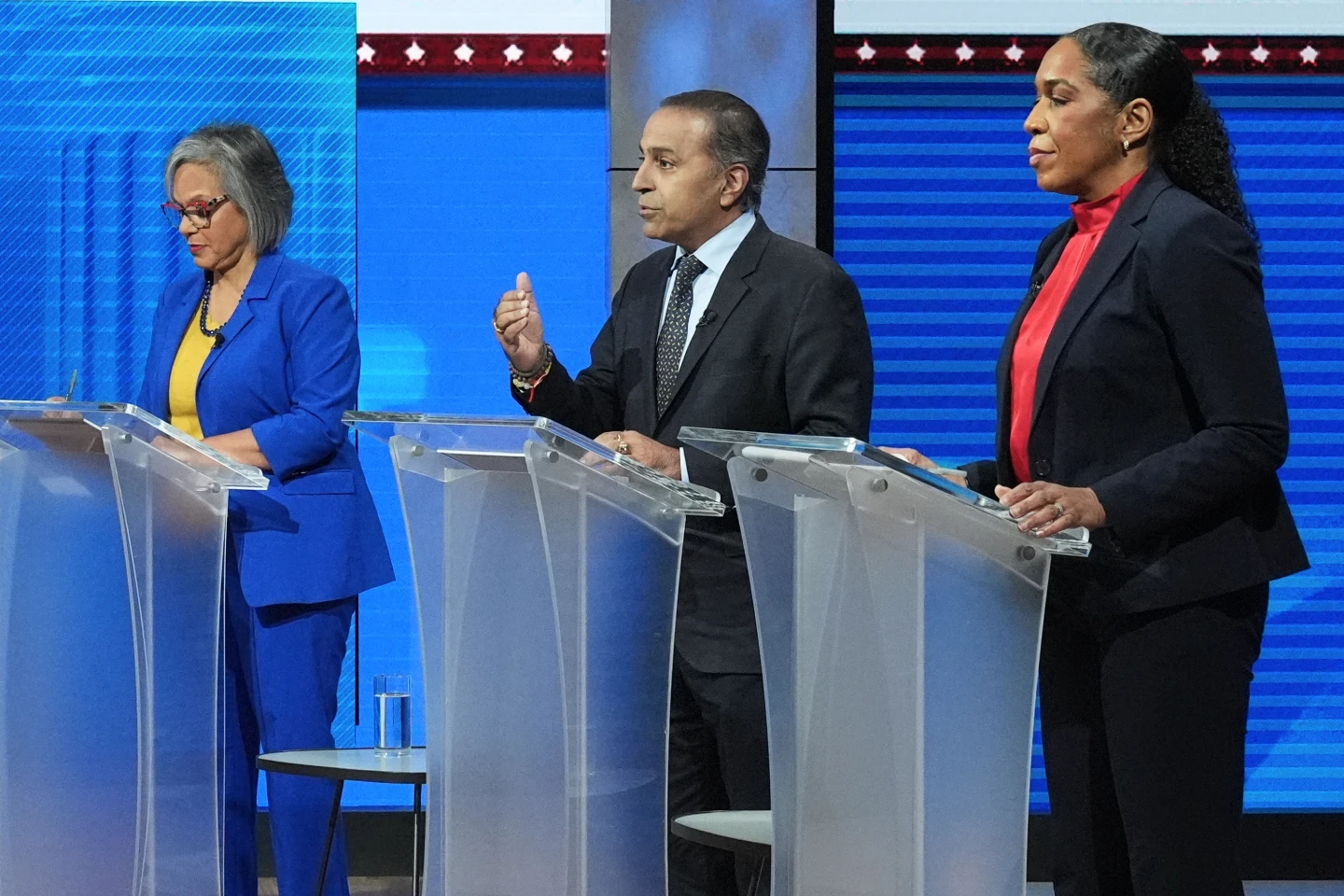
The retirement of Senator Dick Durbin, a prominent Democratic figure, has initiated intense competition, showcasing political heavyweights such as U.S. Representatives Raja Krishnamoorthi and Robin Kelly, along with Lieutenant Governor Juliana Stratton. Each candidate is bringing their own strategies into play with aggressive fundraising and significant airtime on television.
Krishnamoorthi leads the fundraising scene with over $15 million banked and extensive advertising efforts underway. In contrast, Stratton began the year with a more modest one million but has had substantial backing from Governor JB Pritzker, who has positioned himself as a potential 2028 presidential candidate. The governor recently infused $5 million into a super PAC aimed at supporting her ambitions, further intensifying the competition.
As candidates battle it out on policy grounds, contentious debates have emerged over past voting records and affiliation with significant issues impacting Illinois communities. Stratton accused Krishnamoorthi of lacking a clear vision for the future, while he argued that her assaults were a result of insufficient substantive policy proposals.
Beyond the Senate race, the primaries are bustling with activity across various House districts. Factors like financial contributions from political action committees tied to key interest groups—particularly in the tech and international relations sectors—are influencing candidate viability in many races.
Election officials are hopeful for better turnout this time around, aiming to eclipse the record-low participation seen in previous elections. The vibrancy of the current primaries highlights a critical moment in Illinois politics, one that might redefine its congressional landscape as contenders align themselves with both the Democratic party and their constituencies leading to November's elections.
As the votes are cast, residents express their concerns and aspirations, underlining the importance of leadership that resonates with everyday issues like public safety and social welfare. “We need candidates who understand our needs and priorities,” commented Roosevelt Jones, a voter from Chicago.
The atmosphere in the state reflects a palpable energy as competitive primary races unfold, with profound implications not just for local governance but for the broader Democratic narrative heading toward the general elections.