The death toll from the collapse of two residential buildings in the northern Lebanese city of Tripoli has risen to 15, state media say.
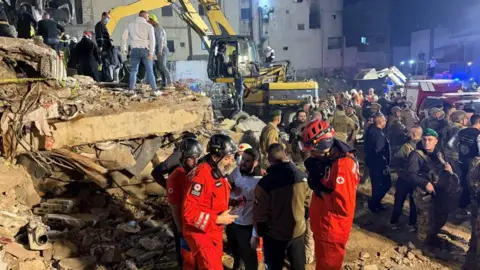
Eight people were rescued alive, Civil Defence director general Imad Khreiss mentioned.
According to Khreiss, the two adjoining buildings were home to 22 residents, but local municipal authorities warn that there could still be missing individuals.
Footage captured the moment of the collapse, where one side gave way at the lower floors before both structures fell almost simultaneously.
This disaster marks the fifth building collapse in Tripoli this winter, highlighting serious concerns over the structural integrity of old and poorly maintained buildings in the poorest area of Lebanon.
Videos show a thick cloud of dust and debris engulfing the street as the structures folded in on one another.
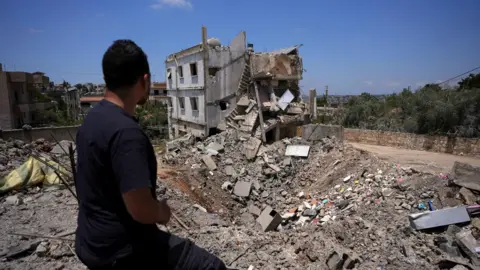
Large crowds gathered around the site, which now resembles a crater where the buildings once stood.
Tripoli's mayor, Abdel Hamid Karimeh, pointed out that the city has endured long-term dereliction, stating, Thousands of our people in Tripoli are threatened due to years of neglect. The situation is beyond the capabilities of the Tripoli municipality. He later submitted his resignation to the interior minister, labeling Tripoli as disaster-stricken.
President Joseph Aoun remarked that he was monitoring developments and called for rescue workers nationwide to mobilize.
Prime Minister Nawaf Salam referred to the collapse as a humanitarian catastrophe, with the government expressing readiness to aid affected residents.
Notably, the collapse comes shortly after evacuations from a nearby building due to structural damages and just two weeks following another tragic incident where a father and daughter lost their lives.
Tripoli, Lebanon’s second-largest city, has faced repeated building failures amid ongoing economic crises, lack of maintenance, and weak safety regulations.
Recently, the head of the Higher Relief Authority warned that over 100 buildings in the city require evacuation inspections.
Many residences in Lebanon were constructed illegally or without appropriate permits, especially during the civil war from 1975-1990, contributing to rampant unsafety and vulnerability, particularly during the winter months.
The national syndicate for property owners criticized the government for its negligence regarding citizens' safety and urged an immediate nationwide assessment of at-risk buildings.