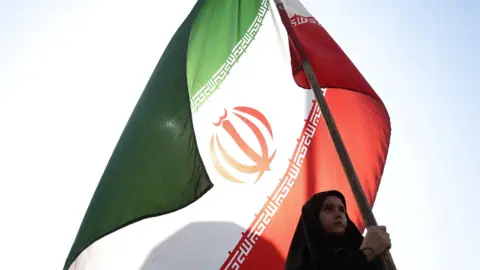
The ongoing protests in Iran, ignited by economic hardships, have taken a horrific turn as brutal crackdowns by government forces have left a trail of death and devastation. Eyewitness accounts reveal a chilling reality: 'My friends are all like me. We all know someone who was killed in the protests,' shared Parisa, a 29-year-old participant from Tehran. Since the unrest erupted on December 28, she has lost at least 13 friends to the violence.
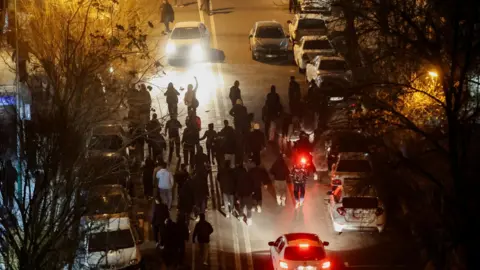
As protests escalated on January 8, Iranians described how security forces employed deadly force, firing live ammunition into crowds. With reports indicating that over 6,000 people have died, including numerous protesters and children, activists like Mehdi, 24, conveyed the desperation felt across the nation.
The Iranian regime has faced immense criticism for its heavy-handed tactics, dismissing the protesters while claiming most casualties are security personnel. However, the personal testimonies of victims and witnesses present a stark contrast to the government's narrative, shedding light on the extensive loss of life and the urgent need for accountability. The chilling experiences of individuals like Sahar and Parham, who witnessed friends being shot or fatally injured, underline the gravity of this dire situation.
The violent repression has galvanized many to continue the demonstrations despite the risk to their lives. The unrest aims not only at addressing economic grievances but also at demanding broader political change in a climate of severe repression. As the Iranian authorities impose communication blackouts, the flow of information remains stifled, complicating the already difficult task of raising awareness globally about the ramifications of this ongoing crisis.
As protests escalated on January 8, Iranians described how security forces employed deadly force, firing live ammunition into crowds. With reports indicating that over 6,000 people have died, including numerous protesters and children, activists like Mehdi, 24, conveyed the desperation felt across the nation.
The Iranian regime has faced immense criticism for its heavy-handed tactics, dismissing the protesters while claiming most casualties are security personnel. However, the personal testimonies of victims and witnesses present a stark contrast to the government's narrative, shedding light on the extensive loss of life and the urgent need for accountability. The chilling experiences of individuals like Sahar and Parham, who witnessed friends being shot or fatally injured, underline the gravity of this dire situation.
The violent repression has galvanized many to continue the demonstrations despite the risk to their lives. The unrest aims not only at addressing economic grievances but also at demanding broader political change in a climate of severe repression. As the Iranian authorities impose communication blackouts, the flow of information remains stifled, complicating the already difficult task of raising awareness globally about the ramifications of this ongoing crisis.