In brief
In a stride toward a middle‑ground alternative, independent MPs Zali Steggall and Allegra Spender inaugurated the Community Strong Australia party in Canberra. Positioned as a counterbalance to the entrenched Labor‑Coalition rivalry, the party pledges “unity over division and reason over rage.” The duo, part of the so‑called ‘teals,’ emphasize climate action, housing affordability and cost of living, while rejecting a single leader to encourage member‑directed decision‑making. Their initiative comes amid rising populist sentiment, notably from Pauline Hanson’s One Nation party, and reflects voters’ frustration with partisan gridlock. The party’s registration will be finalized by October.
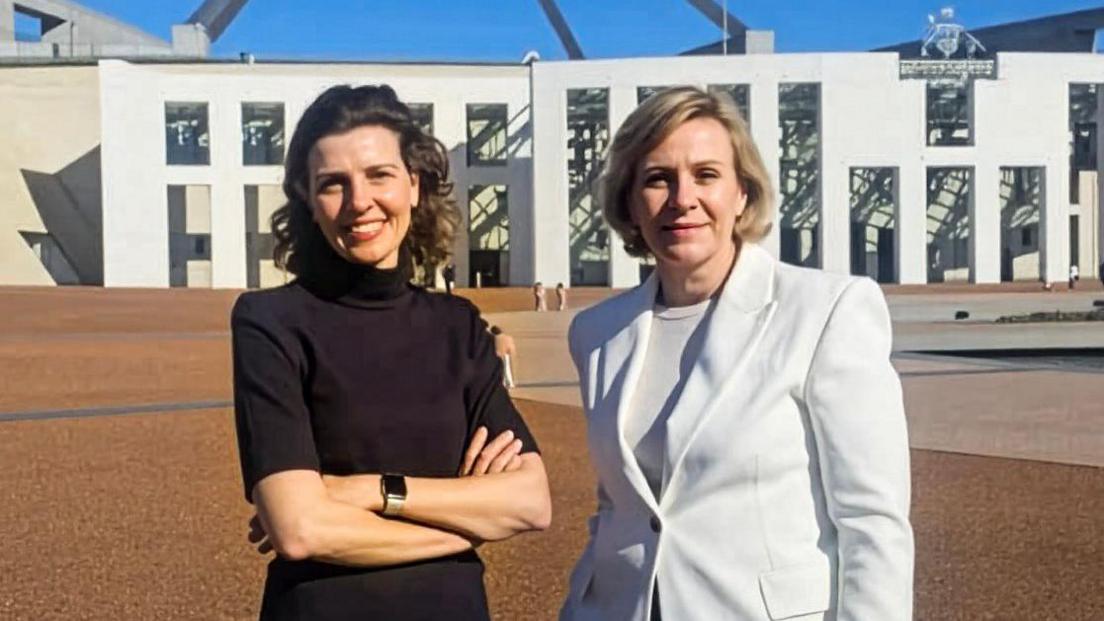
Community Strong Australia, a newly launched centrist party, was officially established in Canberra by independent MPs Zali Steggall and Allegra Spender on Thursday. The duo, members of the socially liberal “teal” independents, say the party will offer “unity over division and reason over rage” and will operate without a single leader, allowing members to vote freely on policy matters.
Armed with a platform that targets key national concerns—housing affordability, the cost of living, climate change, childcare, education and healthcare—the party positions itself as an alternative to the entrenched two‑party system dominated by Labor and the Liberal‑National Coalition. Labor’s recent landslide victory and the Coalition’s record losing streak, coupled with a surge in support for Pauline Hanson’s One Nation party, are cited as motivating factors behind the creation of this new movement.
Both MPs expressed that they are listening closely to voter concerns, noting frustration and fatigue over the status quo. "People are frustrated and tired of the status quo," Spender said, adding, "if I wasn’t in politics, I wouldn't know who to vote for." Steggall echoed the sentiment, stating, "We don't want the in‑fighting, we don't want the blame game. We want solutions that will make a difference to us."
Spender, who secured her seat in 2022, highlighted the party’s commitment to represent communities beyond their own, while Steggall—a former barrister and Winter Olympian—vehemently rejected any blame‑game and advocated for “solutions that will make a difference.”
The newly formed party insists that it is independent of Climate 200, the organisation that has financially supported several independent candidates, and asserts that the newly enacted electoral funding laws grant parties a broader campaign budget that may disadvantage independents.
With registration expected to be finalized in October, the duo has already attracted interest from other teal independents who are weighing whether to join the movement. The launch of Community Strong Australia therefore signals a potential shift in Australia’s political landscape, offering a centrist, member‑driven alternative to the polarized system that has dominated Australian politics for decades.