Recent heavy rains have unleashed a fresh wave of deadly landslides across Nepal, killing more than 30 people and compounding the destruction left by the August flooding that claimed 1,400 lives.
The Himalayan nation is feeling the ripple effects as the Annapurna Circuit – one of the world’s most popular trekking routes – has been rendered treacherous. Roads have been washed away, bridges swept out, and several key villages have been cut off.
In Manang and Mustang, helicopters have been scrambled to bring trekkers home. The remote districts, which normally take up to three weeks to traverse on foot, are now open only for helicopter access. Travelers who were halfway through the circuit have had to abandon their trek or scramble to alternative routes.

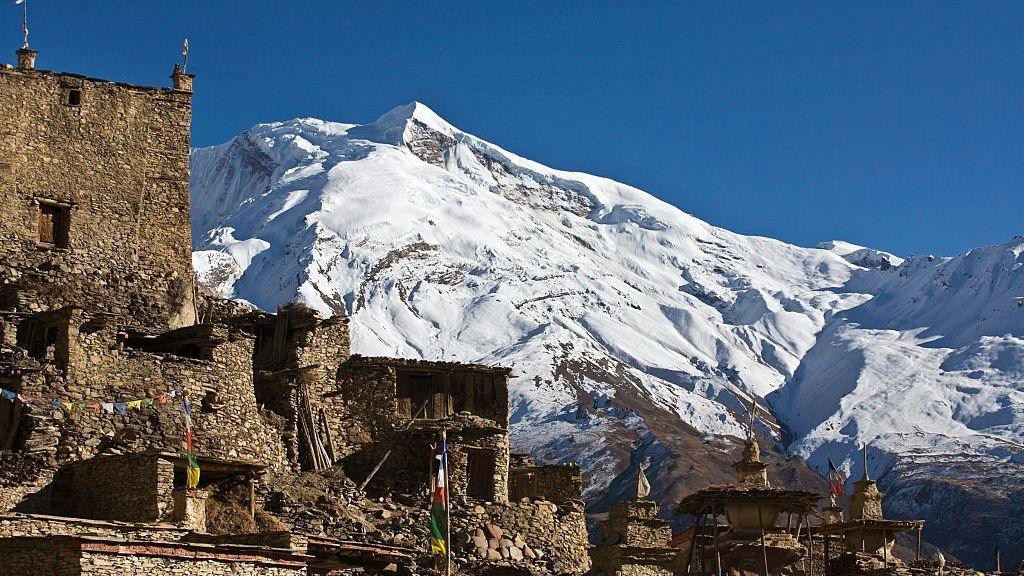
Local officials report that more than 1,900 families are affected. Roughly 240 homes have been damaged, and roads and bridges across Manang have been swept away. While no deaths have been recorded in the trekking region itself, authorities have recovered the bodies of four people and still have 12 missing after an avalanche near Himlung Peak.
Tourism officials say up to 700 trekkers are currently waiting in Pokhara to start the circuit, but the route has not yet been deemed safe. The Annapurna Conservation Area Project has paused the opening of the trail, citing the ongoing risk of landslides and the need for clearer, safer routes.
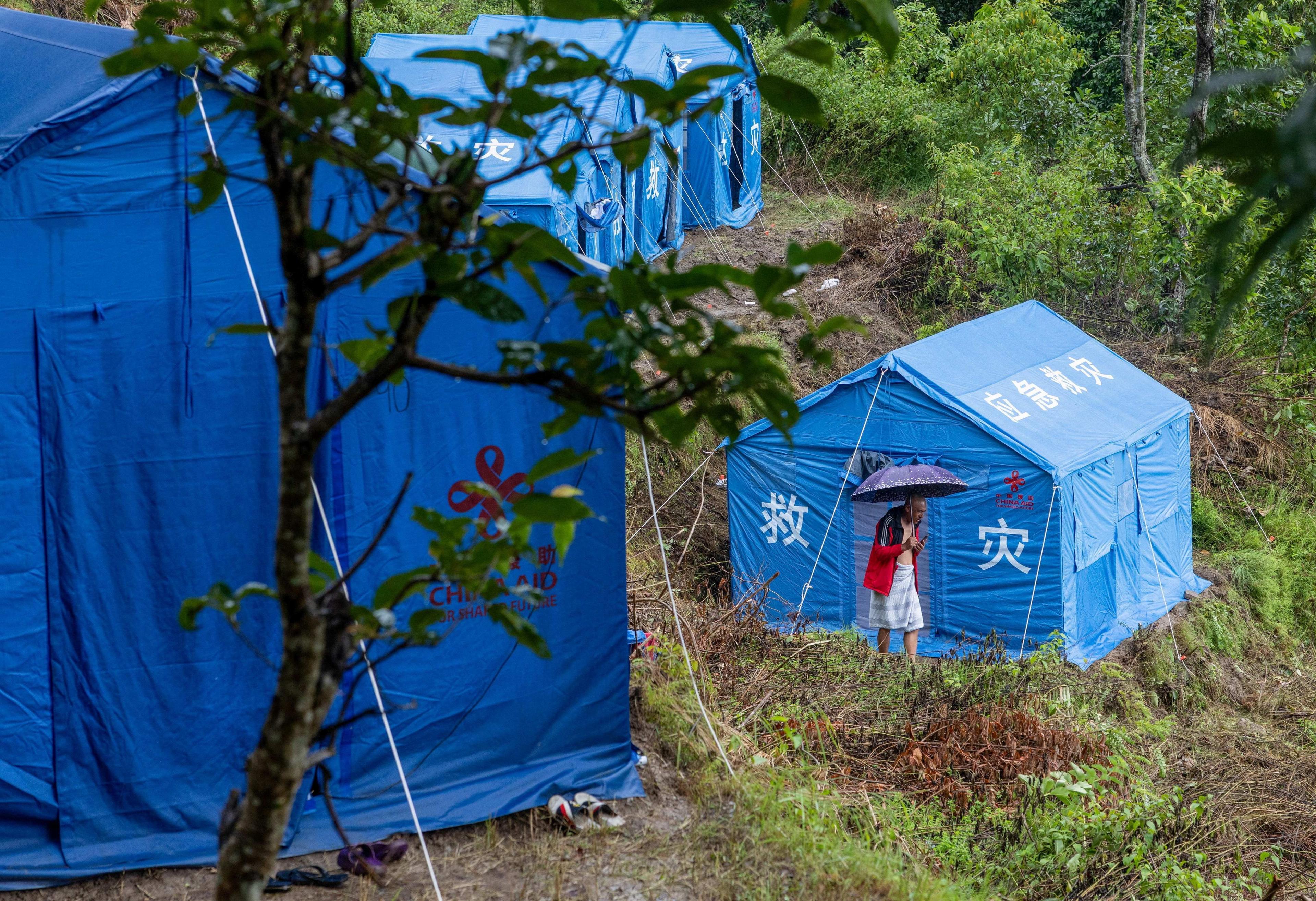
For many local villagers, the devastation has been personal and immediate. “We used to live in a hut, but now there is nothing,” says Buti Tamang, who lost family members and home in the floods. The tent they now occupy is leaking, and they have nowhere else to go.
The wave of landslides has also forced trekkers to use abandoned paths that were otherwise unused. This has added new risk corridors for those who do not have the full support of established trekking infrastructure.
As the nation grapples with climate-driven disasters, the importance of rapid emergency response and infrastructure resilience is clearer than ever. The recent events are a stark reminder of how quickly a tourist economy can be disrupted by nature’s forces, while also showcasing the critical role of helicopter rescue operations in emergency humanitarian response.