A government office in the western Nepali town of Baglung was ripped from its foundations and tumbled into the rushing banks of the Daram River on Sunday (27 September). Witnesses recorded the gaping moment in video footage that now circulates on social media.
According to ward chair Tej Thapa, government workers had already secured important documents and computers before the structure lost its footing. Local authorities confirmed that no one was injured in the collapse.
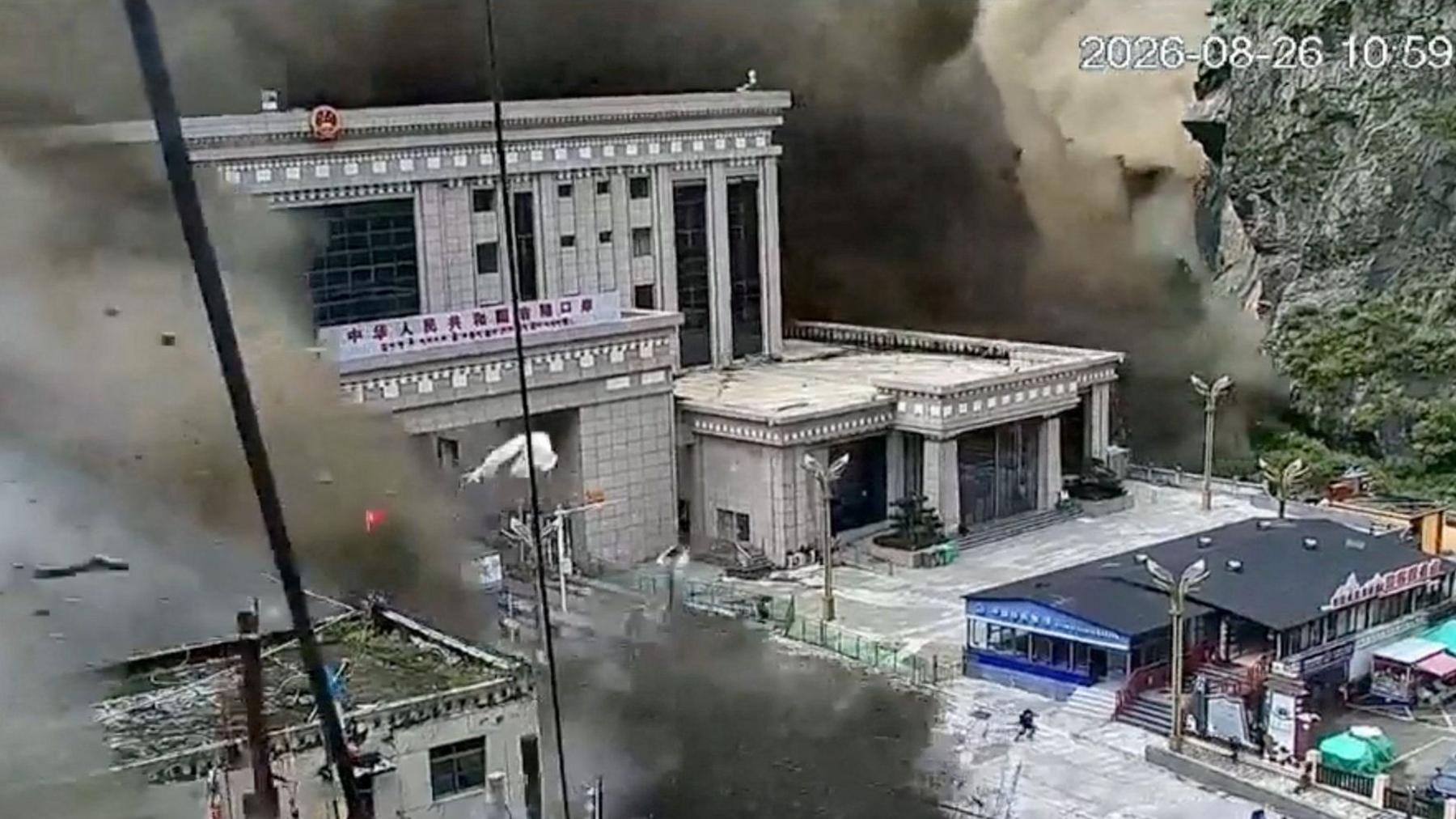
The incident occurs amid a broader crisis in the country. The National Disaster Risk Reduction Centre reports that at least 27 people have died in the past weeks from landslides and floods, and a separate flash flood on the Nepal‑Tibet border caused 1,400 deaths and left thousands missing.
The swelled Daram River, a tributary of the Trishuli, is part of a network of rivers that have been wildly unpredictable during this rainy season. Climate scientists warn that the region’s glacial melt and monsoonal intensity are projected to rise sharply because of global warming, escalating the risk of similar incidents.
Researchers are exploring how quantum computing can expedite simulation of complex hydrological systems. By harnessing quantum‑parallelism, models could evaluate thousands of rainfall‑runoff scenarios in real time, potentially offering earlier warnings for communities perched above vulnerable riverbanks.
While the immediate situation is stable, authorities are urging residents to stay alert as rivers continue to swell. The local government has increased patrols for early flood detection and is coordinating with national disaster agencies for rapid response.