Bangkok Turns Flooded Street into Floating Market Amid Crisis
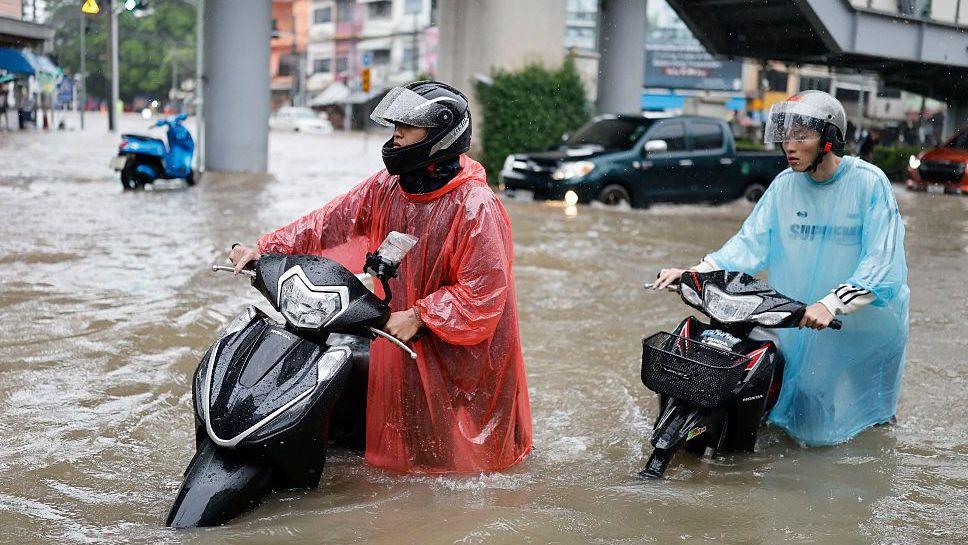
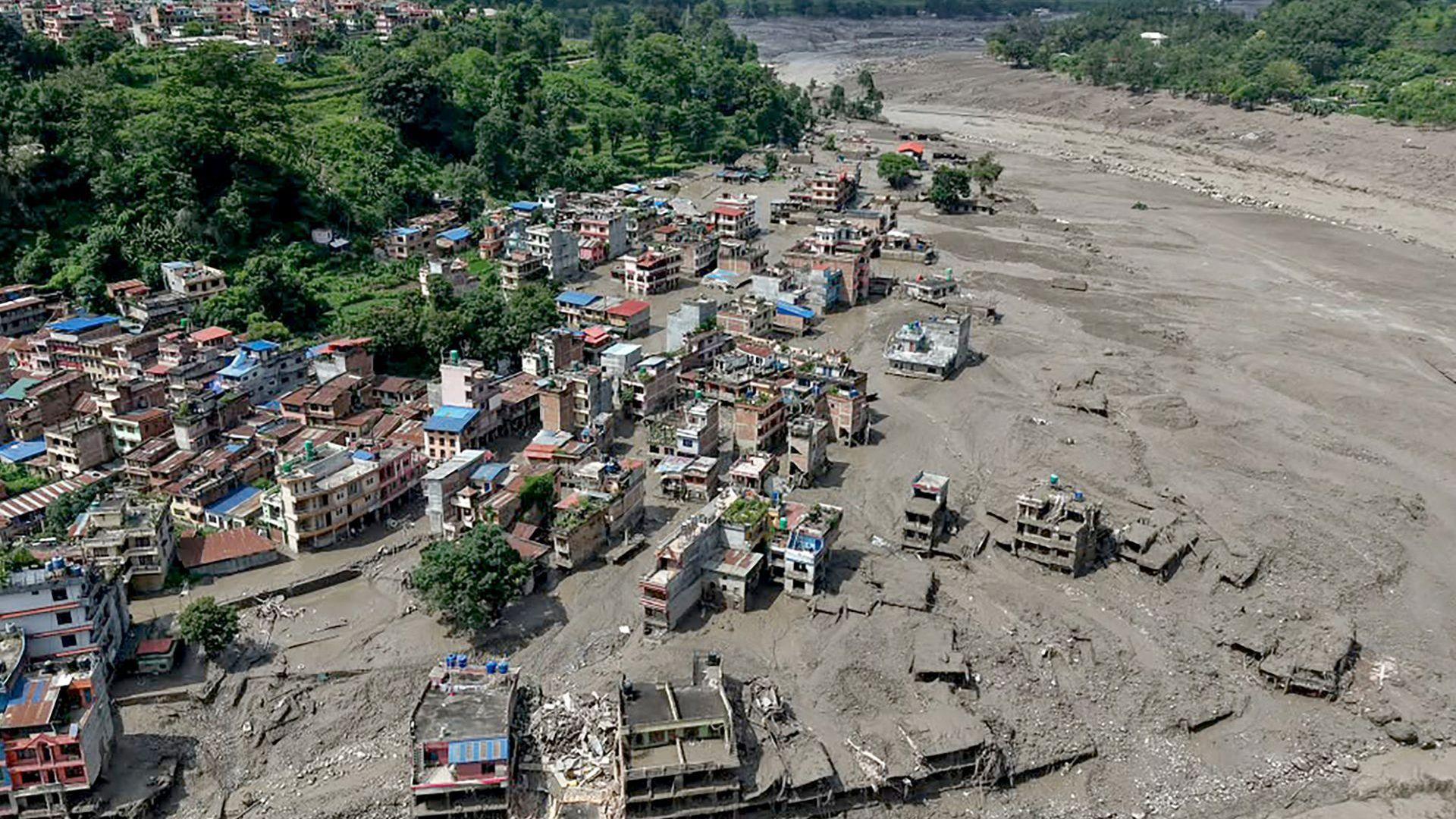
In the face of systemic flooding that turned a commercial corridor before a shopping mall into a river, Bangkok locals turned the crisis into an opportunity for commerce and solidarity.
Vendors floated on pontoons and specialty foam boxes, offering fish, fresh produce, ready‑to‑eat meals, and souvenirs to be bought either on foot or from small paddle boats. Stalls were set up on mats, with pineapple and mango wedges rocking gently in the water.
Touted by the city as a test case for resilient urban design, the temporary market not only supplied essential food items but also served as a visible sign that communities can help each other when official infrastructure is compromised.
Local news outlets highlighted how the market attracted shoppers from across the city, who either walked or paddled between booths, creating a unique marketplace experience amid the flood.
Cities worldwide are watching closely, noting how adaptive reuse of public spaces can turn a disaster into a thriving community rallying point. The Bangkok example provides fresh data for urban planners and policymakers investigating flood resilience solutions in dense megacities.