In the small town of Fleurance, an 11‑year‑old girl named Lyhanna was buried after her body was found in a nearby farm. The local community gathered to mourn and to voice their frustration at the police handling of the case.
The prime suspect, 41‑year‑old Jérôme Barella, had a long criminal record involving pupil‑abuse allegations. Arrested this week, his history was flagged by an international alert in 2023 but was deemed ‘weak’ and left the police unaware of his potential threat. A nine‑month delay meant he was never interrogated about the murder, leading to accusations of grave professional negligence.
Greek‑style civil protests erupted, with residents flying flags at half‑mast and rallying around local council halls. Officials reached a national outcry, and pleas were made for a new legal framework that channels speedily responses to child‑sexual‑abuse allegations.
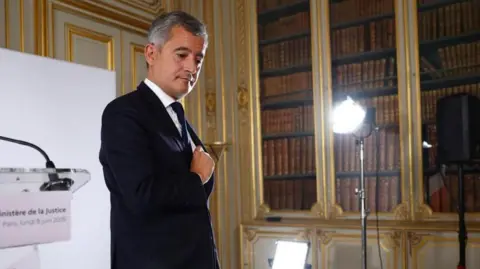
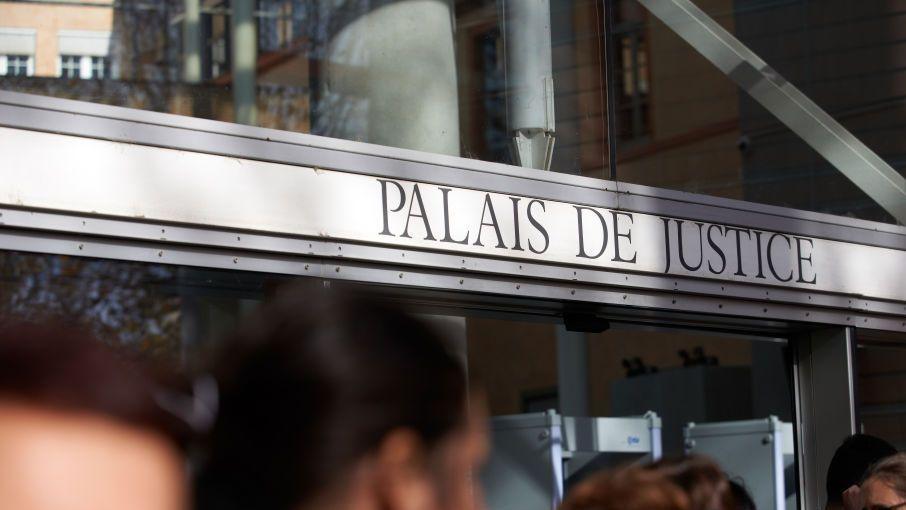
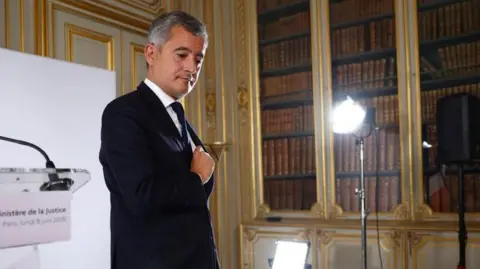
The justice minister declined to resign, citing that the delays were not due to lack of resources but a failure to prioritize the investigation. In response, the prime minister announced plans to extend jail terms for child rapists and impose timeline limits on investigations.
This case has become a flashpoint for France’s wider debate about how the criminal justice system handles sexual offence allegations against minors, underscoring the need for systematic reforms that prevent future miscarriages of justice.