The 31‑year‑old cold case finally opens a new chapter
On a cold August summer in 1995, a metal trunk – bound with a chain – was found floating in the River Seine, two miles west of Paris. Inside lay a dismembered corpse without a head or hands; the victim, 37‑year‑old Corinne Di Dio, remained unidentified until 1997.
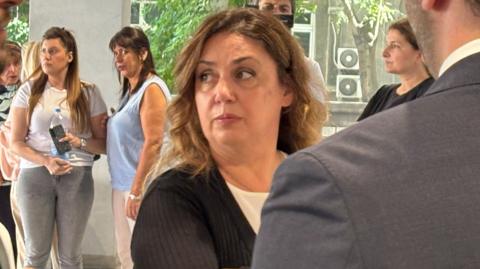
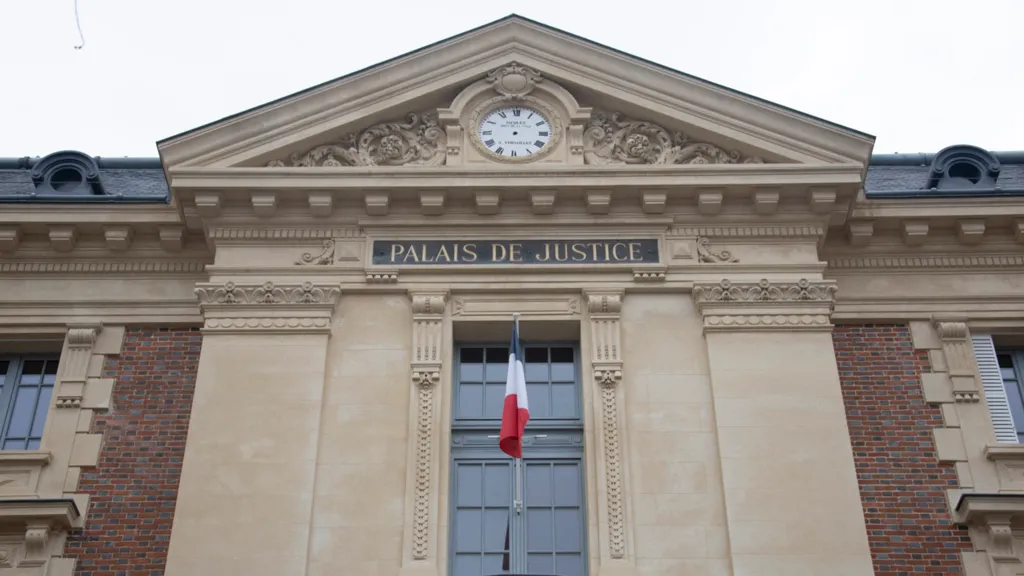
Fast forward to 2026: The biggest detainee in France’s prison system – 79‑year‑old Marie‑Thérèse Garcia, who has been held since 2023 – is on trial for kidnapping, dismemberment and murder. The trial takes place at the main courthouse in Versailles.
DNA breakthroughs resurrect the investigation
For decades the case was closed twice for lack of evidence, even though Garcia was a prime suspect. The turning point came when forensic scientists extracted DNA from two hairs found inside the trunk. The hair analysis revealed that the strands belonged either to Garcia or to a relative in her matrilineal line, the only genetic link to the victim. This breakthrough turned a mystery into a provable line of evidence.
The prosecution alleges that Garcia lured Di Dio to her homes near Rambouillet, where she was stabbed and dismembered. That same family history—both women had links to Spanish drug trafficker Antonio Marquez‑Gomez—adds layers to the narrative, hinting at a motive involving the family’s teenage son, Romain.
The trial under the spotlight of forensic technology
Garcia’s lawyer Najwa El Haïté counters that the brutal method of the crime is inconsistent with a non‑criminal woman, while prosecutors point to organized‑crime footprints through testimonies and trace evidence. The case has earned her the nickname Ma Dalton, a nod to a comic‑strip grandmother, but she maintains that the evidence is circumstantial.
Today’s forensic DNA techniques—more sensitive and comprehensive than those used in the 1990s—are proving crucial in retrieving the missing links of cold cases. As the trial draws to a close, it serves as a stark reminder that the intersection of technology and justice can finally bring resolution where decades of uncertainty once stood.