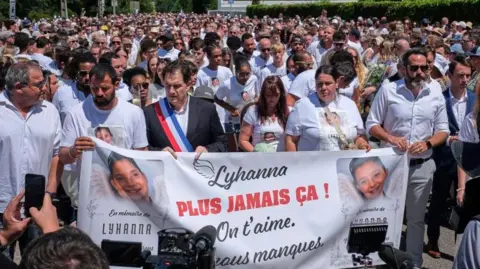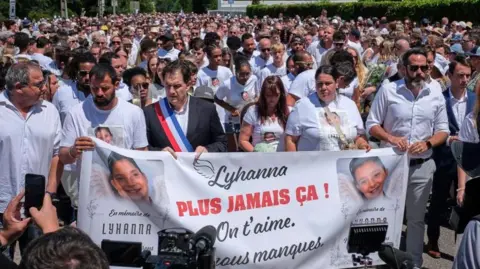
In the small town of Fleurance, south‑west France, an 11‑year‑old girl named Lyhanna was buried after the town’s community and her family mourned her loss under the weight of public outrage. The funeral venue was the local cemetery, and mourners gathered in solidarity with the family in a scene that mirrored the sorrow in the wider Gers region, where flags were flown at half‑mast.
The tragedy soured in a national debate after it emerged that the prime suspect, Jérôme Barella, 41, had been denied by police for a previous sexual abuse allegation involving a 10‑year‑old nine months earlier. Authorities had received a “weak” signal from a 2023 digital‑search that was ignored until a recent police sweep after Barella’s arrest.
Barella’s case also opened a can of worms involving familial sexual abuse claims; his father Joël and brother Yannick were both brought under investigation for alleged offences against minors. Both denied the claims, but the court record has bolstered the public criticism of France’s justice system.
The suspect’s murder of Lyhanna, who was last seen in his car on the day she disappeared, followed his own daughter’s disappearance the following week, which ended with her body found on a nearby farm.
The body‑detection and subsequent investigation into the murder cost Savé to police from major national failure and raised questions about resource allocation and priority-setting in addressing child‑abuse allegations.
In the fallout, French Justice Minister Gérald Darmanin weighed in, insisting that the failures were not due to a lack of manpower but to negligence in prioritizing the case, a stance that has seen mixed reception from the public and political figures.
Prime Minister Sébastien Lecornu announced controversial measures to toughen the legal framework for child‑rape cases, including revised jail sentences and investigation time limits, while advocates push for a comprehensive new law and additional budget allocations.
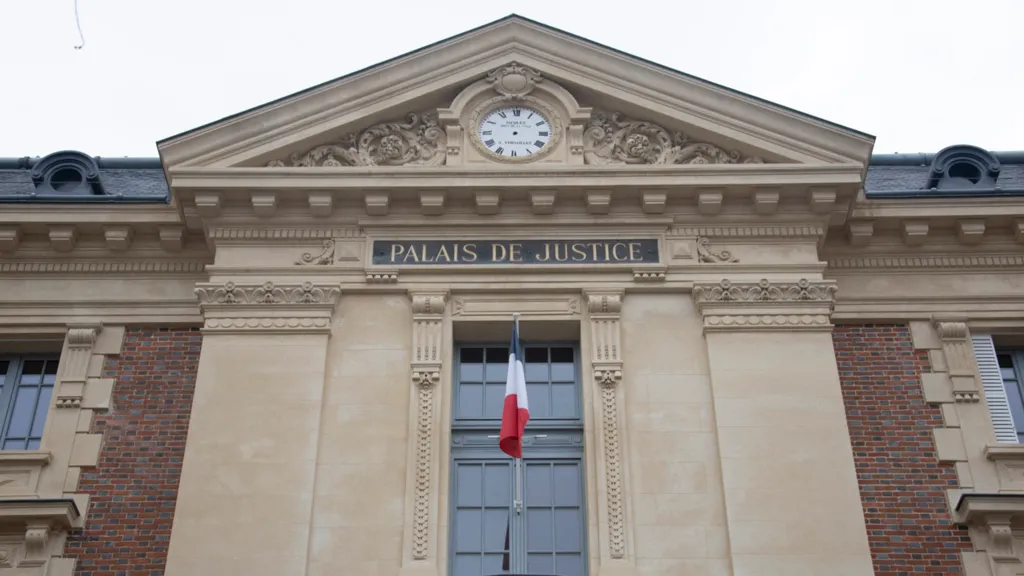
Meanwhile, the public stands in solidarity: frequent protests outside court facilities have become a hallmark of ongoing demand for justice system reform, with voices ranging from union leaders to ordinary citizens protesting every Monday under the banners of “never again.”