France’s School Protests: A Litmus Test for a Divided Society
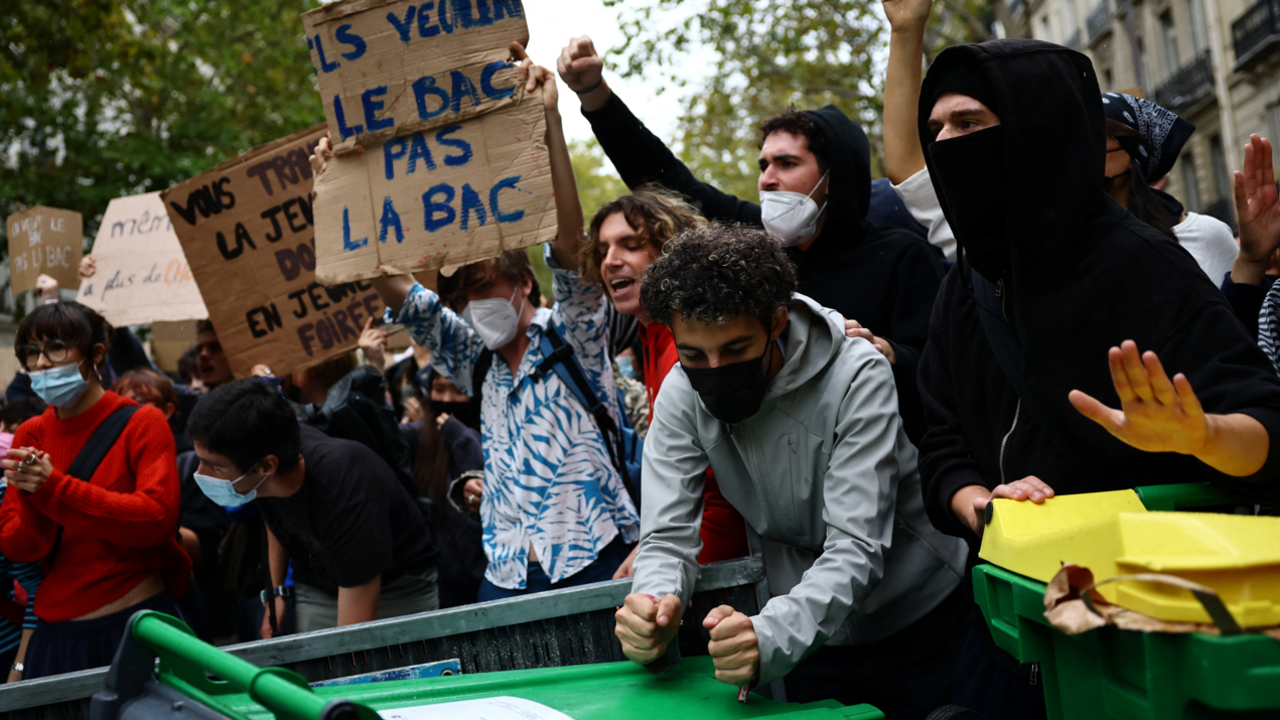
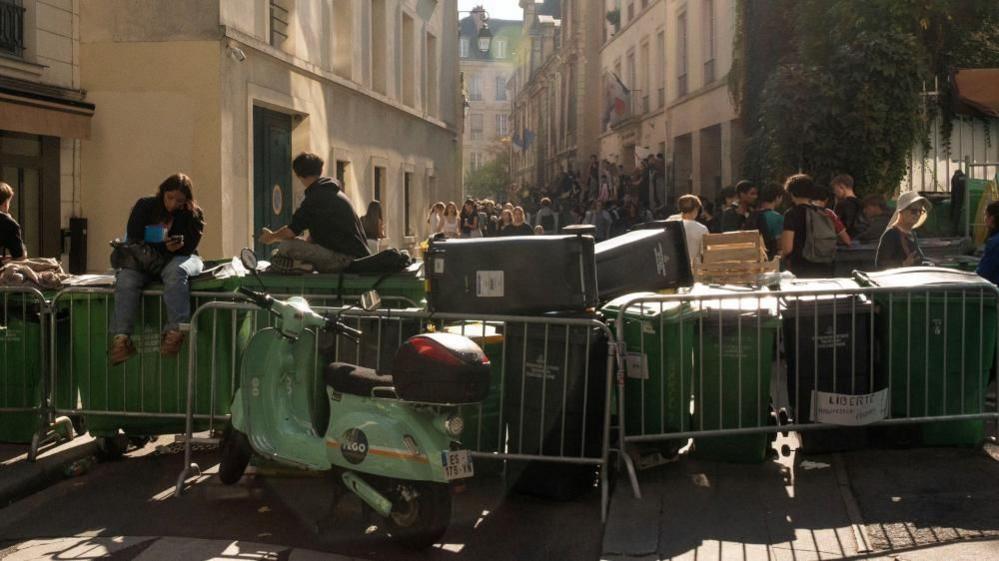
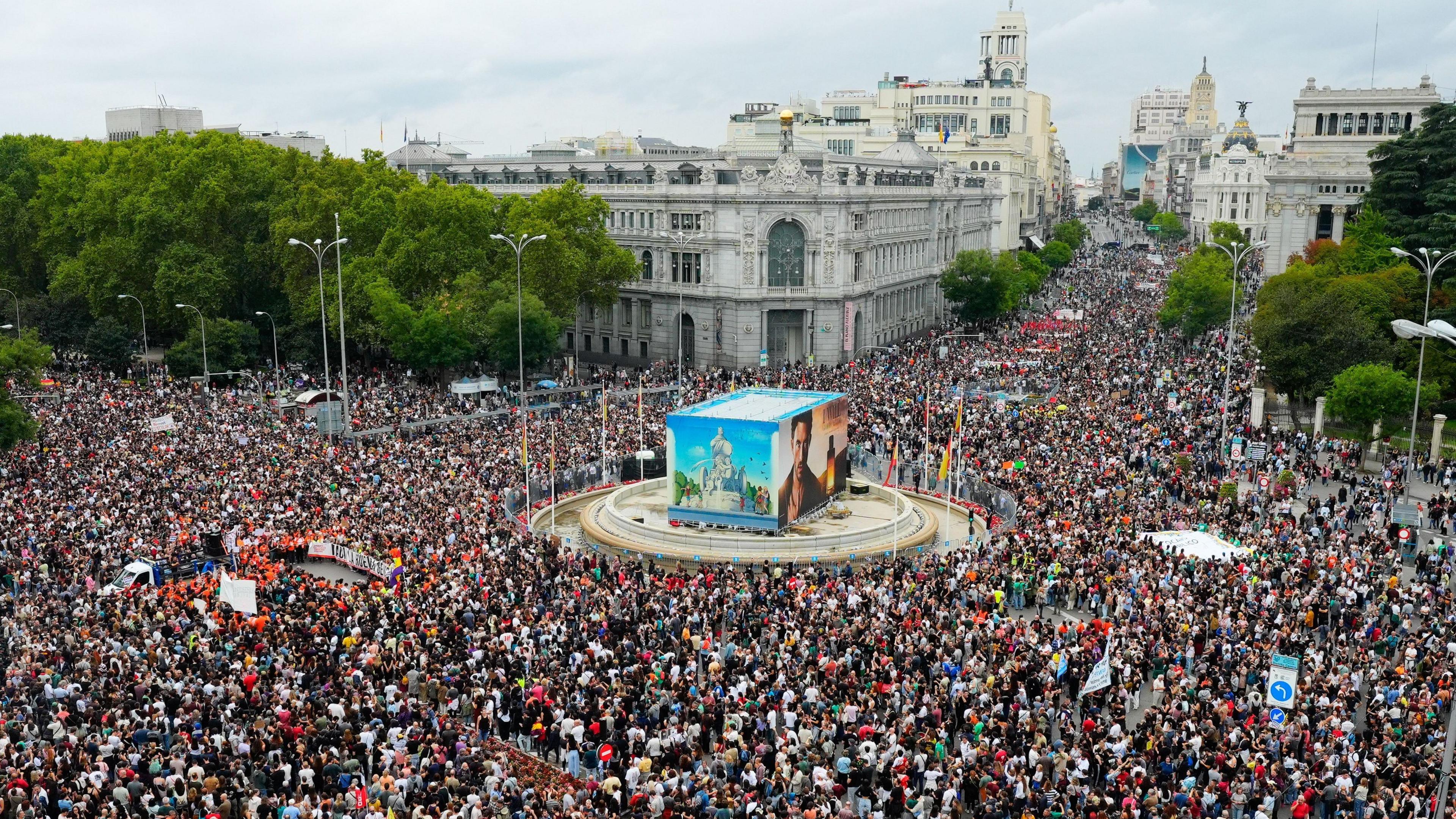
Hundreds of thousands of French high-school students have thrown their backs against the status quo in a wave of demonstrations that began in late September.
The grievances are practical – chronic staff shortages, crumbling buildings, long days and inadequate canteens – but the slogans have taken on a sharper political edge, with chants like “everyone hates the police” and accusations that the state has abandoned its youth.
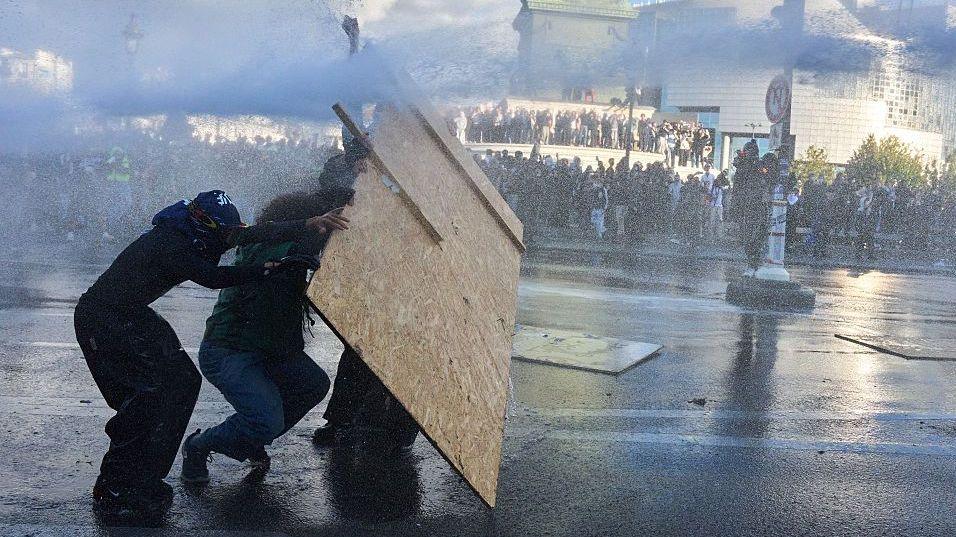
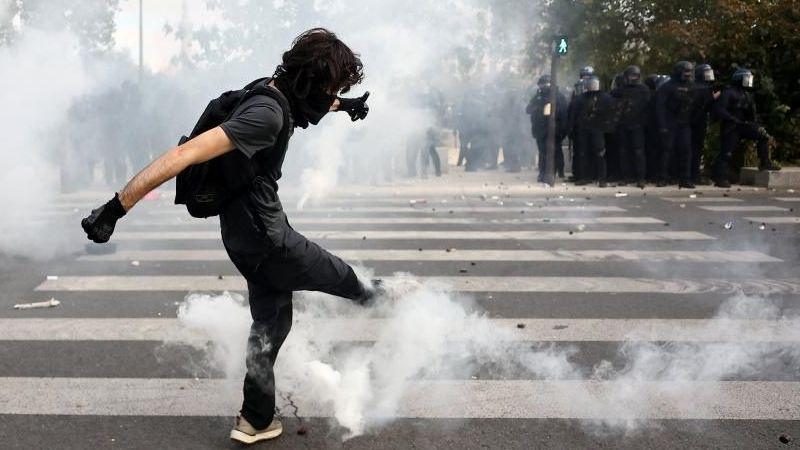
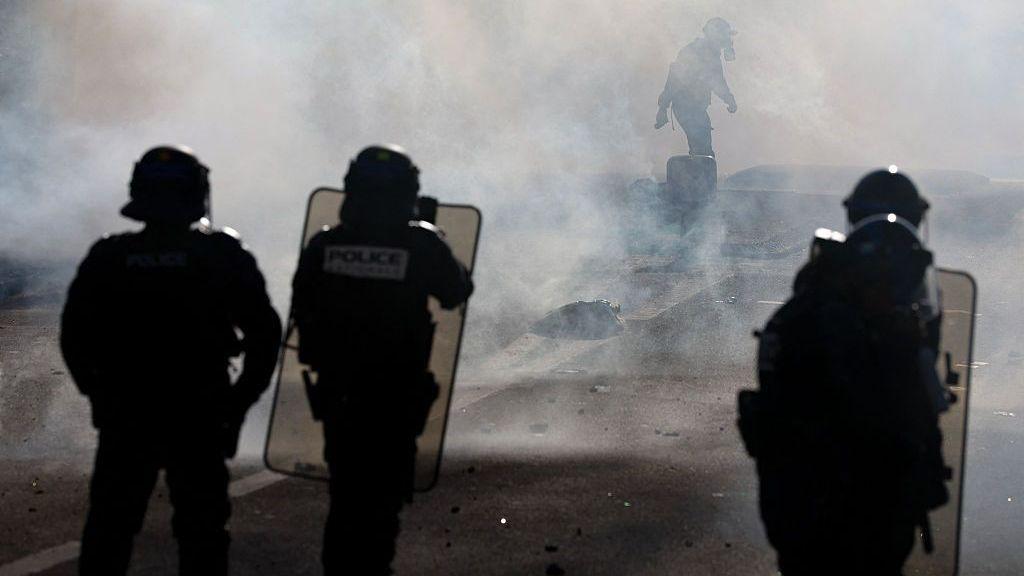
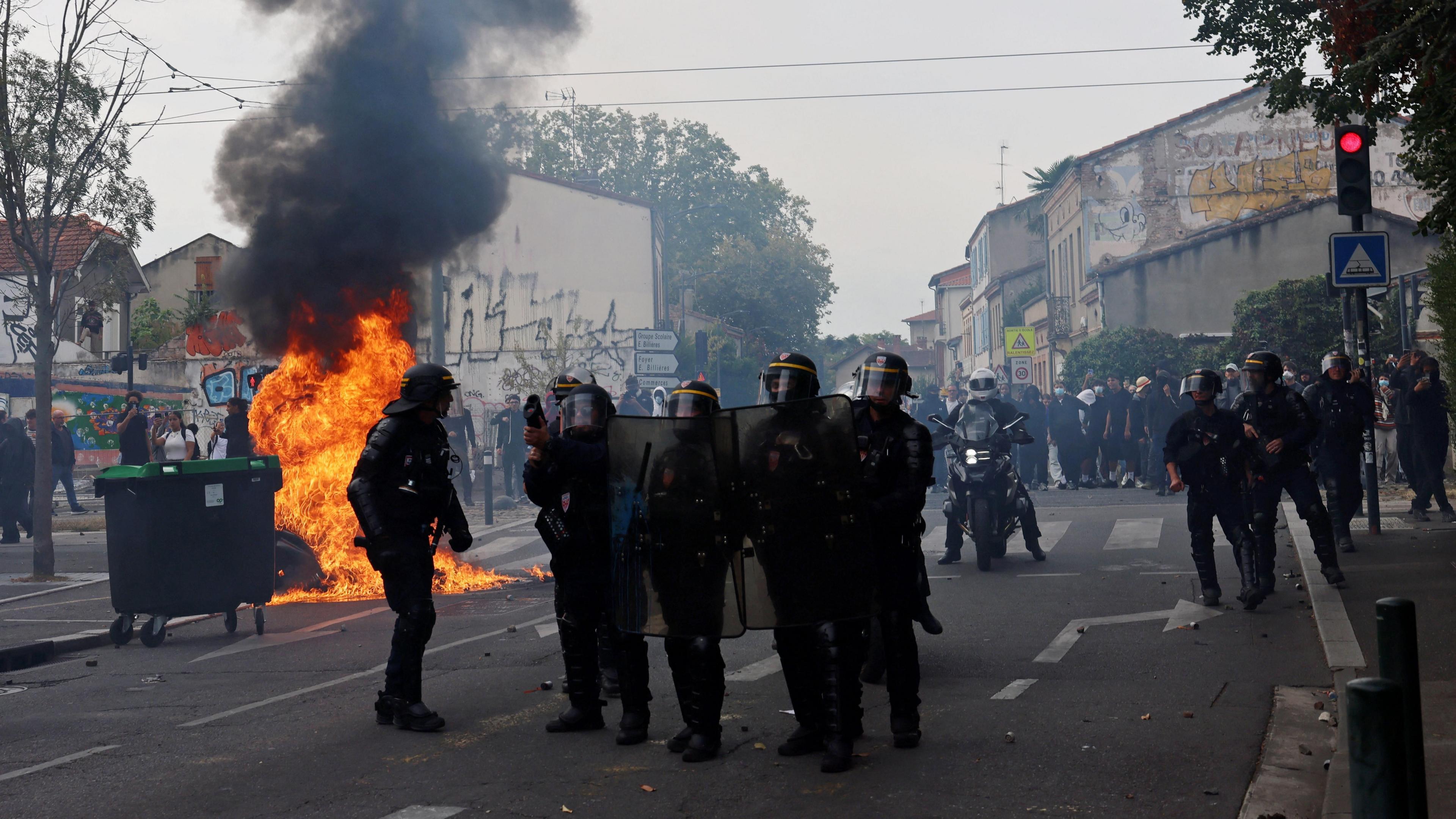
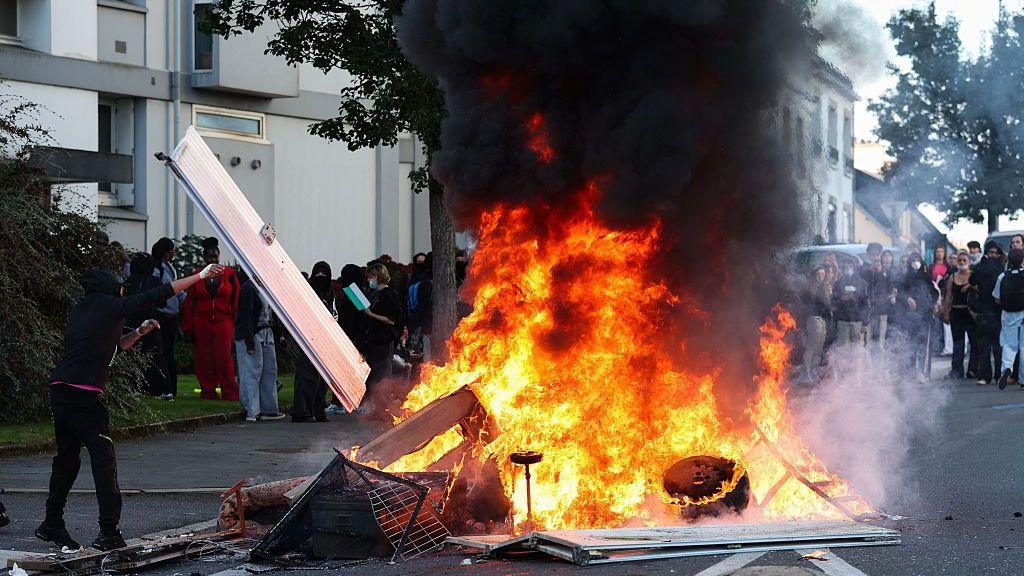
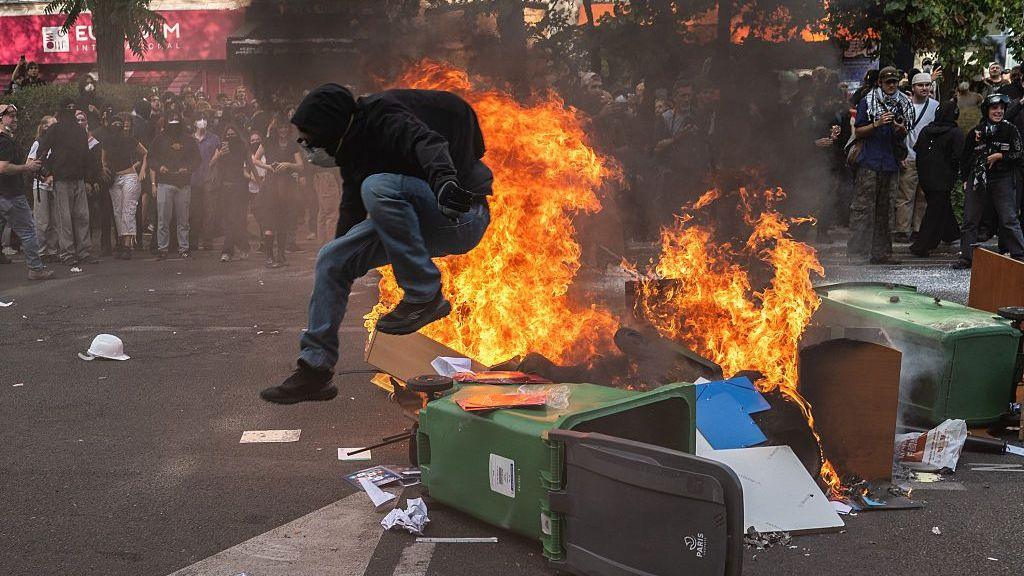
As the protests spread from the suburbs of ’R’- -to -like Lille, Toulouse and Paris, they have turned violent. Police equipped with flash-balls and riot gear have confronted youths, leading to thousands of arrests and injuries on both sides.
In an attempt to placate the movement, Prime Minister Lecornu pledged 3,000 temporary teachers and said a broader plan would be unveiled by the end of October, but the rhetoric has not eased the anger or the division. Political leaders across the spectrum – from the National Rally to the left-wing LFI – are using the unrest to rally supporters, and the protests are now a flashpoint in France’s looming 2027 presidential race.
With the country’s finances in a shaky condition, deep-seated reforms to fix school infrastructure and staffing would require billions of euros, something the current budget cannot comfortably afford. The movement’s persistence, backed by teachers and widespread youth participation, signals that the status quo may not be acceptable for much longer.
If these protests are overlooked, the next time the nation faces ‘le manque de moyens’ could trigger an even deeper crisis – one that may even alter France’s political landscape permanently.