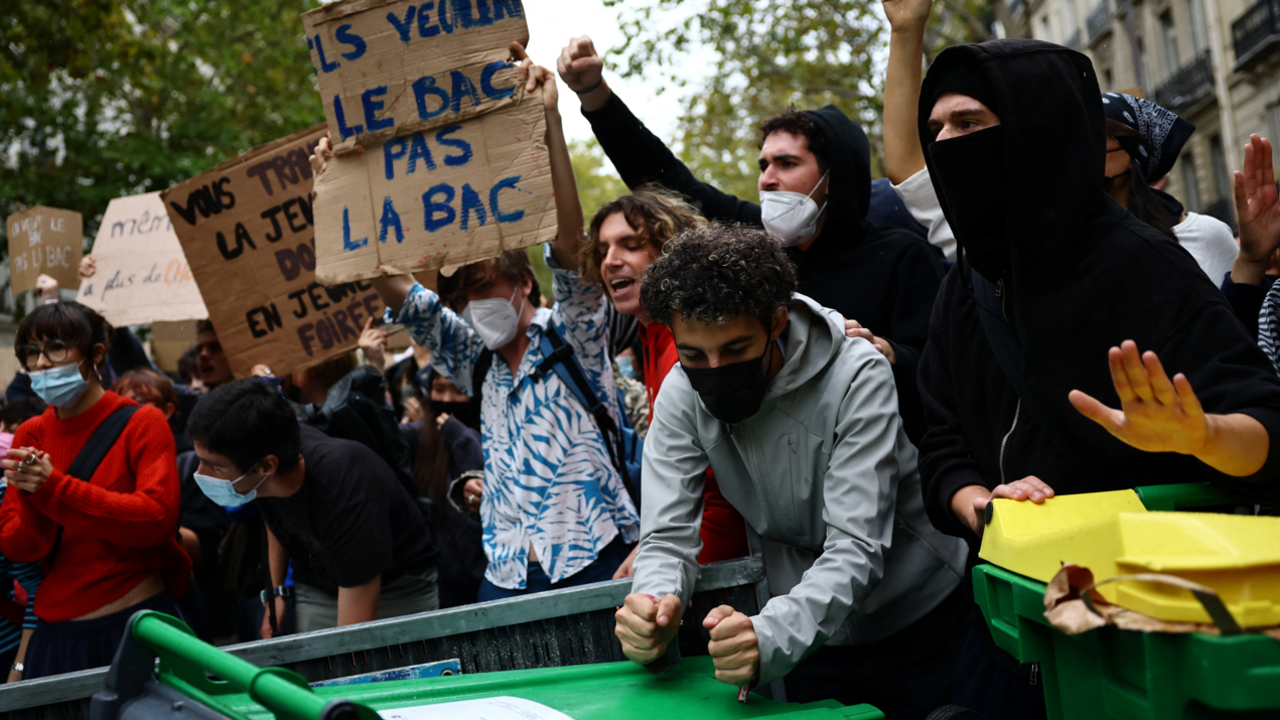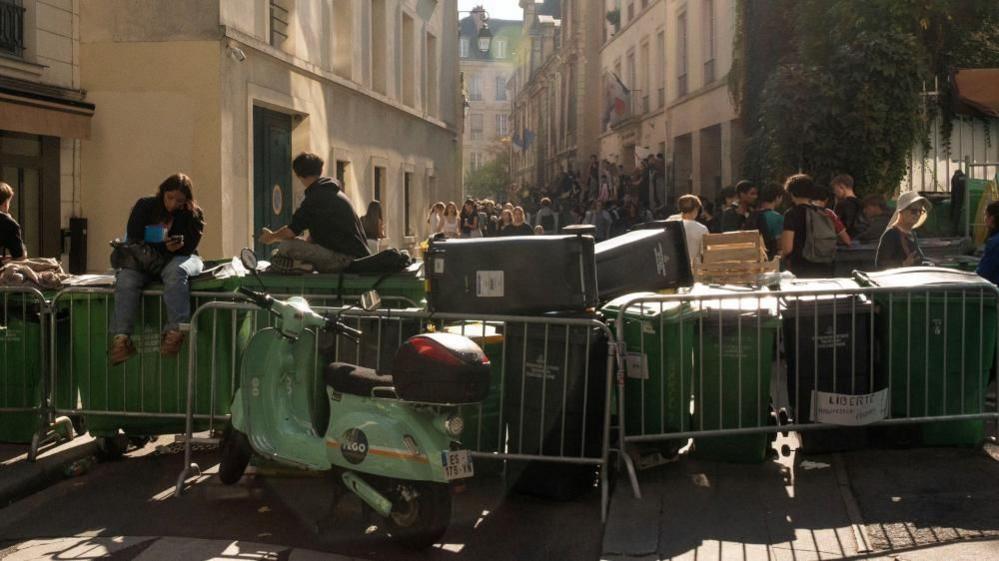
The French government has taken its first concrete step toward ending a week‑long wave of high‑school protests by promising to dispatch 3,000 replacement teachers across the country.
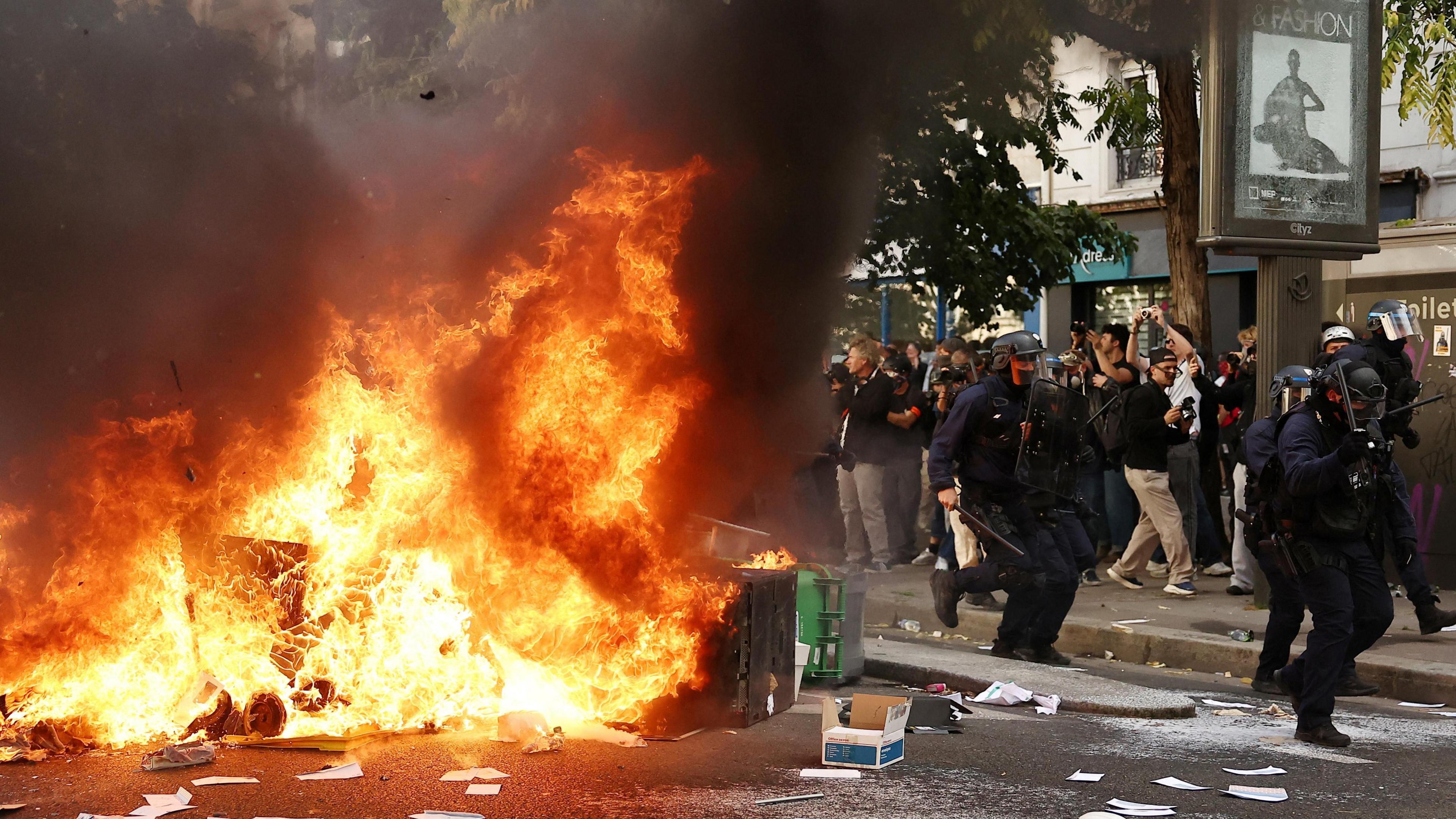
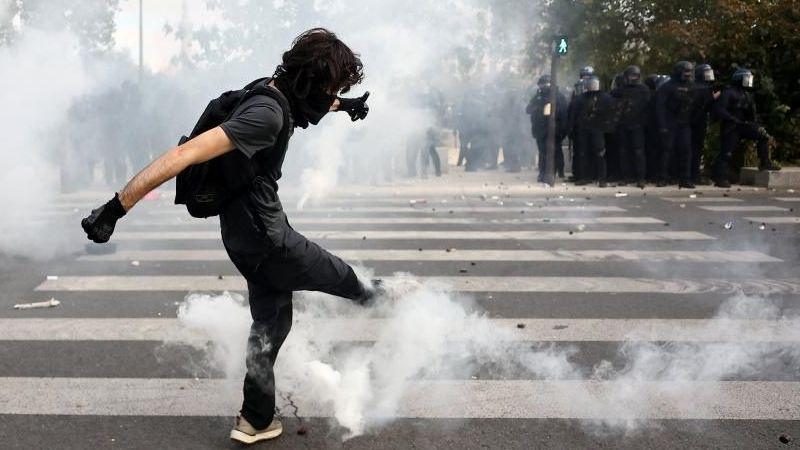
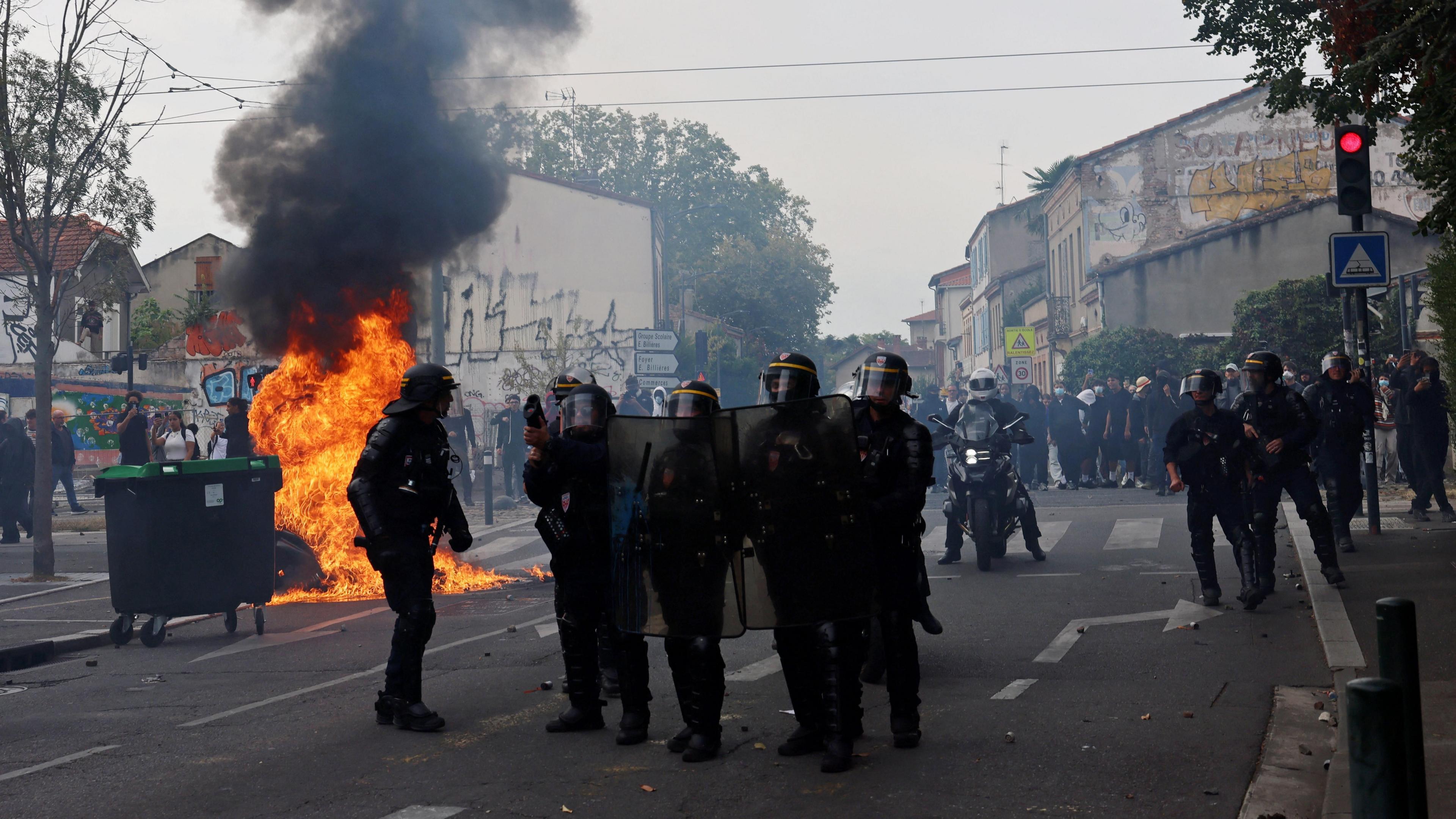
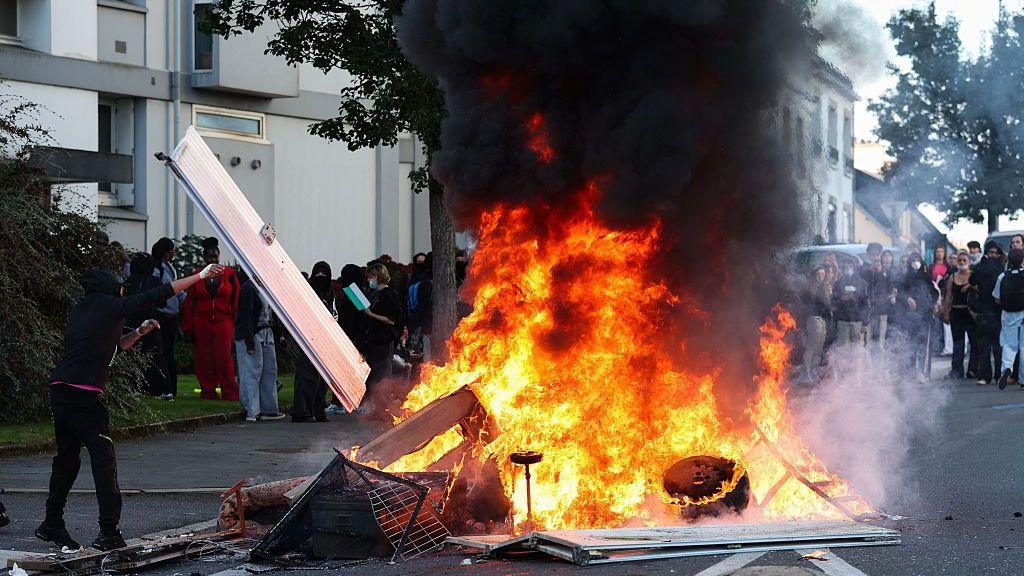
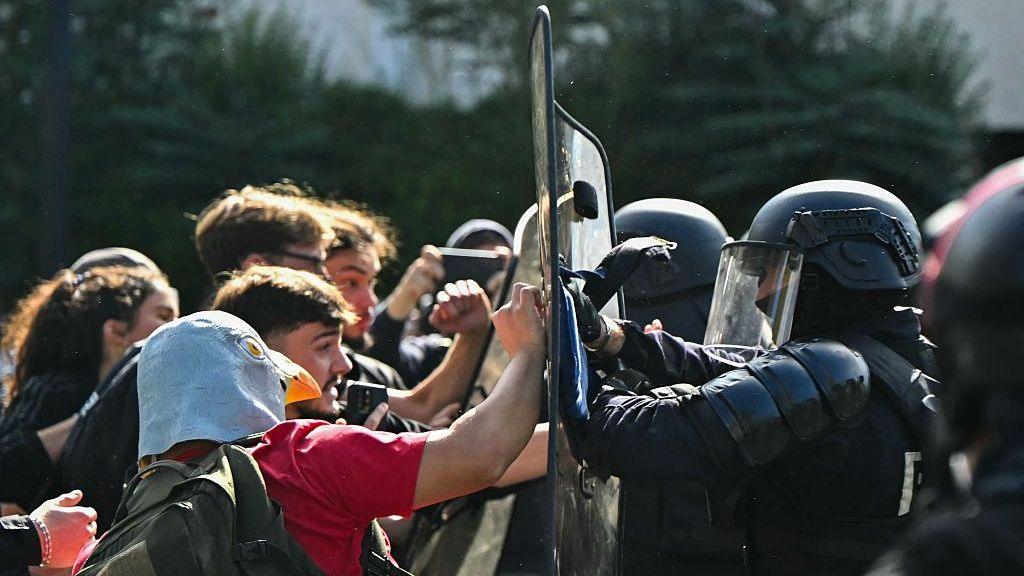
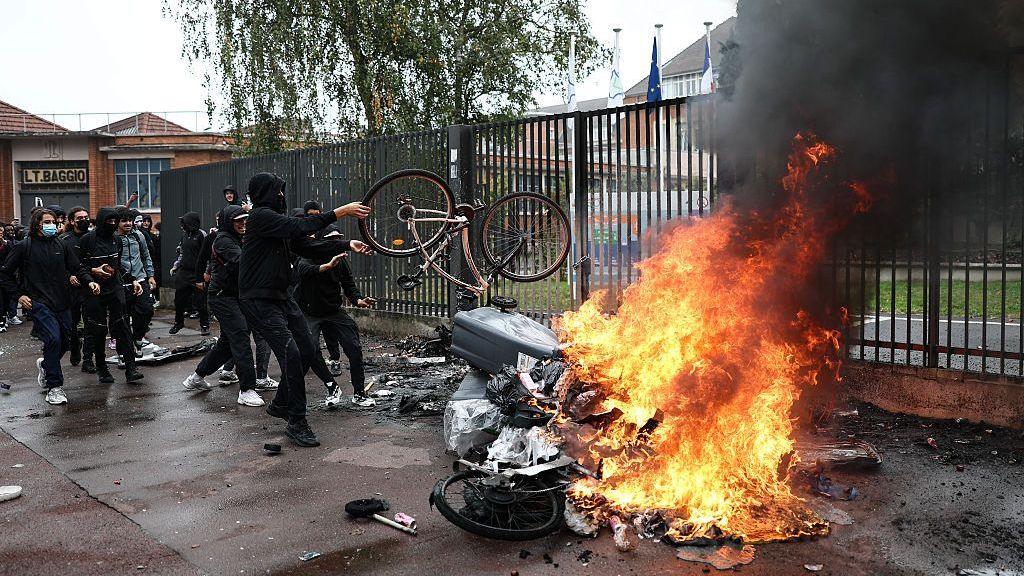
Education Minister Edouard Geffray announced the offer on national television, following a day of violent clashes that saw students launch stone‑throwing attacks and set fire‑crackers at police.
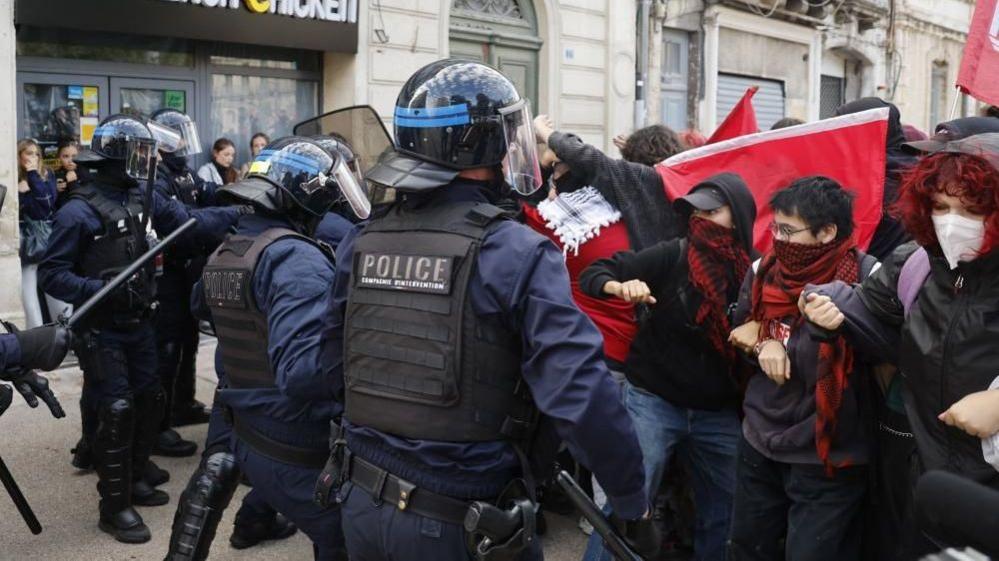
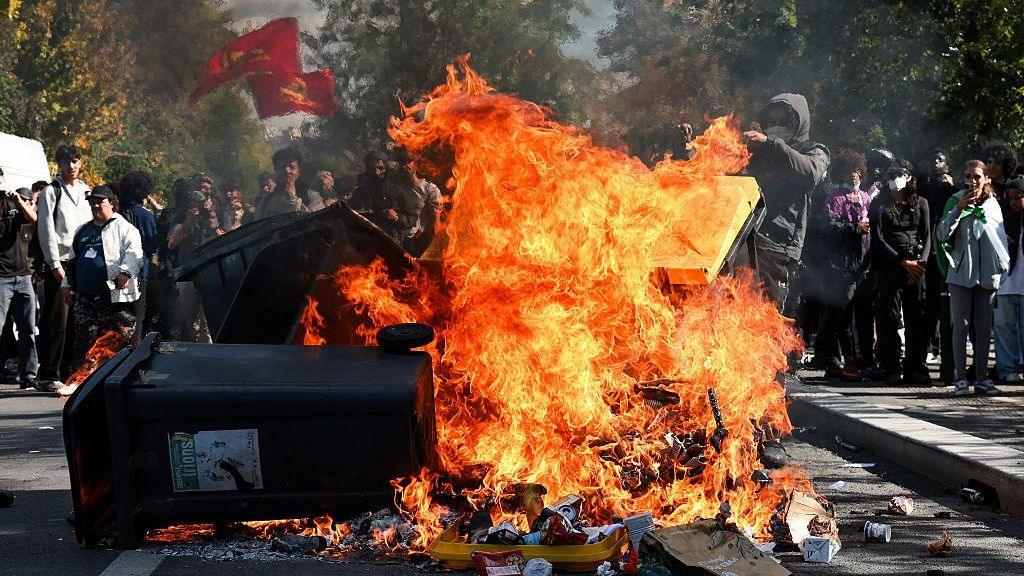
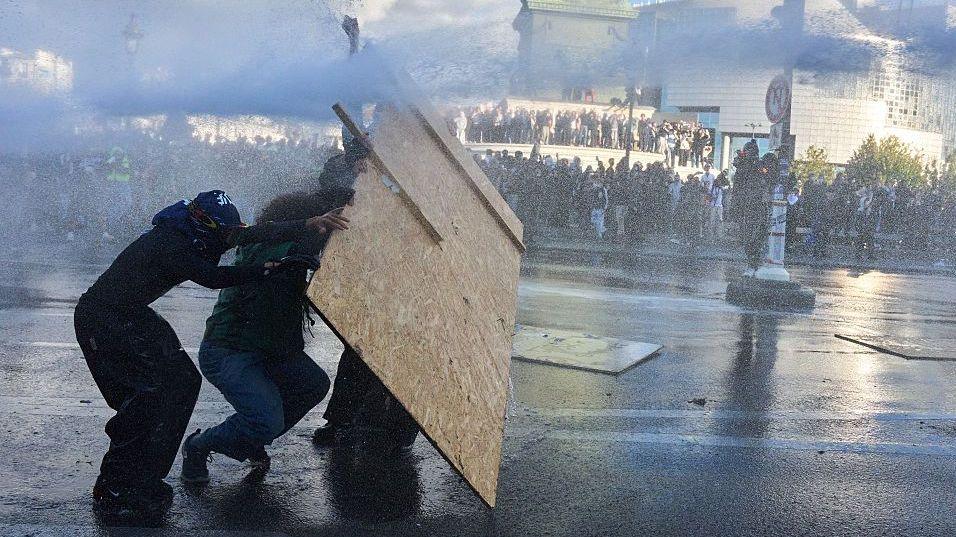
Those in power note that 6,877 people have been arrested since the demonstrations began, 86 % of them under 18, while the overall protest tally hit 71,000 on Thursday. More than 24,000 demonstrators stood in front of the Bastille, the symbol of revolutionary fervor, even as tear‑gas was used to disperse the crowds.
The promised supply teachers are expected to be directed quickly, thanks to new Ministry software that will match 3,000 substitute staff with the roughly 500 lycées most in dire need. Many of these schools are in high‑immigration suburbs, where teacher shortages have long crippled classroom time.
While the commitment will relieve some immediate pressure, critics argue that it is merely a bandage on the larger systemic faults of France’s education system. Student leaders say they are watching the implementation closely, demanding that the €10 bn promised for education reforms in the 2027 budget be fulfilled before they will consider ending the protest march.
Sabrine Kharbach of the Student Union whose roots trace to the France Unbowed movement, and Nathanaël Combary of the more moderate Lycée Renewal union, both issued cautious statements. Kharbach urged that “only concrete measures will quell the demonstrators,” while Combary noted that the new supply teacher roll‑out was a “partial win.”
Political reactions equally varied: Jean‑Luc Melenchon praised the Thursday demonstrations as a return of the Bastille’s spirit, whereas a National Rally spokesman warned that the government’s concessions could be seen as rewarding violent tactics.
The protests are part of a broader context of growing unrest over rising fuel costs, tensions in rural sectors, and an upcoming presidential election that has drawn attention from across France’s political spectrum. The workforce of students hopes that the new hiring spree, coupled with potential budgetary review, may be enough to bring a lasting stop to the unrest.