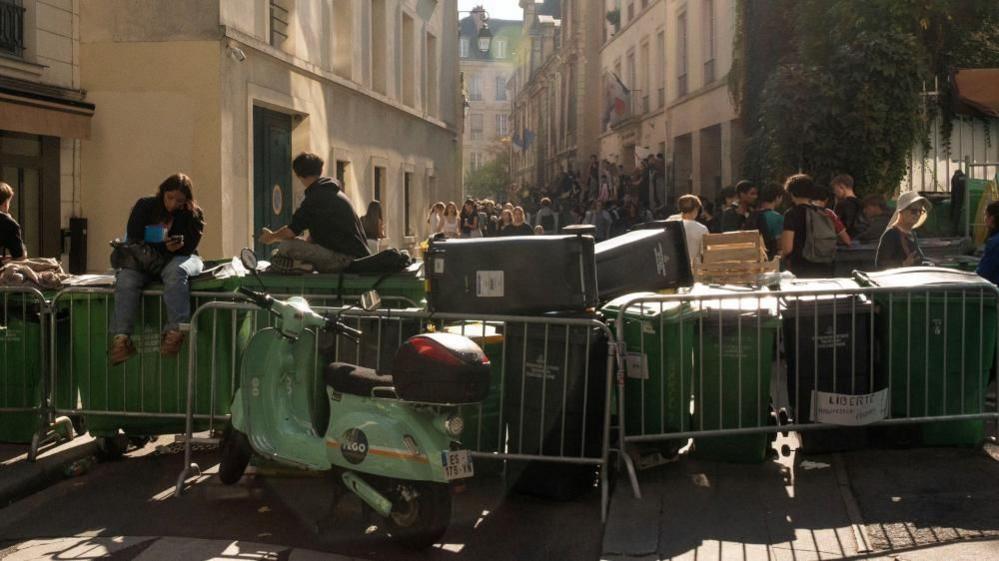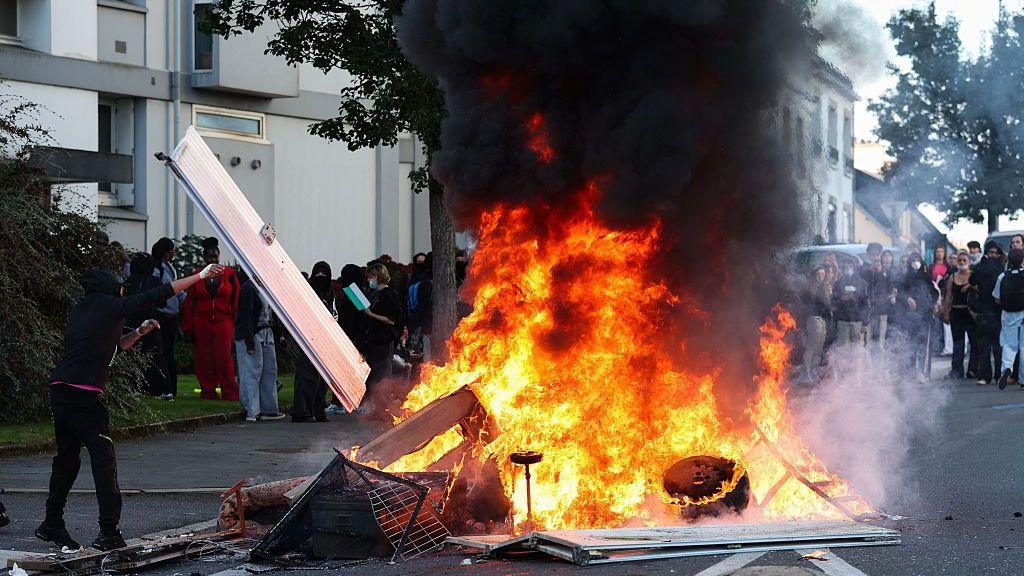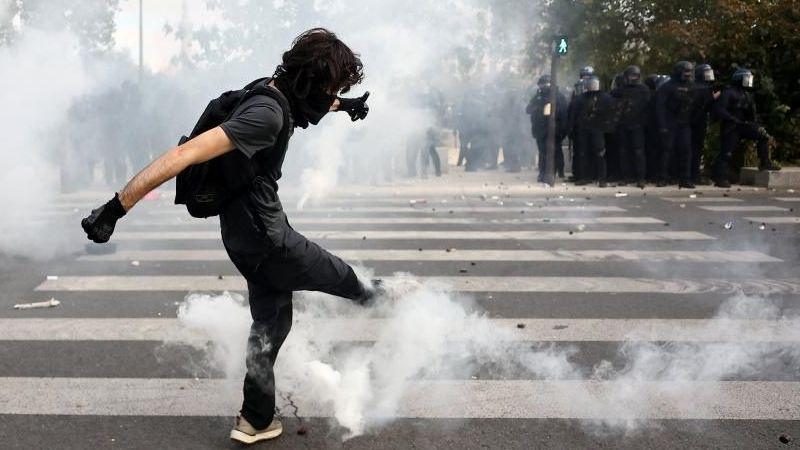
Hundreds of thousands of French students, parents and university students have marched across the country in a nationwide protest that has sparked the use of tear gas and water‑cannon weapons by police. The demonstrations began in the peripheral suburb of Seine‑Saint‑Denis after complaints of overcrowded classrooms, a shortage of teachers and dilapidated school infrastructure, and have since spread to high schools, universities and even some private schools across eight regions.
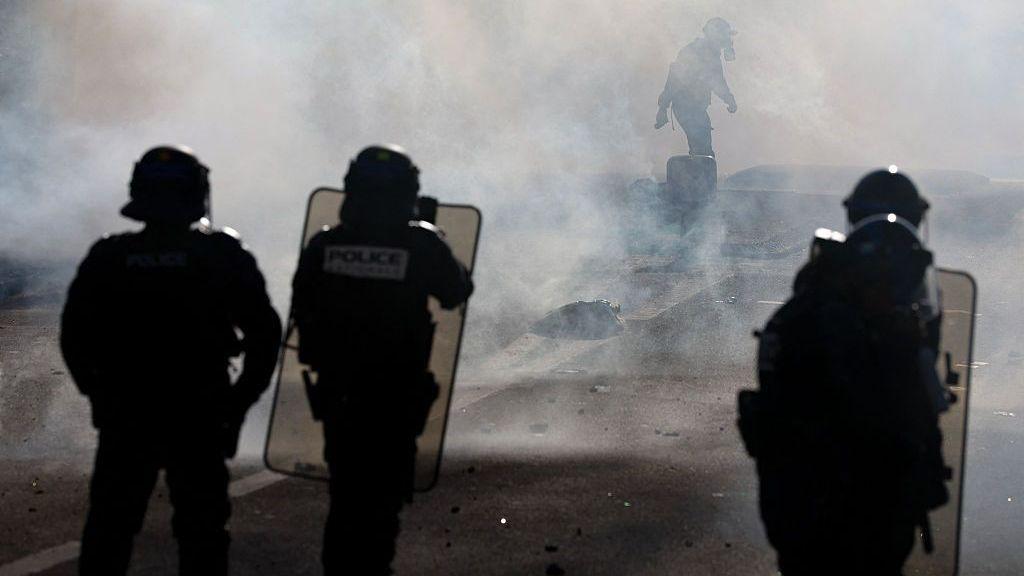
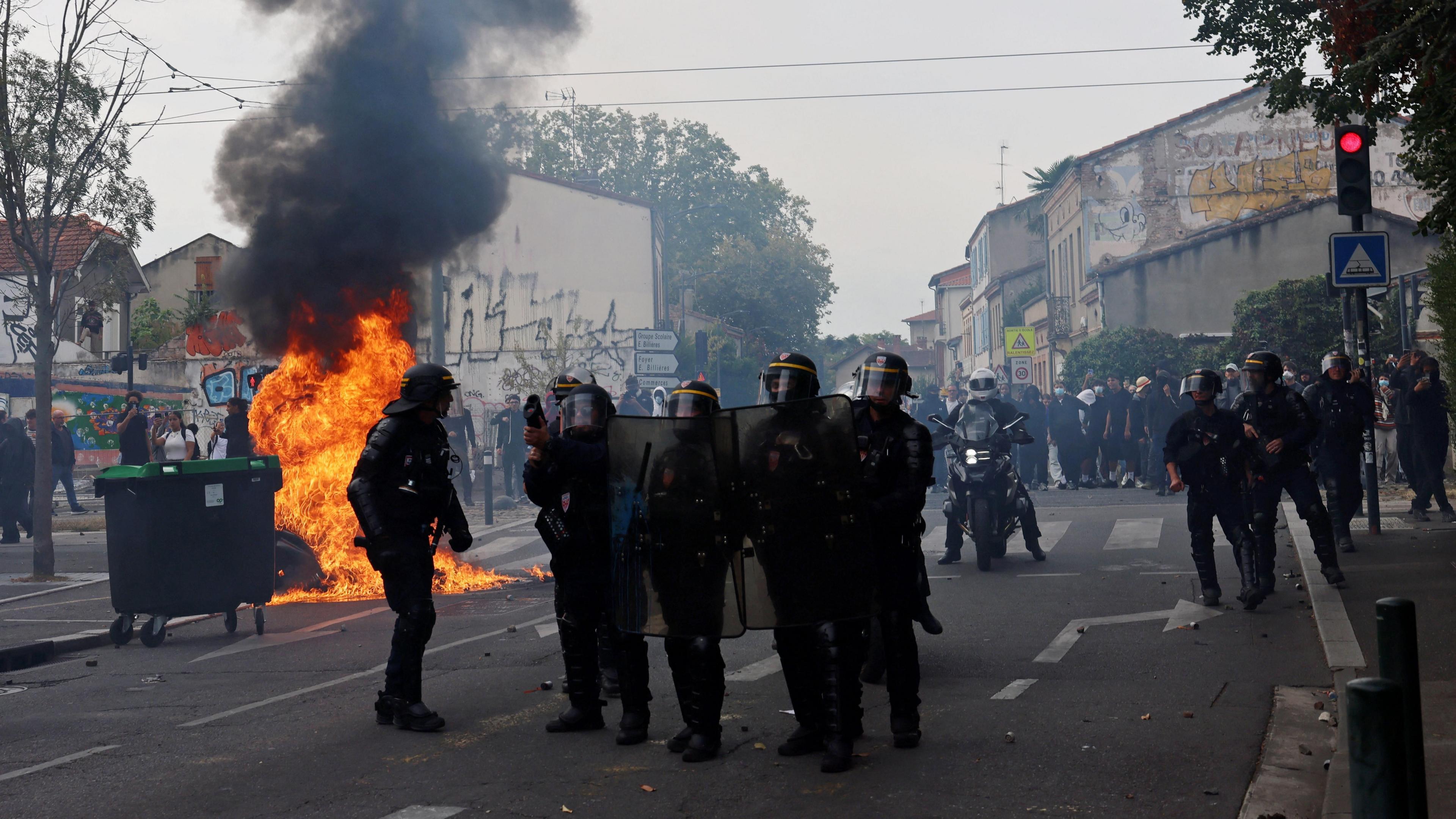
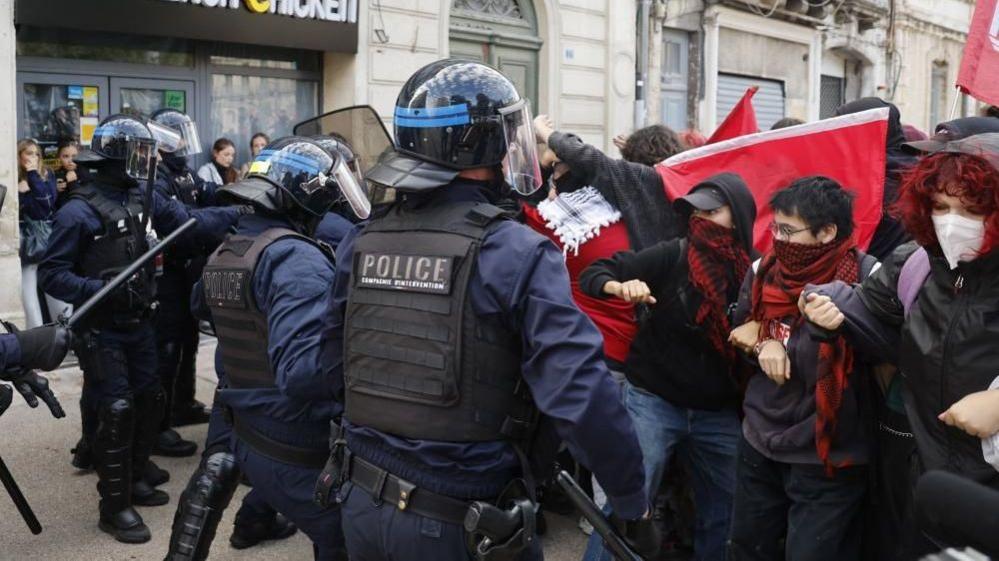
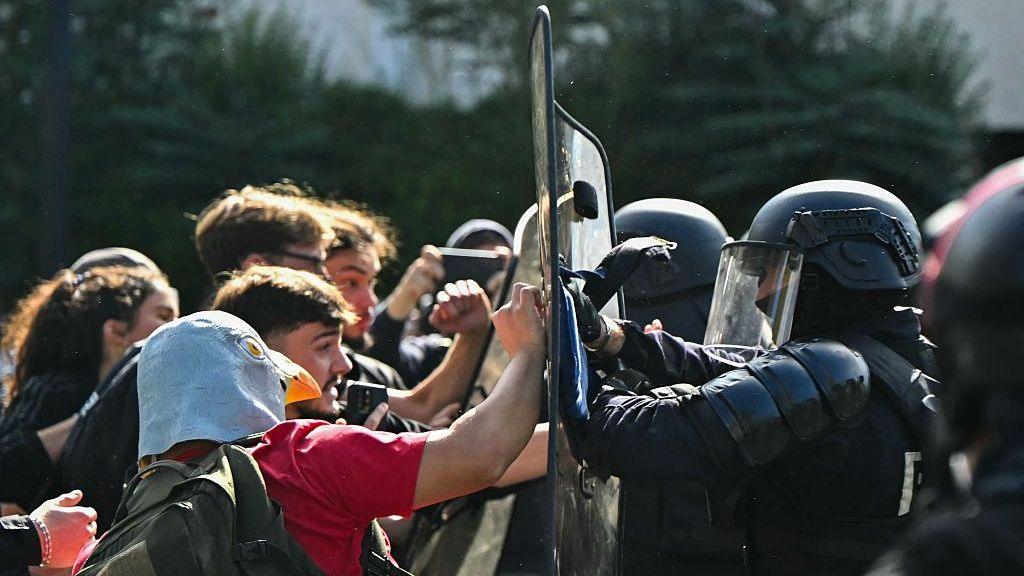
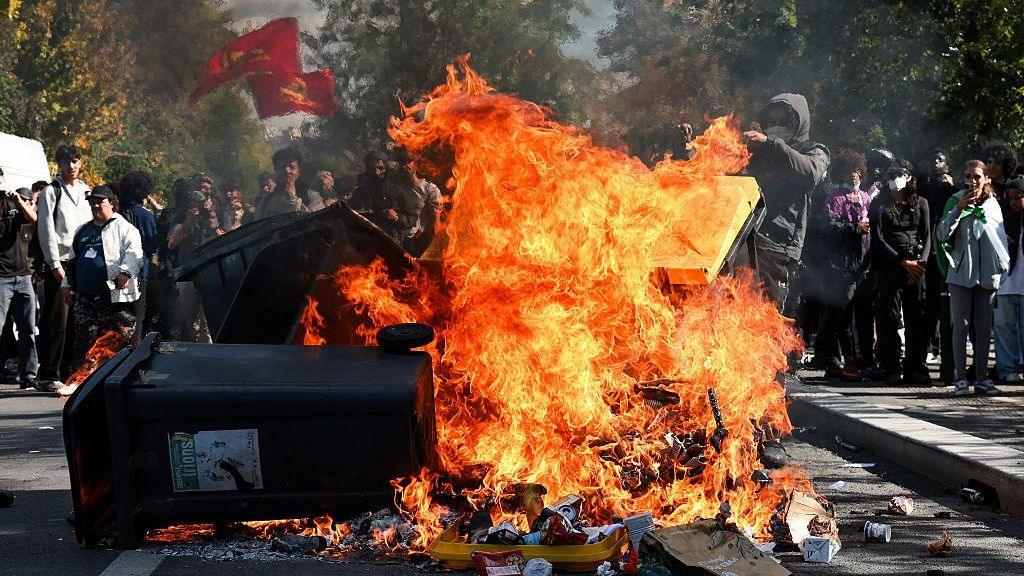
Police clashed with demonstrators in Lyon, Marseille and Rennes, with tear‑gassing reported in Paris and Marseille and water‑cannons fired in the northern city of Rennes. While the violence was comparatively restrained to earlier disturbances, it nonetheless led to hundreds of injuries: prime minister Sébastien Lecornu confirmed that 215 students and 85 teachers had been hurt, and 715 police officers suffered injuries.
Official estimates of school disruptions vary. Government statistics list 891 high schools shut on Tuesday, representing nearly a quarter of all lycées, while student unions claim 1,800 schools were blockaded during the same day. More than 250,000 people reportedly marched on that single day, with a student‑union estimate ranging to 450,000 participants as the protests entered a third phase.
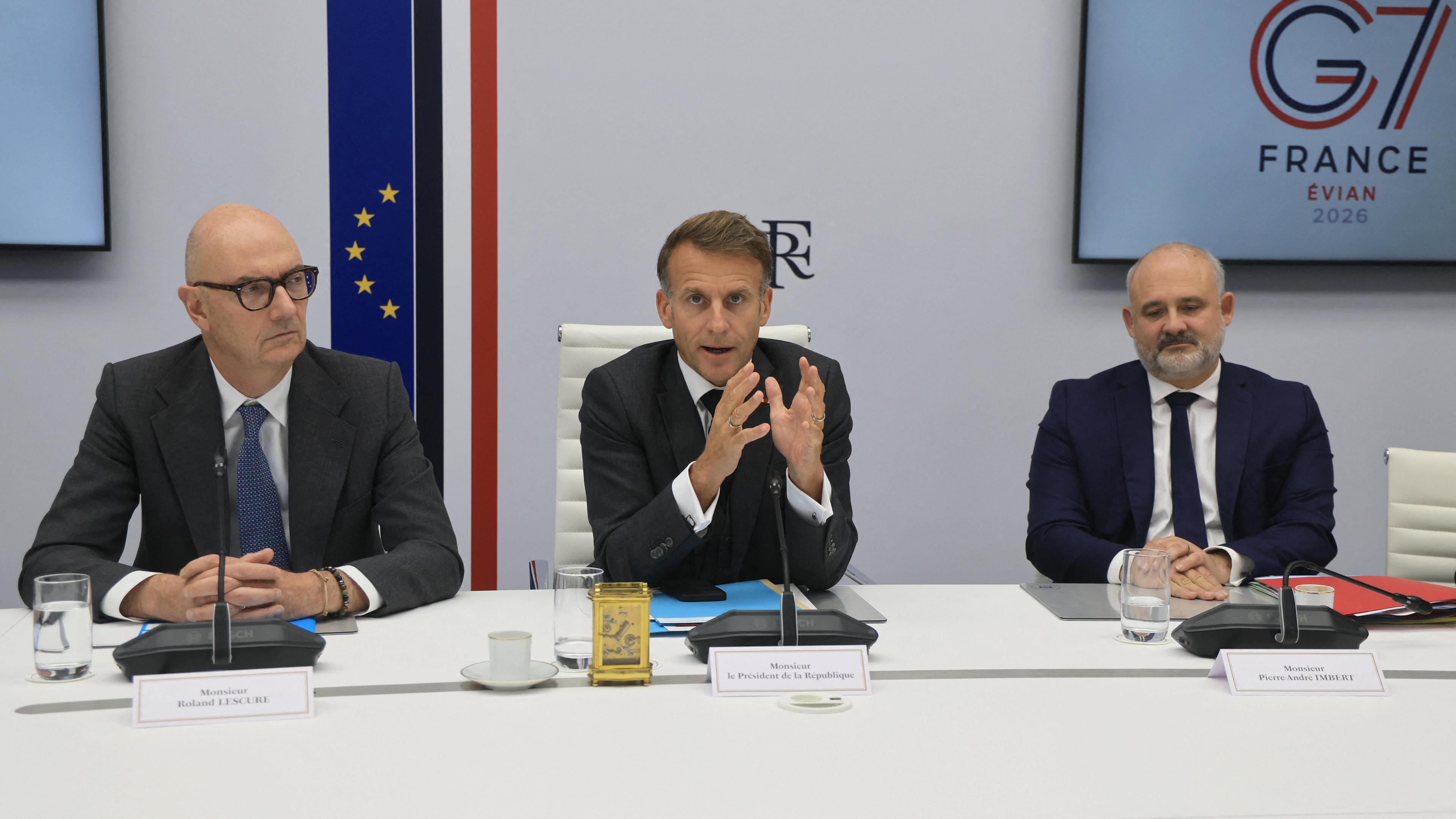
The political stakes are high as France approaches the second phase of the presidential election. Prime Minister Lecornu has accused the France Unbowed (LFI) party of seeking to sow chaos, with LFI’s Jean‑Luc Mélenchon currently leading polls behind Marine Le Pen of the National Rally. The government has called for a meeting of ministers at the Élysée Palace to address the unrest.
Students and parents blame poor infrastructure and a chronic lack of funding. “We’re fighting for the right to learn in viable buildings,” says Alissa, a 15‑year‑old from Marseille. Her friend Sacha notes that leaking ceilings and outdated facilities leave many students unable to focus on studies for long periods.
The violence has raised concerns over disproportionate use of force, and the Inspectorate of the General Police Inspectorate (IGPN) is investigating several incidents. Among them, a 14‑year‑old named Eden was severely injured after a tear‑gas canister struck him in the face during a blockade, and a 15‑year‑old’s hand was reportedly severed when an anti‑encirclement grenade exploded near a school in Lens.
Education Minister Édouard Geffray insists dialogue is the priority and mentions online platforms for grievances, but the protests show little sign of abating. The CGT trade union indicates that further demonstrations of students and universities are planned for the coming days.
In the meantime, the image of tight‑lipped students, masked protesters, and riot police in front of schools remains a stark symbol of the tug‑of‑war between a country’s educational hopes and the tensions that arise when those hopes are not met.