Late‑September sees a national strike
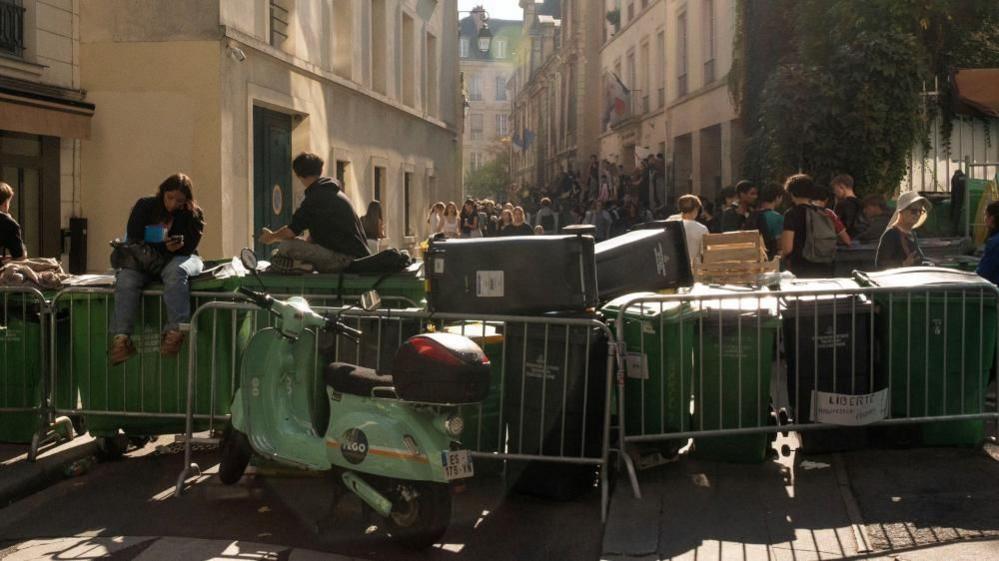
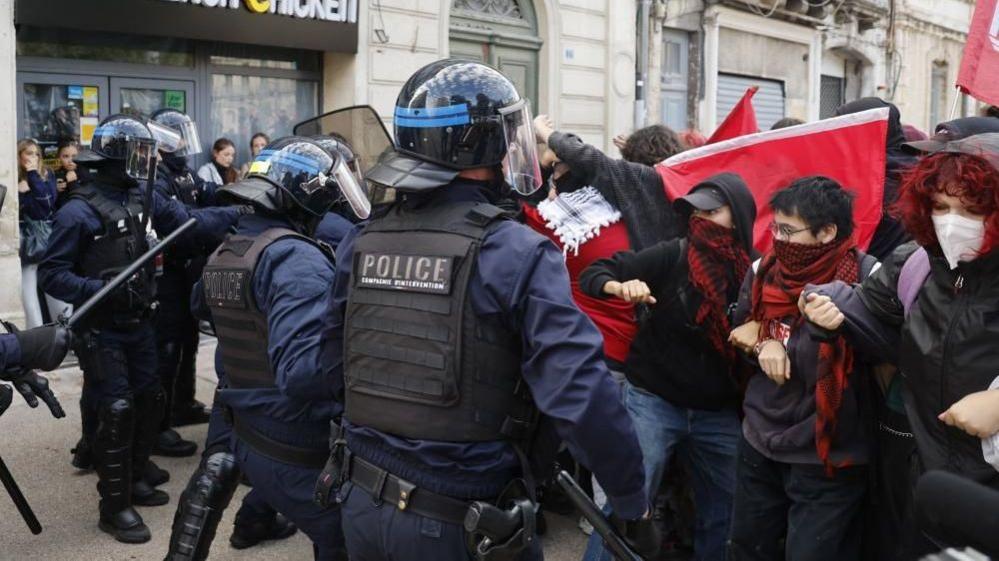
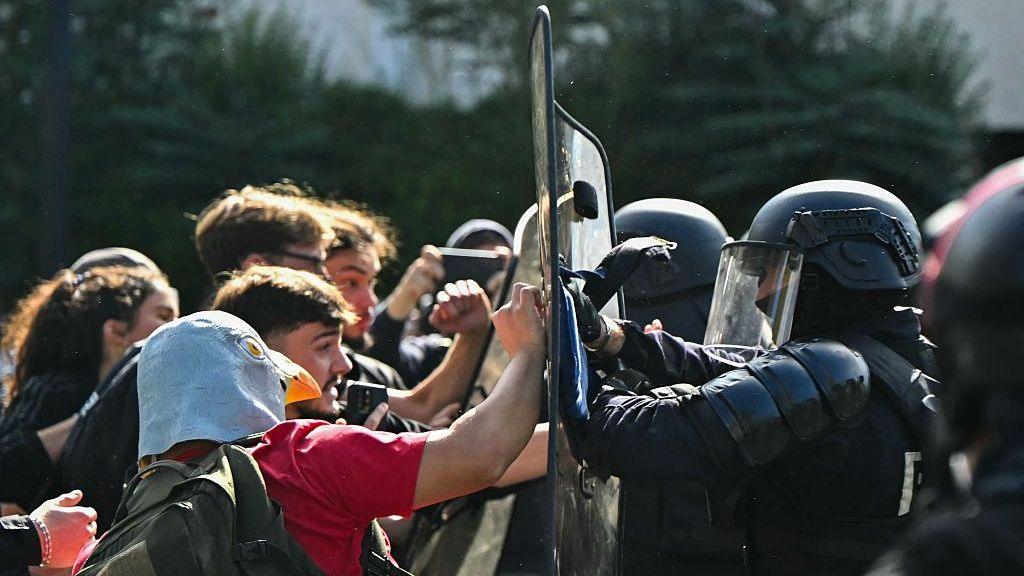
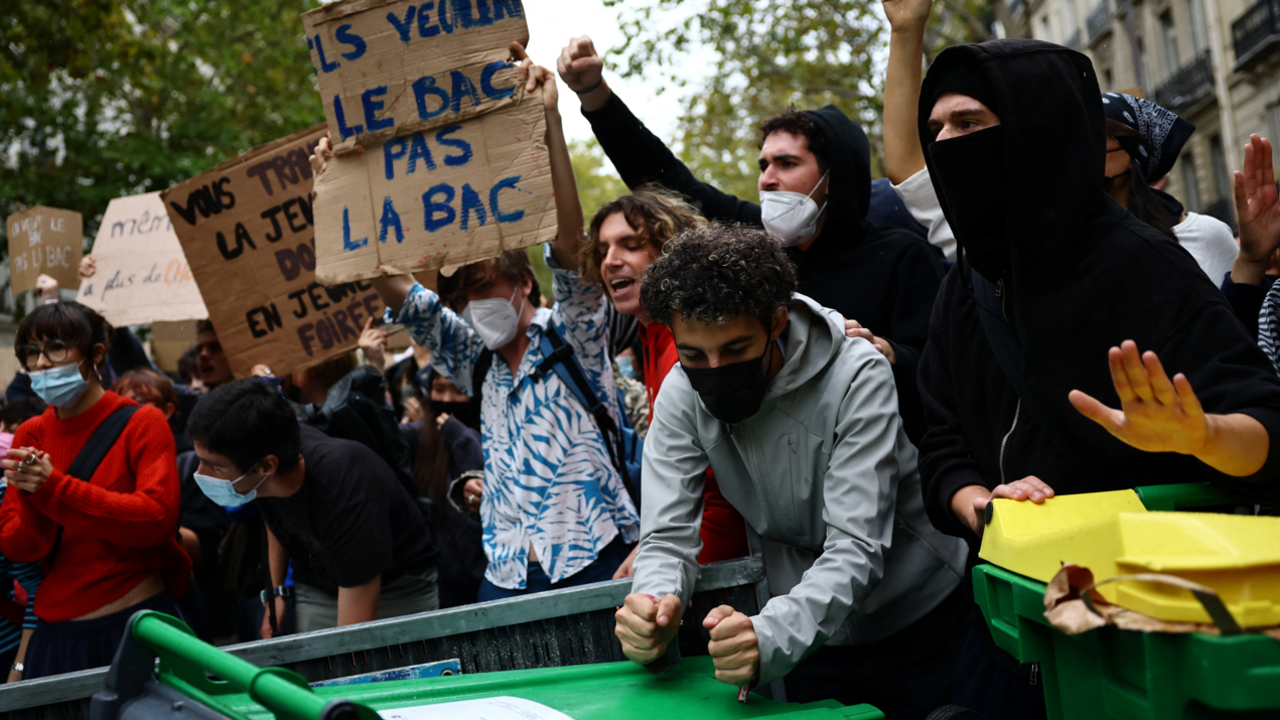
Students in every French region have taken to the streets, shutting down thousands of lycées. The movement began in reaction to a series of complaints about chronic underfunding, staff shortages and poorly maintained school buildings.
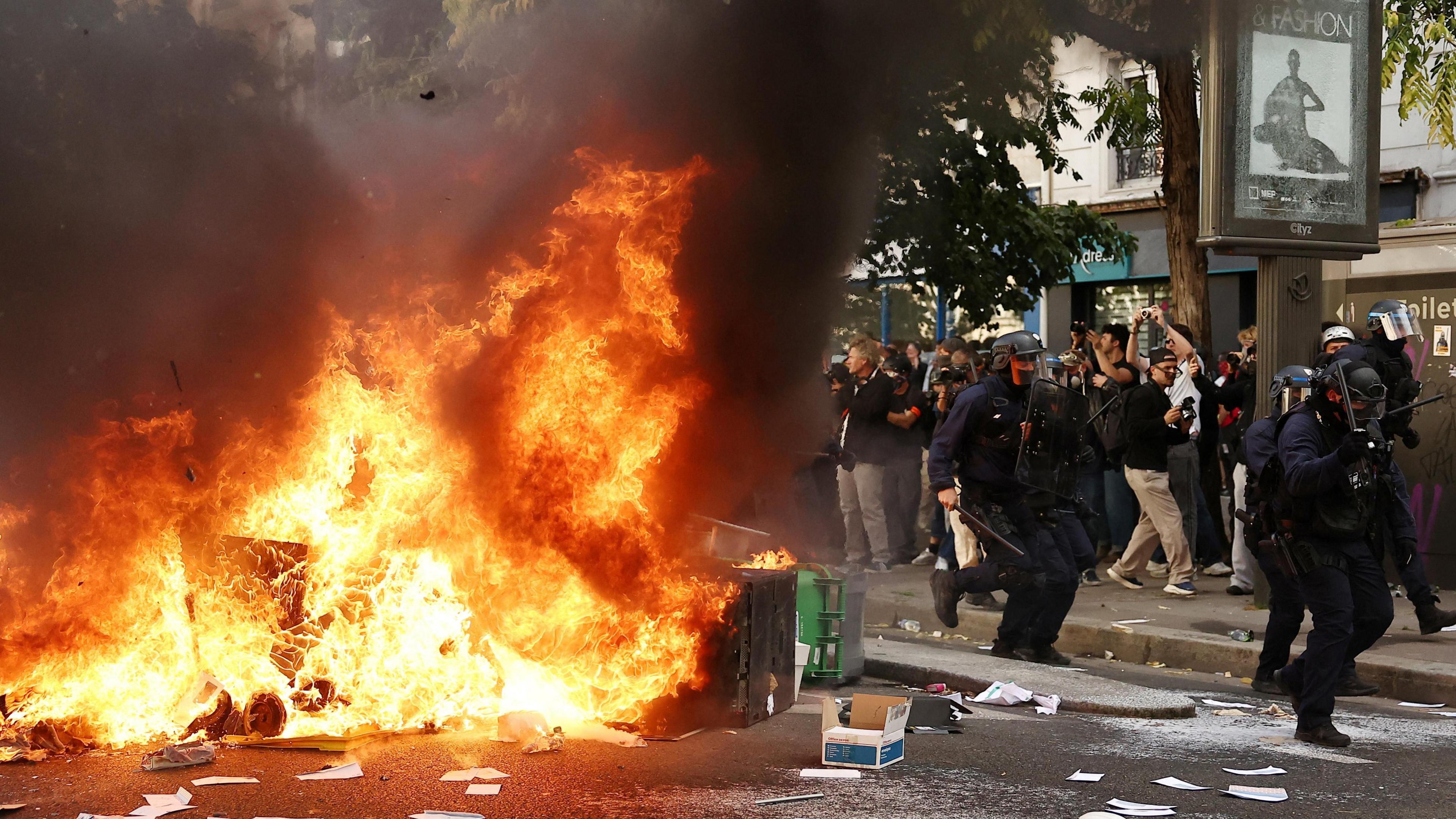
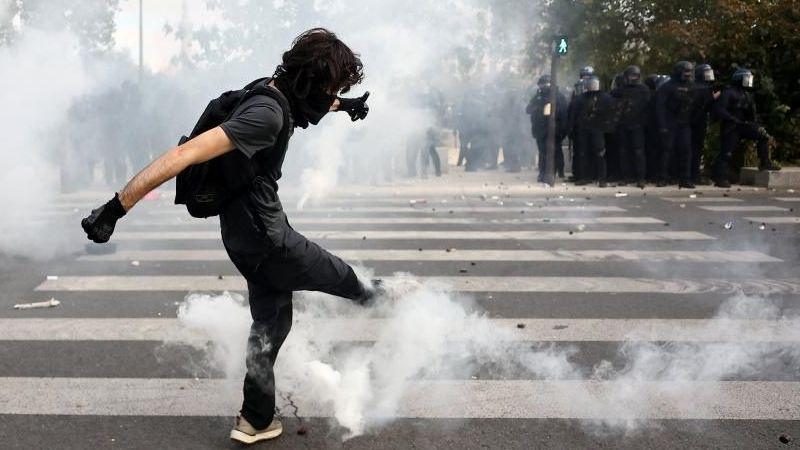
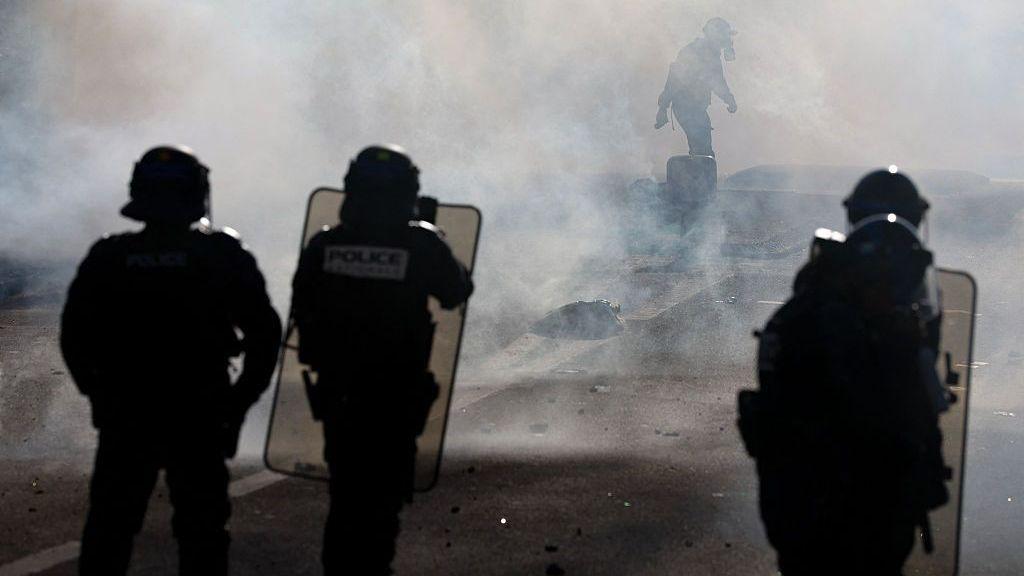
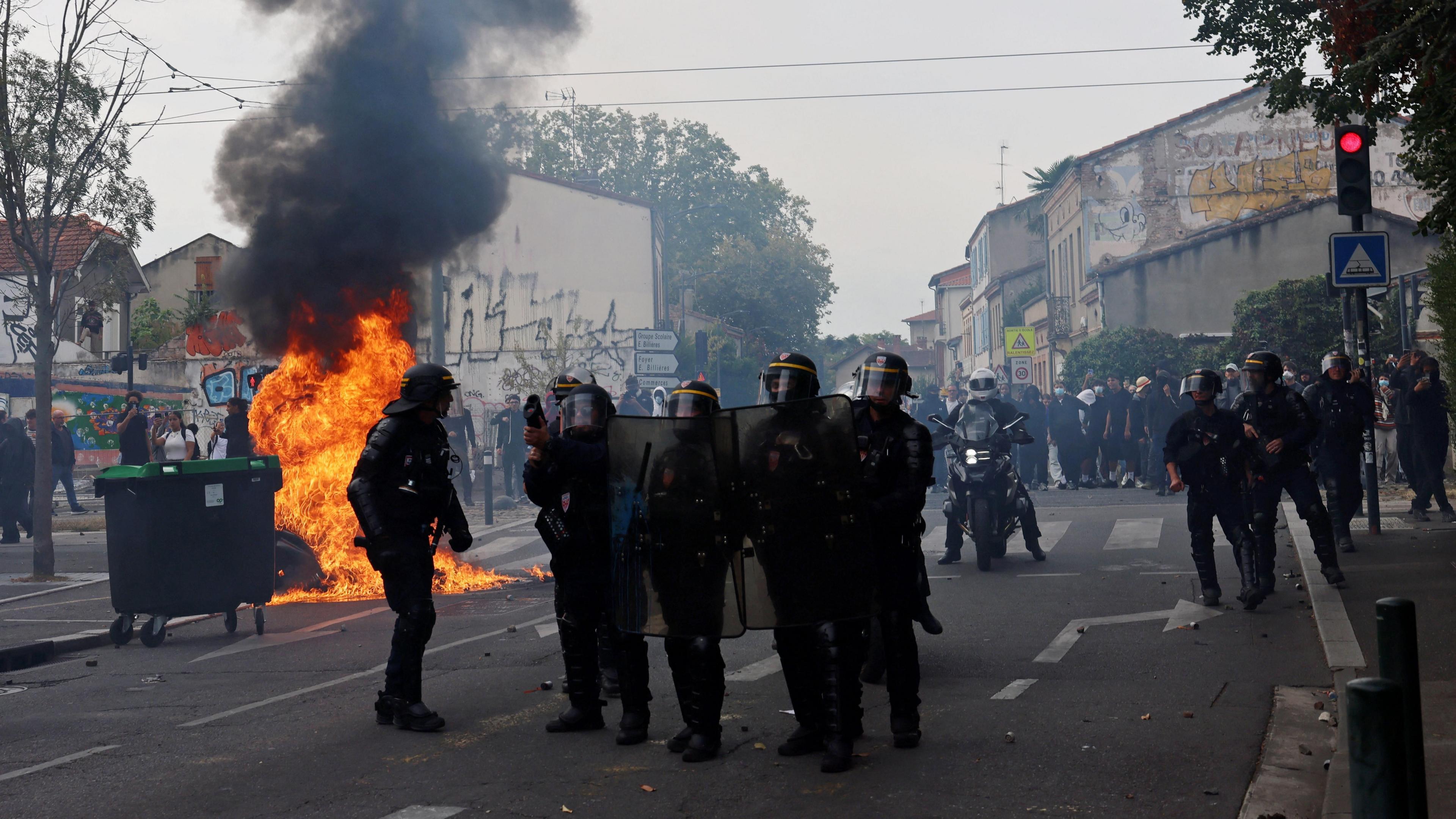
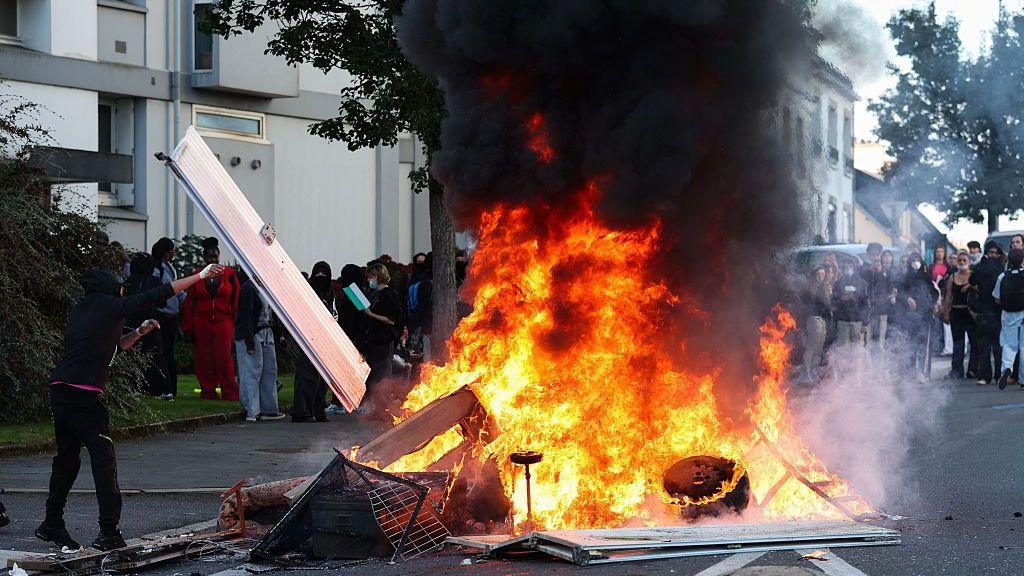
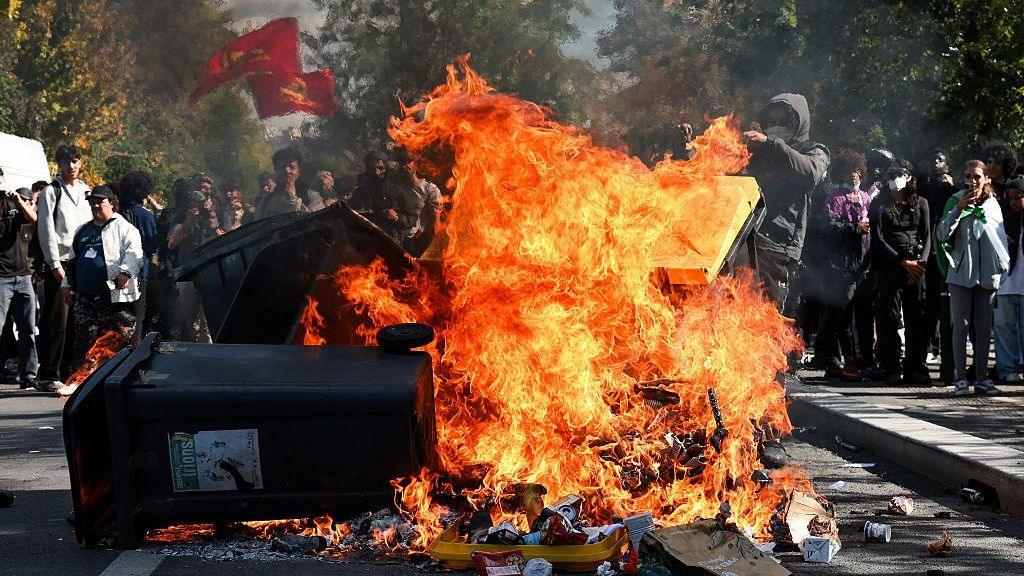
Violence has erupted in a handful of campuses, leaving hundreds of students, teachers and police officers hurt. Police reports record around 500 arrests, including some who did not take part in the demonstrations.
“The teachers skip weeks without substitutes,” said a Paris student, while teachers at several schools complained of classrooms “boiling hot” during recent heat waves. Other grievances include mandatory mobile‑phone bans, school days that end at 18:00 and the opaque Parcoursup application system that fills 80 % of baccalauréat passers with university places that may not match their preferences.
It might not be simple to pin the unrest on these points alone. According to the OECD, France actually spends the most per lycée student compared with the EU. However, the country still experiences the widest teacher vacancies and varies in pay, a mix that keeps the stress high for young people who see themselves backed by fine research but a broken bureaucratic route to higher education.
More than a school‑budget debate, the protests tap into a long‐standing tradition. In 1990 a rape at a school in Seine‑Saint‑Denis ignited a nationwide student rally, and in 1998 half a million pupils marched for a €1‑billion renovation package. French political culture has repeatedly turned to the street for redefining public policy; student blockades once overthrew a university overhaul in 1986 and halted a bill in 1994 that would have lowered the minimum wage for youth.
A recent public opinion poll found 72 % of French people view the students’ demands as legitimate and 55 % support their cause, underscoring the movement’s broad resonance.
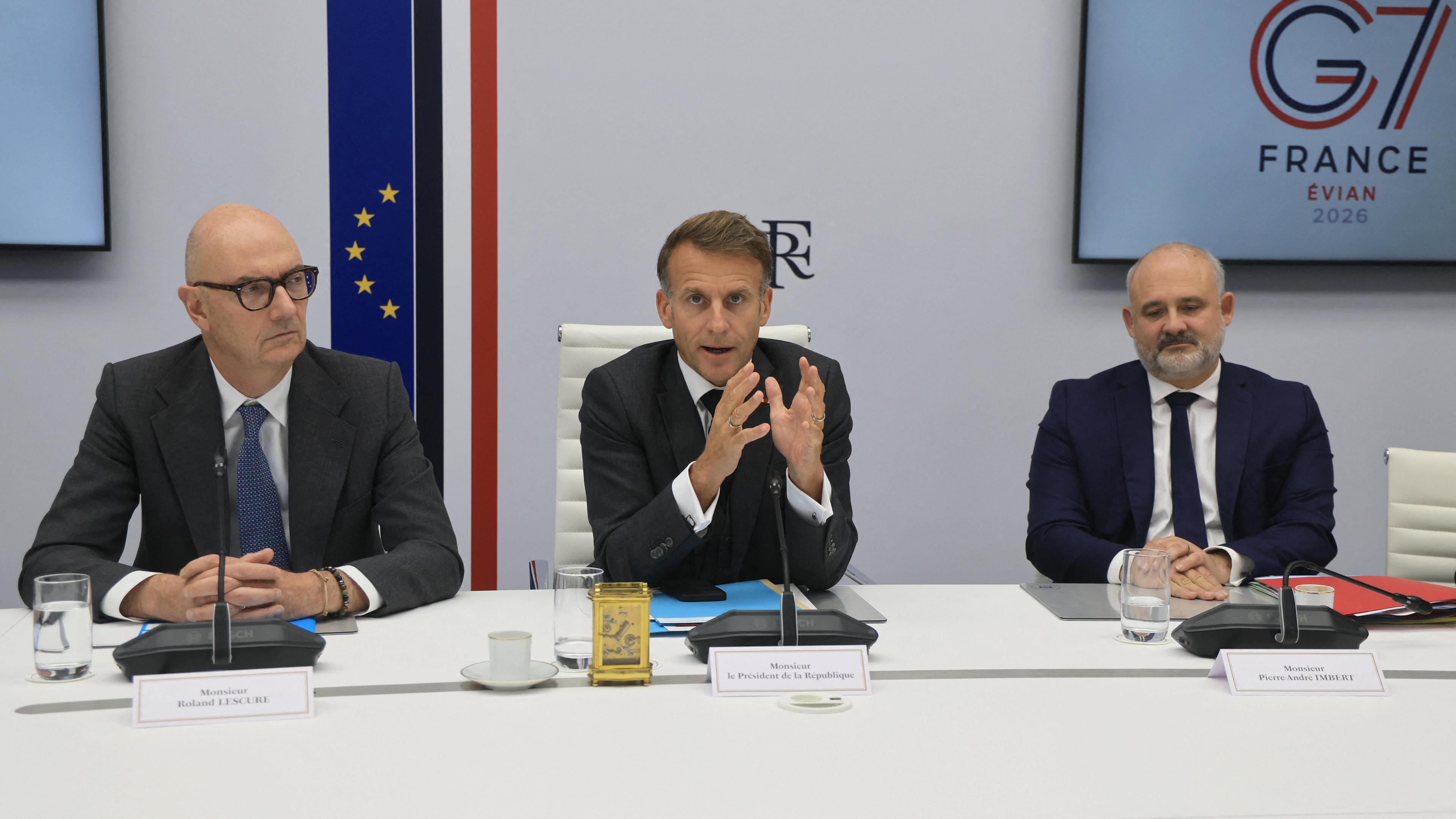
On the government side, Prime Minister Sébastien Lecornu faces a difficult balancing act. He has publicly said security forces are not ordering confrontation, only protection of the law. Yet his mandate is limited: the nation’s debt sits at its highest level since the 1940s, the deficit is 5.4 % of GDP, and a snap election in June 2024 has left parliament gridlocked. His awkward position may reduce the capacity to deliver the needed stimulus to education.
For a country that swore in the United Nations to push for universal high‑school education, the current situation threatens to derail the EU’s commitment – and the protests have reached a scale not seen since the 1968 student uprising, which ultimately ended only after close elections.
Several more rallies are scheduled for the coming week – with thousands predicted to turn up again, pushing the stakes higher for a government that already feels financially and politically constrained.
In sum, the student movement in France is proving that modern protest still can blast policy from the streets, especially when the foundations of public education are contested. The ACA government’s responses will be pivotal, as will the degree to which tangible reforms can be negotiated from the avenues to the parliament. The river of French student activism shows no signs of slowing.