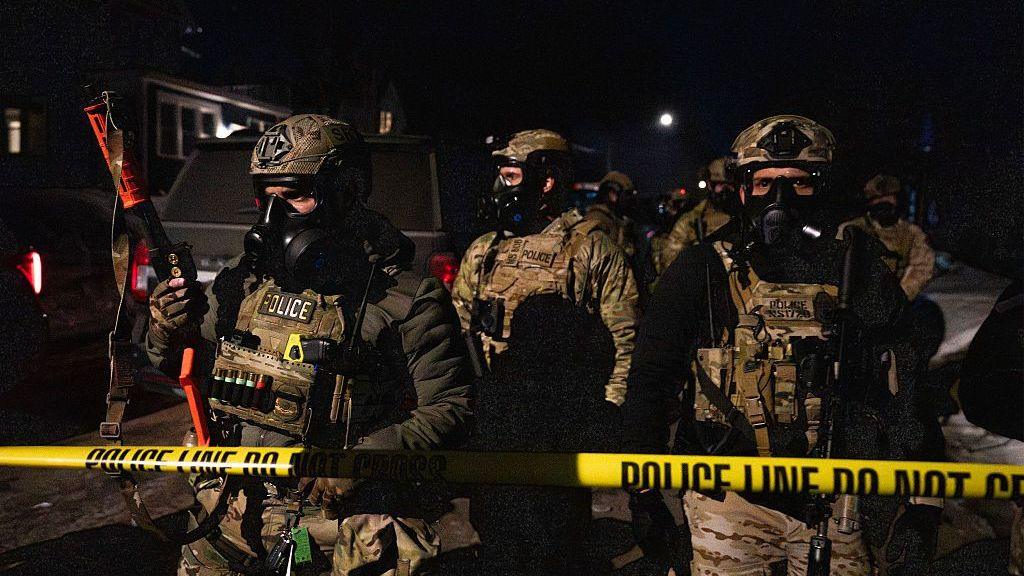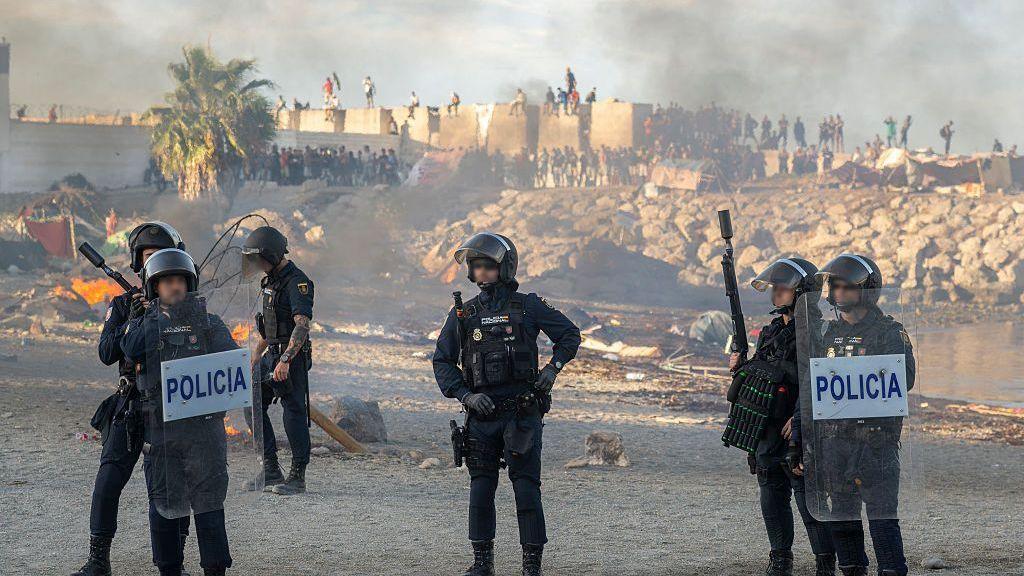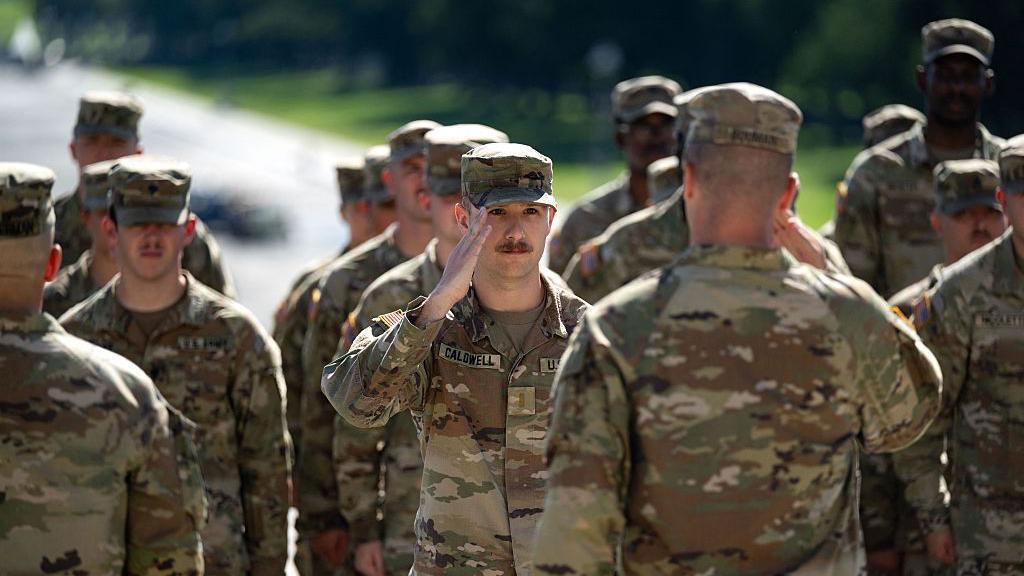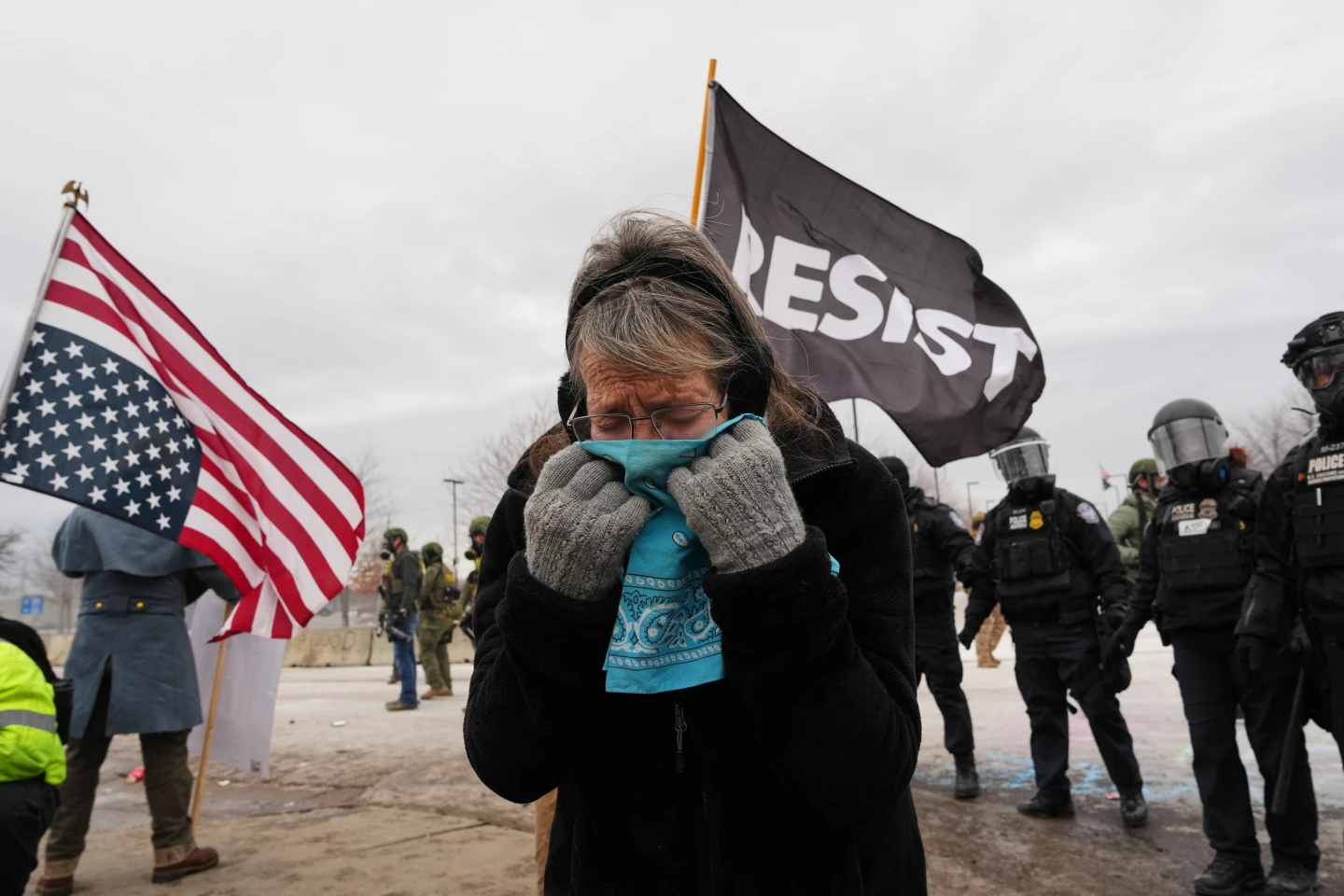
In Minneapolis, recent protests have turned increasingly tense as federal immigration agents employed aggressive crowd-control tactics, including wielding rifles at demonstrators and using chemical irritants early in confrontations. The government argues that these methods are necessary for officer protection during what they perceive as threatening situations.
However, law enforcement experts have raised alarm over these tactics, highlighting that they escalate risks and are often executed by agents lacking detailed training in crowd management. Eyewitness accounts and viral videos depict agents smashing car windows and forcibly removing occupants amidst protests, actions typically reserved for specific arrest situations rather than mass gatherings.
The unrest follows the Trump administration's directive that intensified immigration enforcement in early December, deploying over 2,000 officers into the Minneapolis-St. Paul area. Most of these officers traditionally focus on arrests and deportations rather than managing public demonstrations.
This scenario mirrors a growing trend in federal approaches to protests, wherein Immigration and Customs Enforcement (ICE) agents replace local police in ensuring public order. Experts argue this method contradicts modern de-escalation practices, potentially transforming protests into life-threatening events.
The upsurge in protests stemmed from a fatal incident involving Renee Good, a 37-year-old woman shot by an immigration officer, which escalated scrutiny on the federal forces' response. Protests in her memory have invoked demands for legal intervention. The American Civil Liberties Union (ACLU) of Minnesota is currently pursuing an emergency injunction aiming to limit federal agents' operations during protests.
Former ICE Director Sarah Saldaña indicated that current operations deviate markedly from traditional immigration enforcement approaches. While officers receive some training for public interactions, dealing with crowd dynamics is not their expertise.
Experts like Ian Adams emphasize that most suitable training for crowd management resides within local police forces, questioning whether ICE agents possess comparable skills in handling public order. Many view the existing practices—pointing guns at unarmed protestors and deploying chemical agents—as inadequate and potentially hazardous.
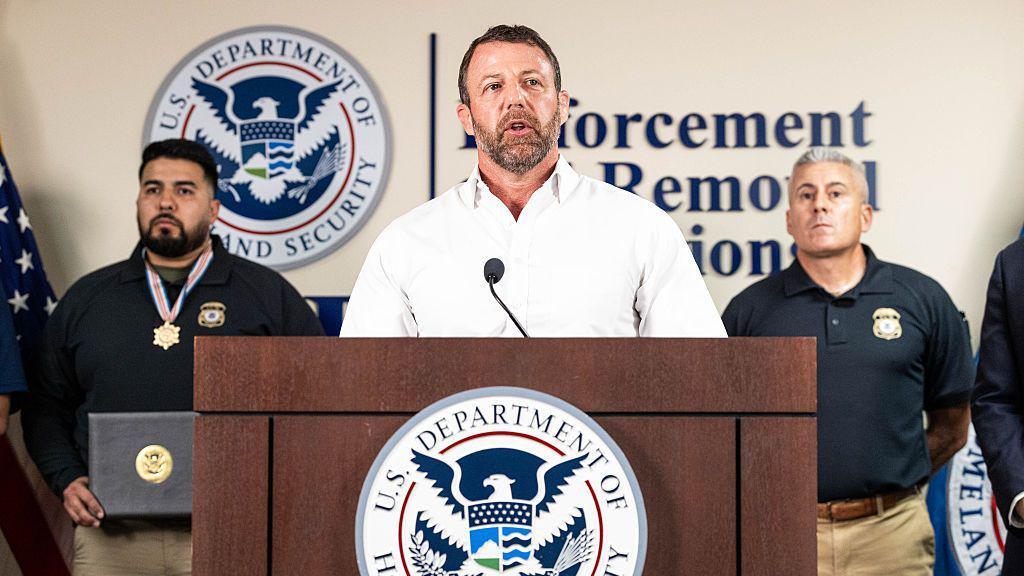
Federal Homeland Security Secretary Tricia McLaughlin contends that ICE agents undergo substantial training in conflict management, but critics argue that current federal enforcement strategies lack accountability and do not adhere to recognized best practices in crowd control.
Despite improvements in policing tactics over the past several decades, multifaceted standards for handling public protests still vary widely across jurisdictions. From prohibiting direct chemical sprays on individuals to barring agents from using force unnecessarily, the absence of a unified national strategy leaves room for mismanagement and potential violence.
Ultimately, the escalating aggression from both law enforcement and protesting crowds raises fears of worsening the already volatile situation in Minneapolis.