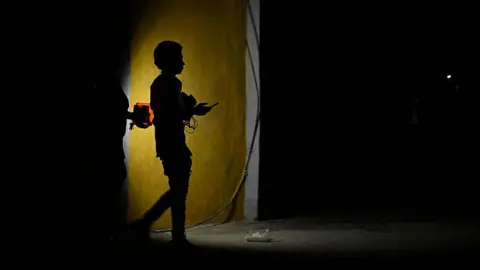
Millions in Cuba have been left without power after the national electric grid collapsed on Monday, the country's power operator stated. This incident marks the latest in a series of widespread outages that have plagued the nation, often attributed to chronic fuel shortages worsened by a recent US blockade on oil shipments to the island. UNE, Cuba's grid operator, is currently working on restoring electricity across various provinces and cities.
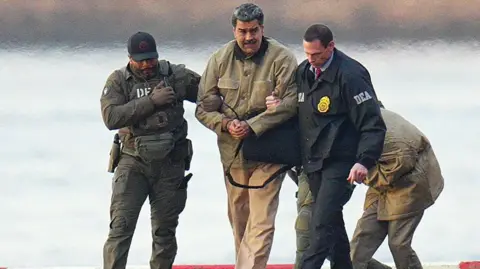
Cuba, an island nation with a population of around 10 million, has faced significant public discontent over frequent blackouts, which have triggered rare protests in recent years. The island heavily relies on imported fuel, with Venezuela previously supplying approximately 35,000 barrels of oil per day, fulfilling around half of Cuba's oil needs. However, these shipments have halted due to US actions following the capture of Venezuelan president Nicolas Maduro.
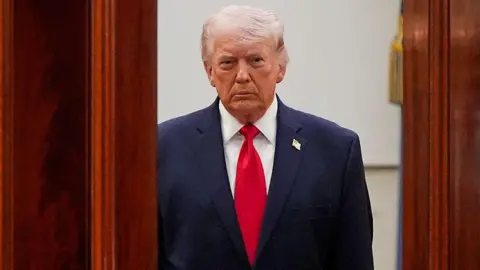
US President Donald Trump has intensified pressure on Cuba by seizing oil shipments headed for the island and has threatened tariffs against countries supplying oil to Cuba. As a result, no oil has arrived in Cuba for the last three months, according to Cuban president Miguel Diaz-Canel.
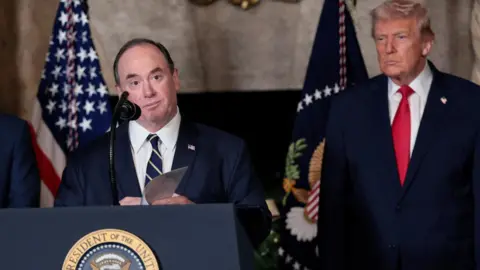
Trump has expressed a desire to intervene in Cuba, stating he would have the 'honor of taking Cuba' and has threatened a 'friendly takeover'. Amid this, President Diaz-Canel revealed that his government is in preliminary discussions with the Trump administration to address ongoing tensions.
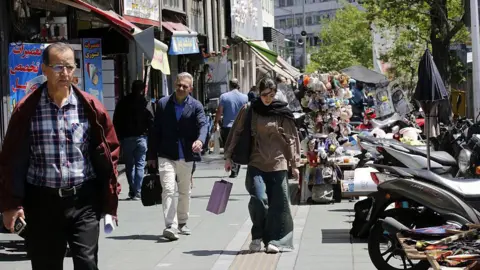
Widespread power outages, fueled by fuel shortages and grid malfunctions, continue to spark protests among the populace. Just last week, demonstrators stormed a Communist Party building in Moron, voicing their frustration over rising food prices and the persistent power cuts. Residents like one Havana resident express resignation, stating that they have become accustomed to living with such difficulties.}
Cuba, an island nation with a population of around 10 million, has faced significant public discontent over frequent blackouts, which have triggered rare protests in recent years. The island heavily relies on imported fuel, with Venezuela previously supplying approximately 35,000 barrels of oil per day, fulfilling around half of Cuba's oil needs. However, these shipments have halted due to US actions following the capture of Venezuelan president Nicolas Maduro.
US President Donald Trump has intensified pressure on Cuba by seizing oil shipments headed for the island and has threatened tariffs against countries supplying oil to Cuba. As a result, no oil has arrived in Cuba for the last three months, according to Cuban president Miguel Diaz-Canel.
Trump has expressed a desire to intervene in Cuba, stating he would have the 'honor of taking Cuba' and has threatened a 'friendly takeover'. Amid this, President Diaz-Canel revealed that his government is in preliminary discussions with the Trump administration to address ongoing tensions.
Widespread power outages, fueled by fuel shortages and grid malfunctions, continue to spark protests among the populace. Just last week, demonstrators stormed a Communist Party building in Moron, voicing their frustration over rising food prices and the persistent power cuts. Residents like one Havana resident express resignation, stating that they have become accustomed to living with such difficulties.}