What we know about deadly Nepal‑Tibet floods
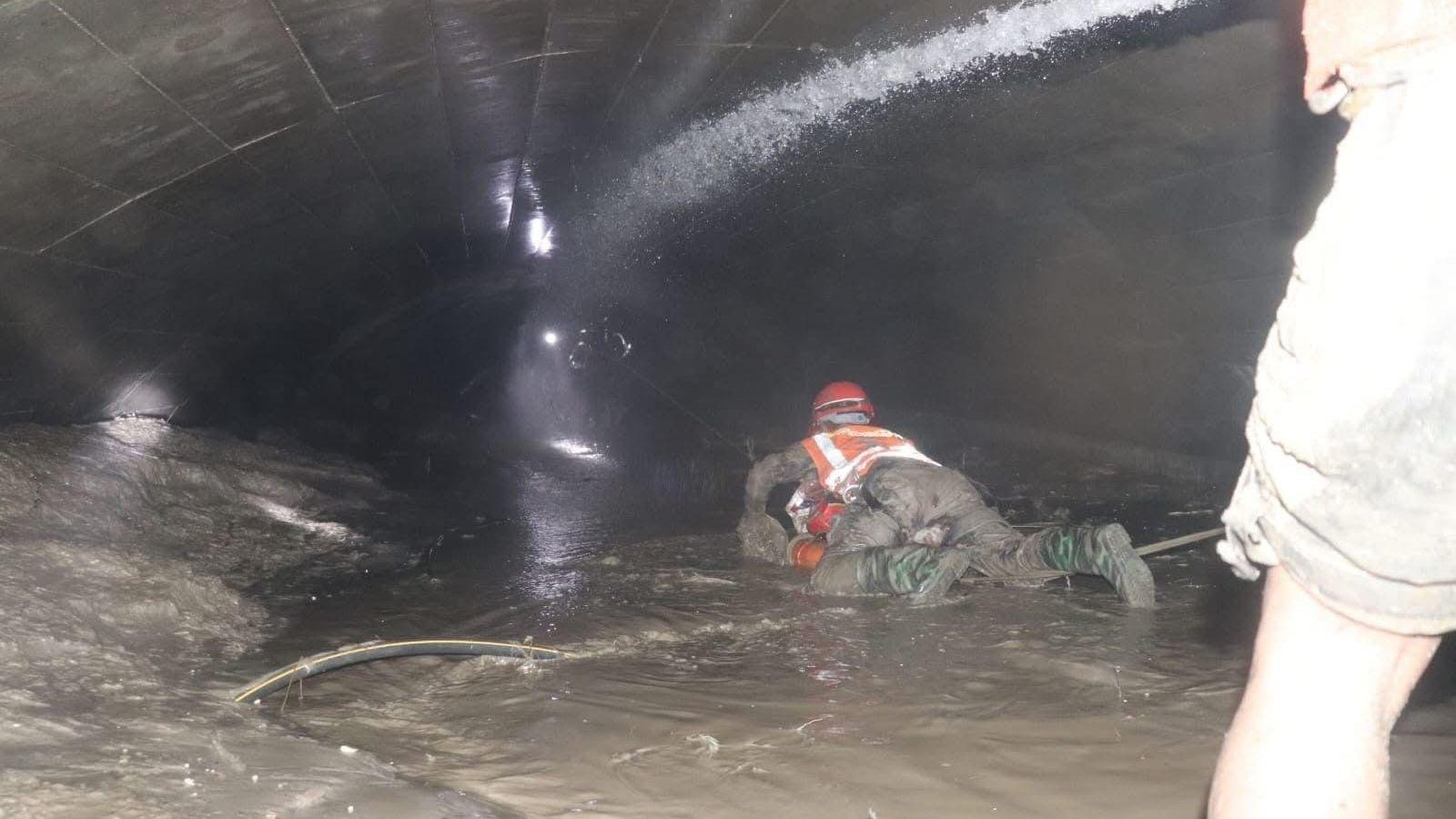
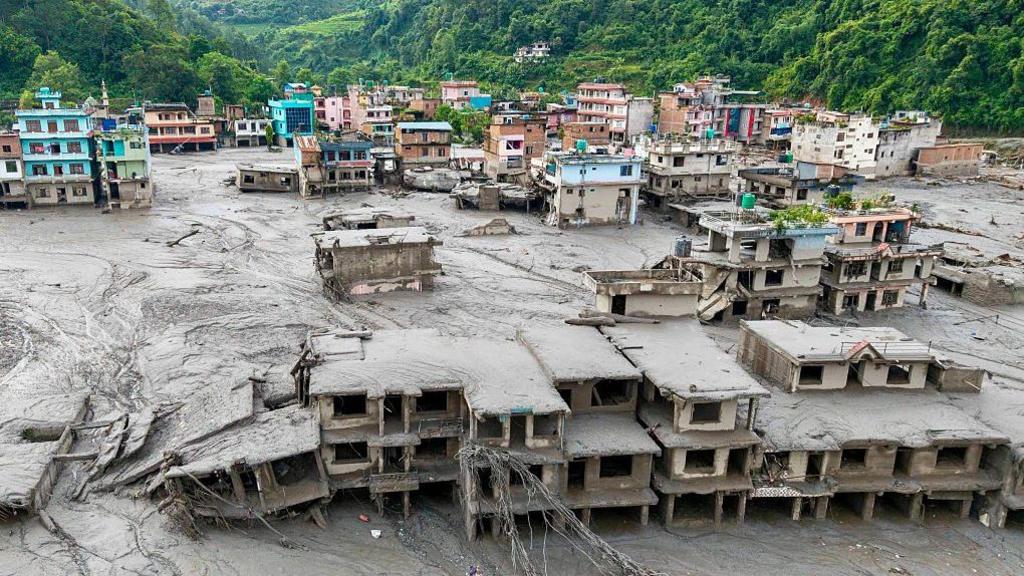
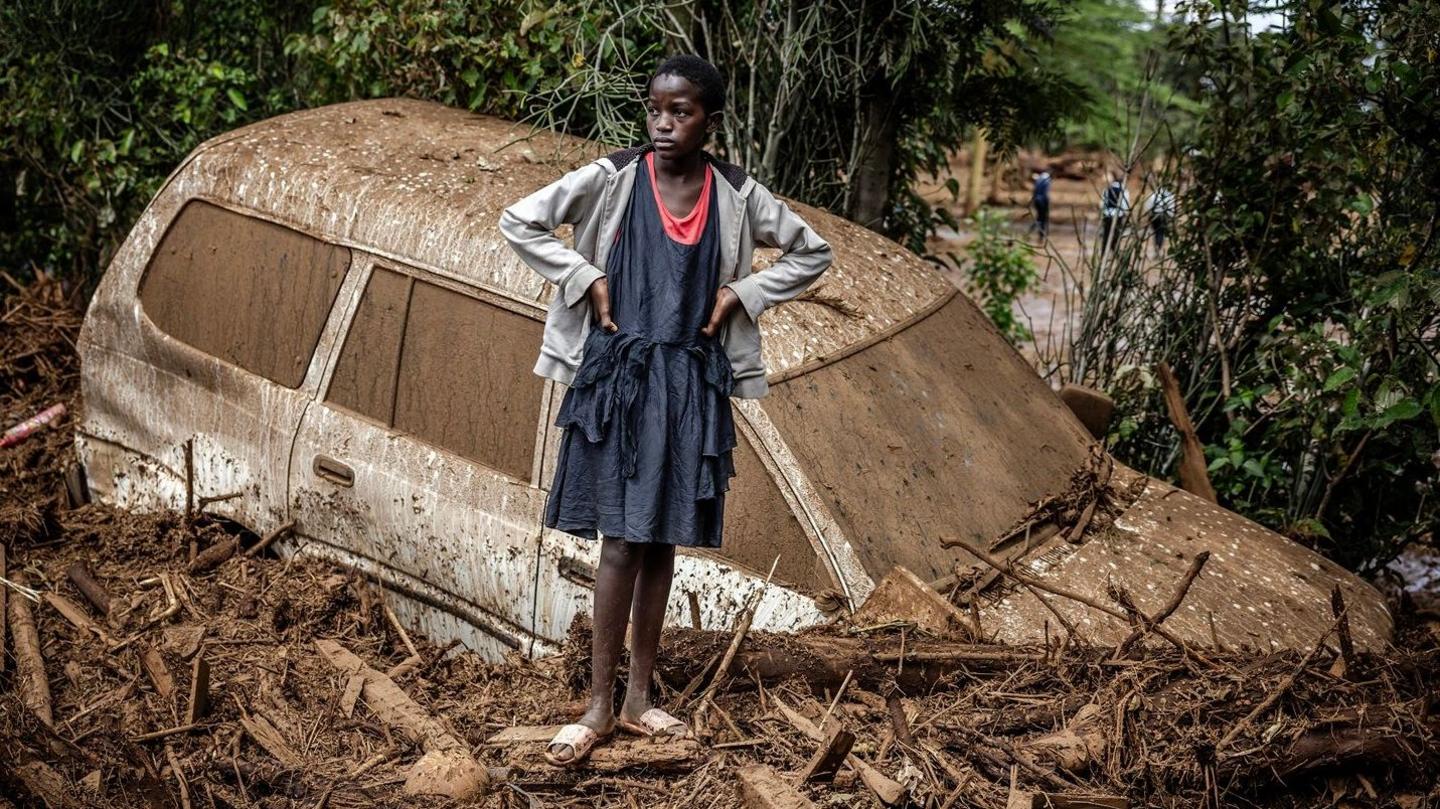
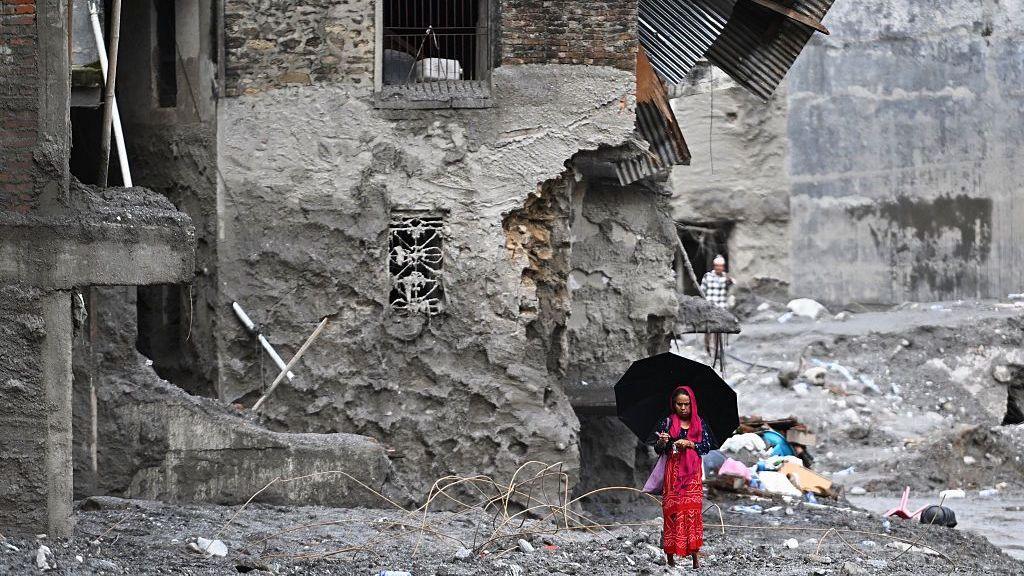
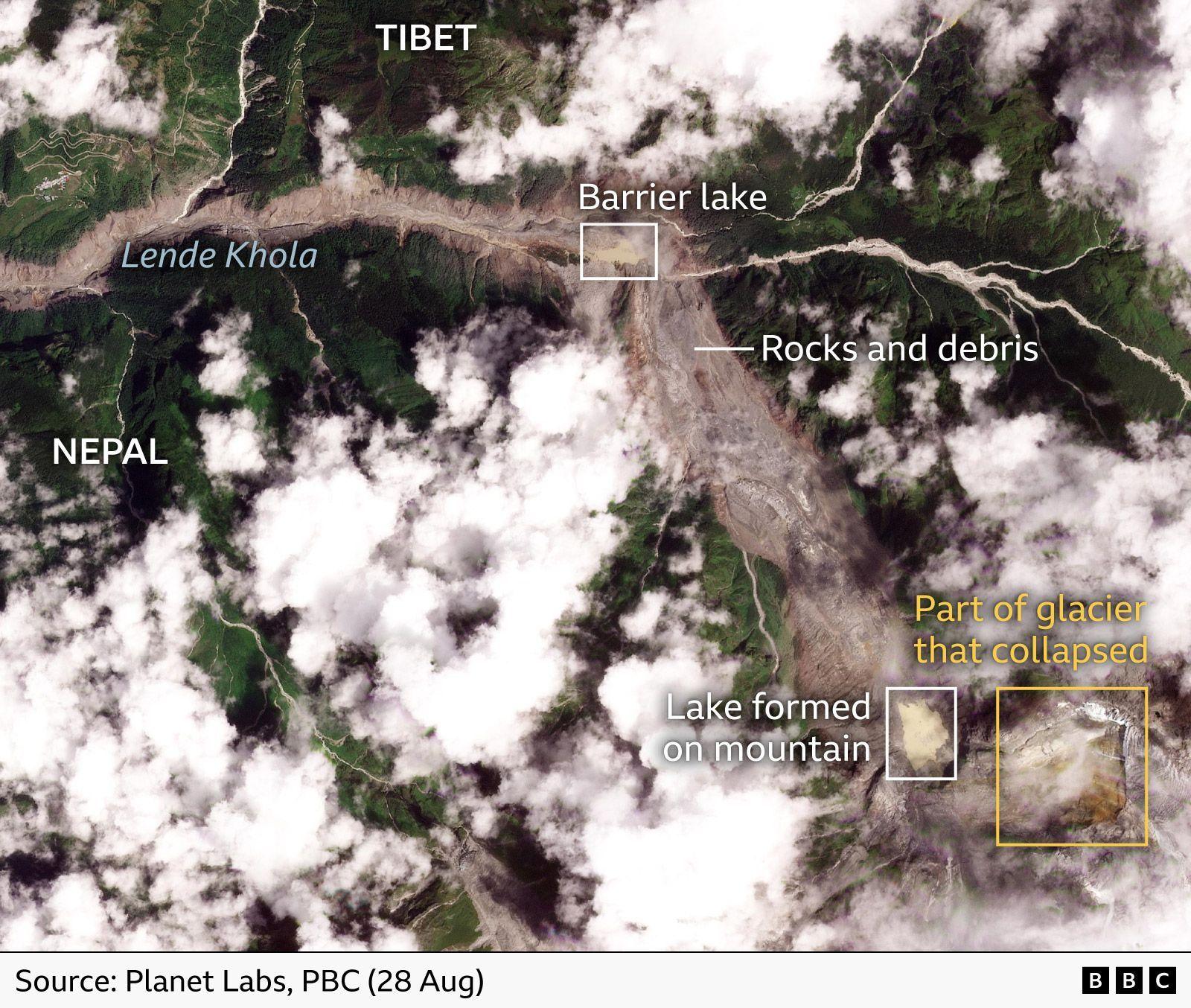
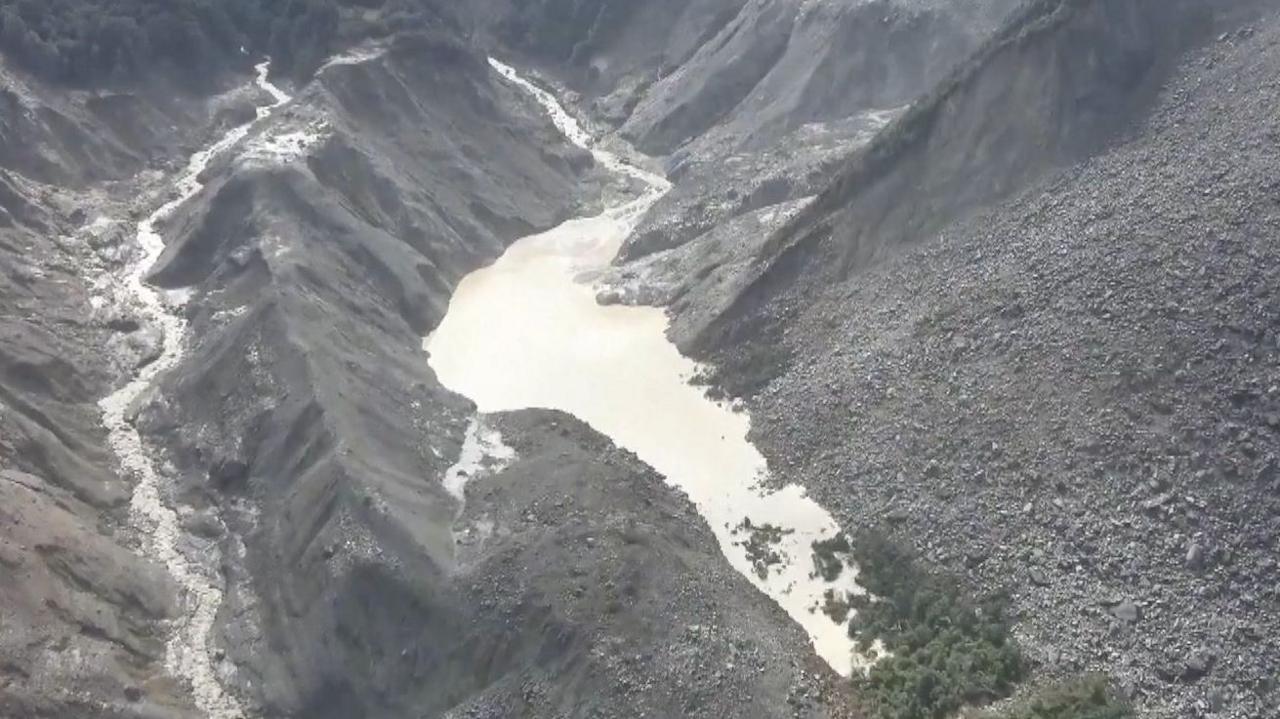
Massive landslides and flash floods along the Nepal‑Tibet border have caused widespread damage, claiming hundreds of lives and leaving many people missing. Rescue teams work through the chaos, while a threatened lake behind the glaciers threatens a second wave of flooding.
What caused the deadly landslide?
Early reports blamed an earthquake, but the US Geological Survey confirmed the disaster was a glacial collapse. The collapse released a massive volume of ice and rock, which overloaded the river systems with debris, creating a hydraulic shock and a 5.2‑magnitude event.
How many people are dead and missing?
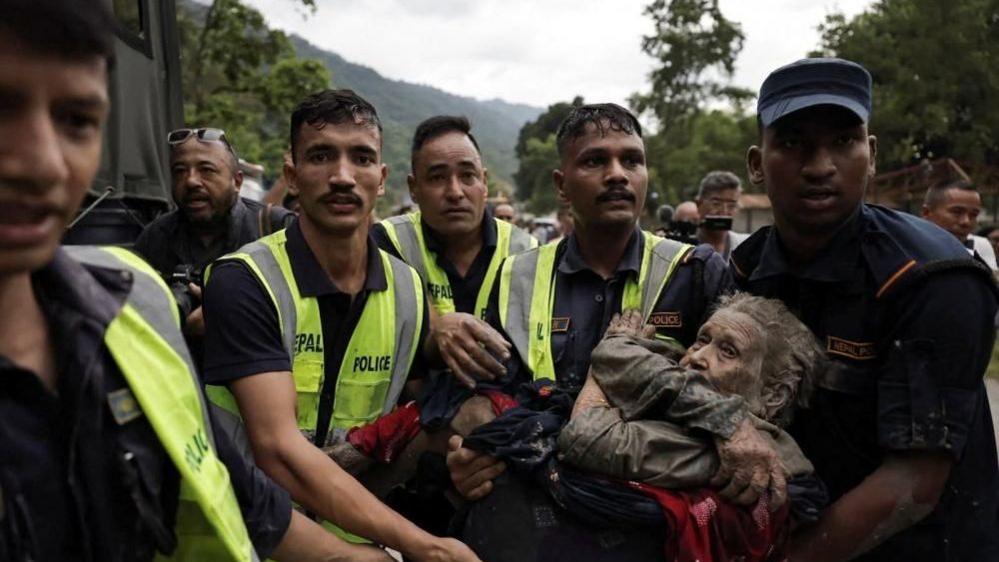
At least 469 people died according to Nepali police, with 910 still missing. Among the missing, 517 were foreigners, 44 Nepali army personnel, and 28 police officers. The Nepal Tourism Board reports 644 tourists missing, including 33 British, 33 Canadians, and 44 Americans.
What countries are the missing tourists from?
- India: 288 nationals requested missing.
- China: almost 100 Chinese nationals missing.
- United States: 65 Americans reported missing.
- Ukraine: 53 Ukrainian nationals missing.
- Malaysia: 51 Malaysians traveling with a tour group missing.
- Australia: 39 Australians missing.
- United Kingdom: 33 British tourists missing.
- Canada: 24 Canadians missing.
- Smaller numbers of South Korea, South Africa, Portugal, the Netherlands and New Zealand nationals are also missing.
How are governments responding?
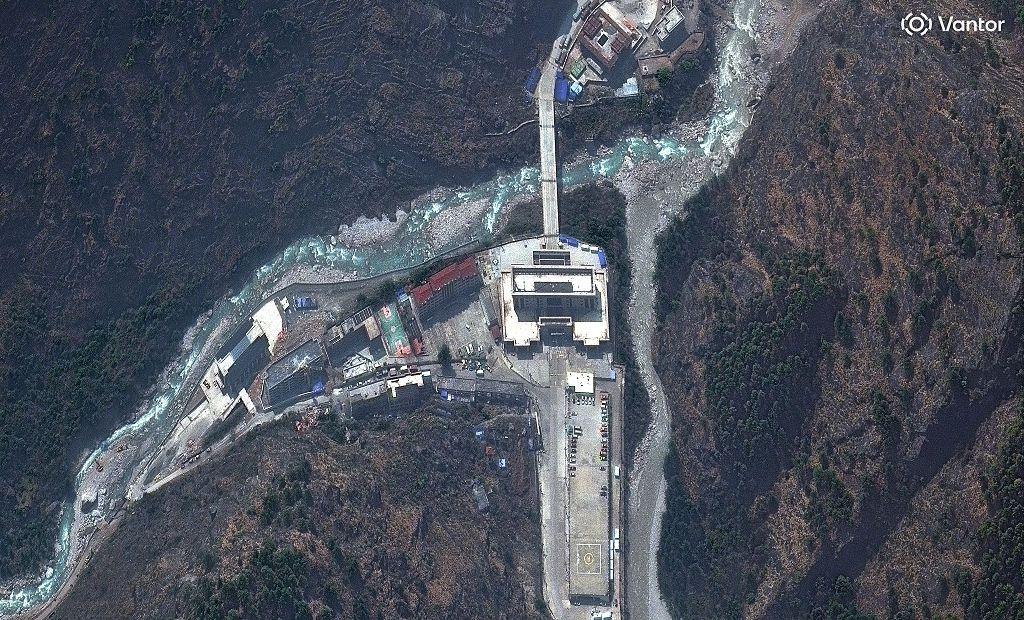
The Nepal Prime Minister announced national shock and coordination with China. President Xi Jinping called for an "all‑out" search effort and pledged better monitoring. India’s Narendra Modi pledged humanitarian aid, while the US offered $500,000 for emergency shelter and water supplies. The UK has offered £5 million in support and will assist its citizens.
UN Secretary‑General António Guterres expressed deep sadness and ensured that UN teams were mobilising in Nepal. Chinese Premier Li Qiang arrived in Gyirong to oversee rescue operations. Meanwhile, the International Centre for Integrated Mountain Development (ICIDMOD) warned of potential secondary flooding and urged caution.