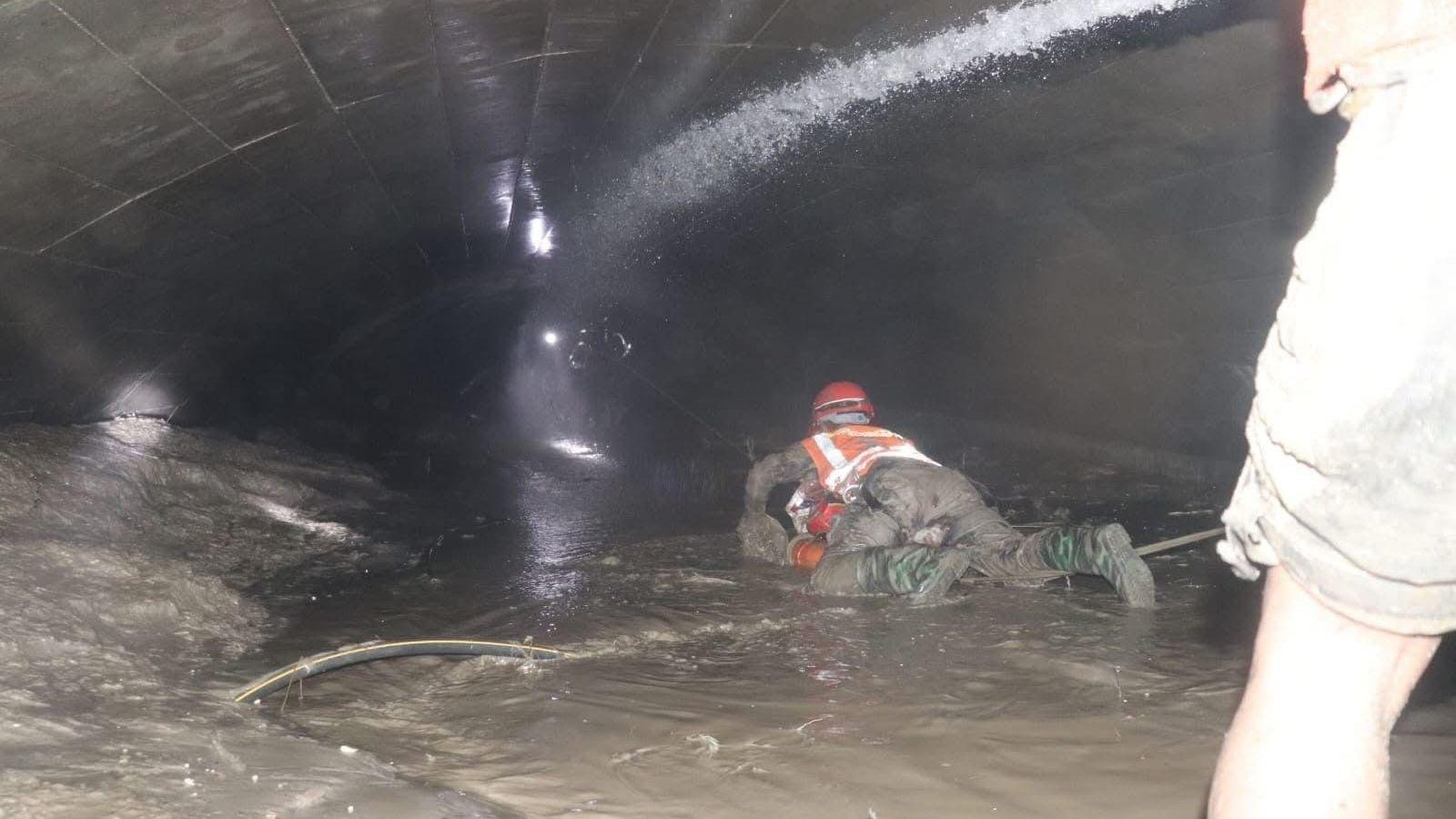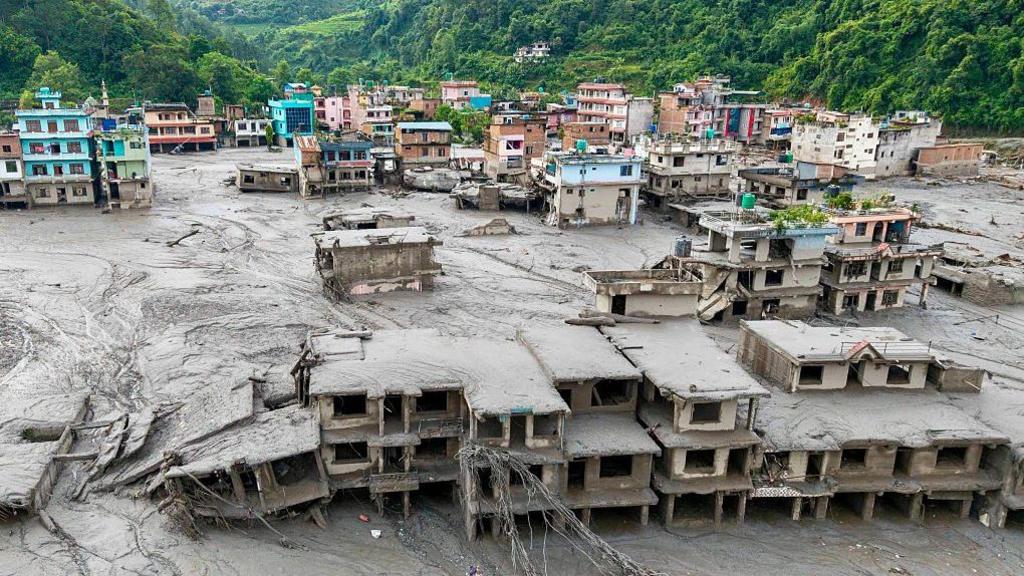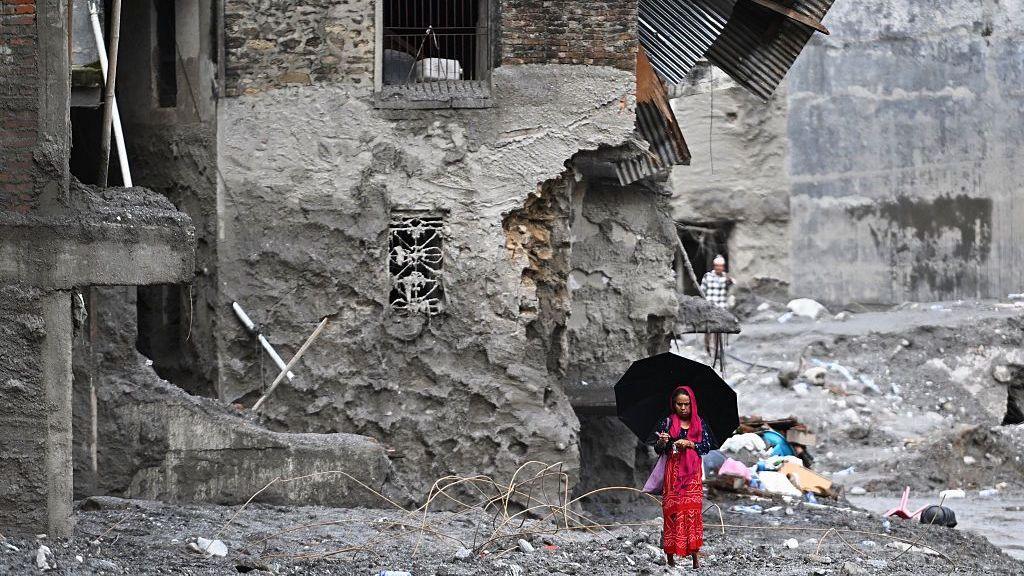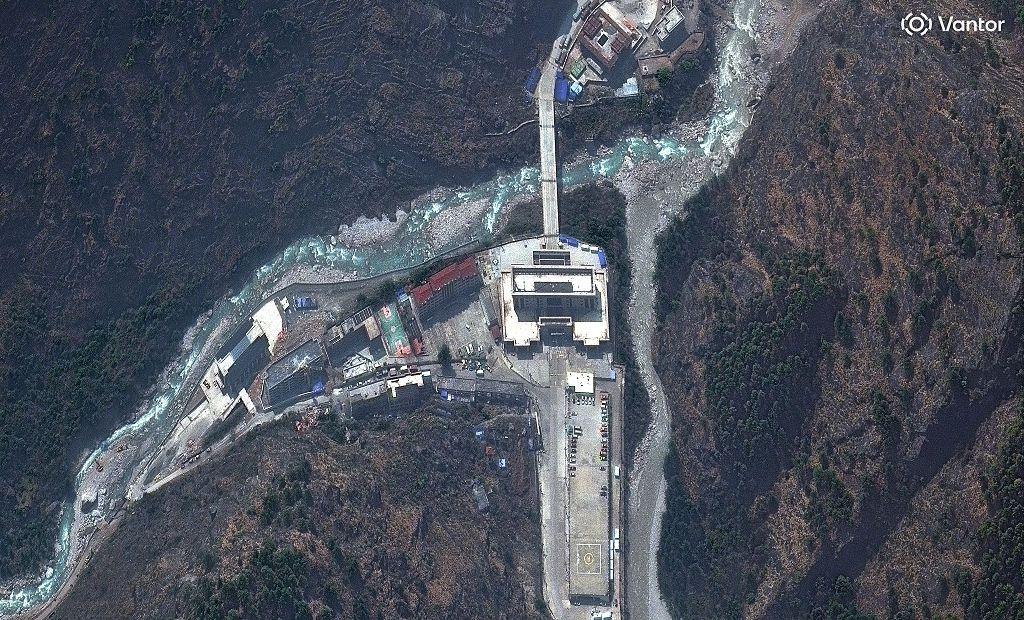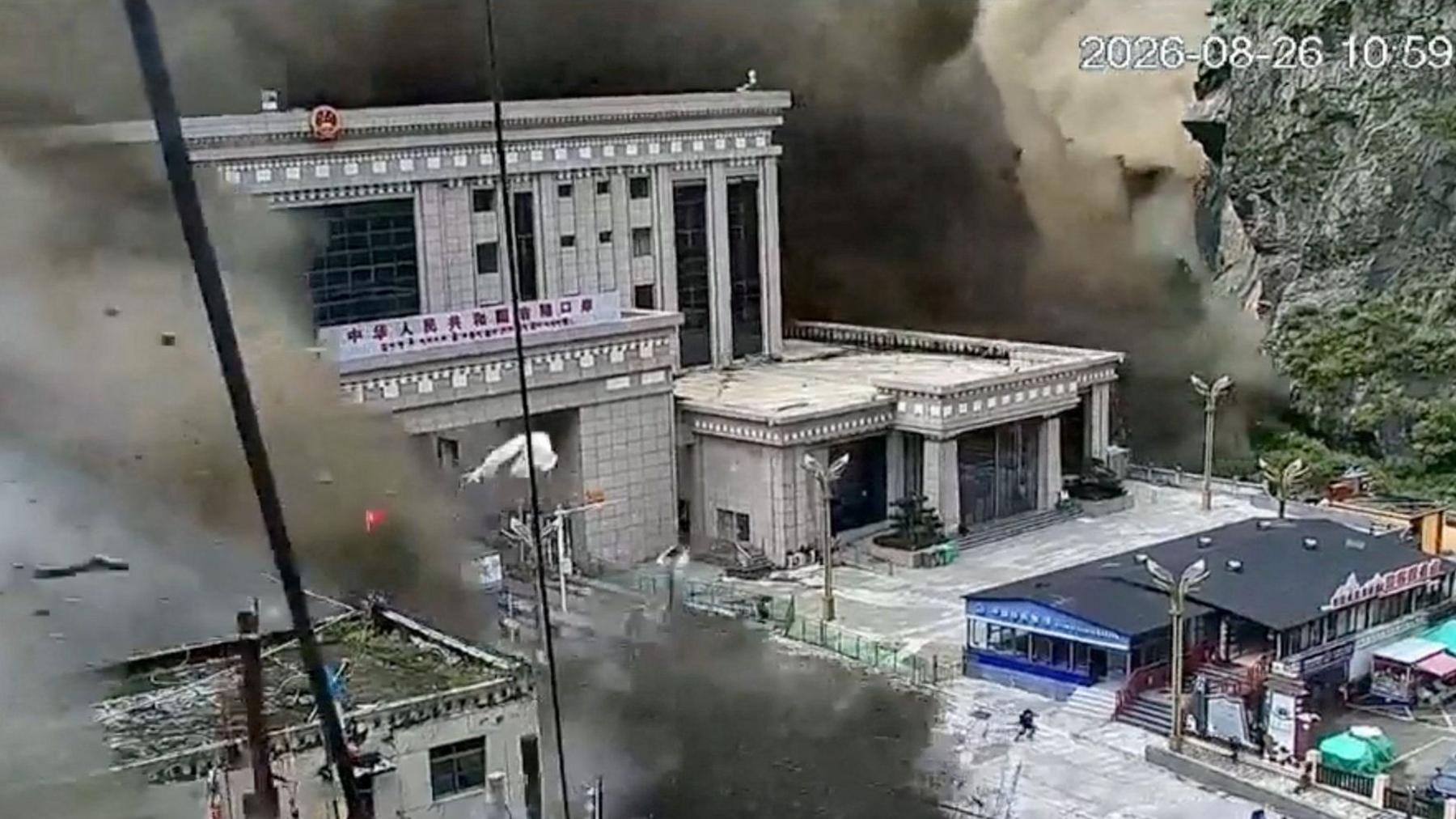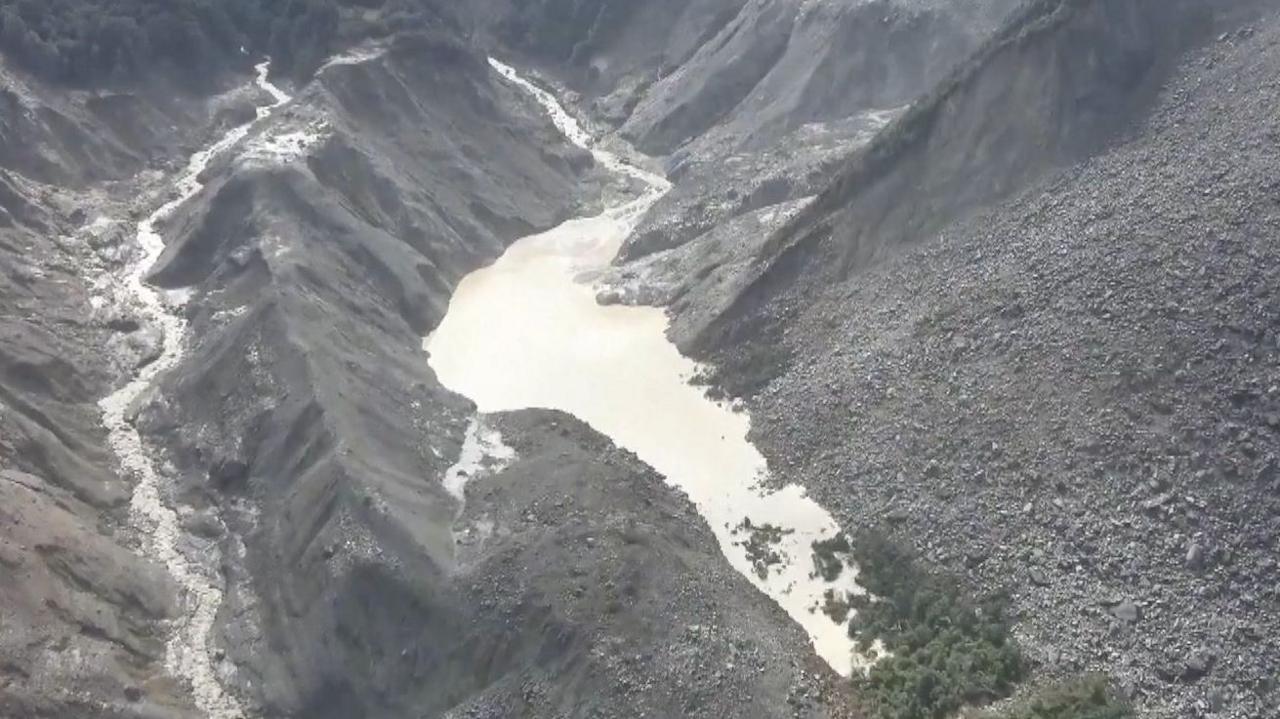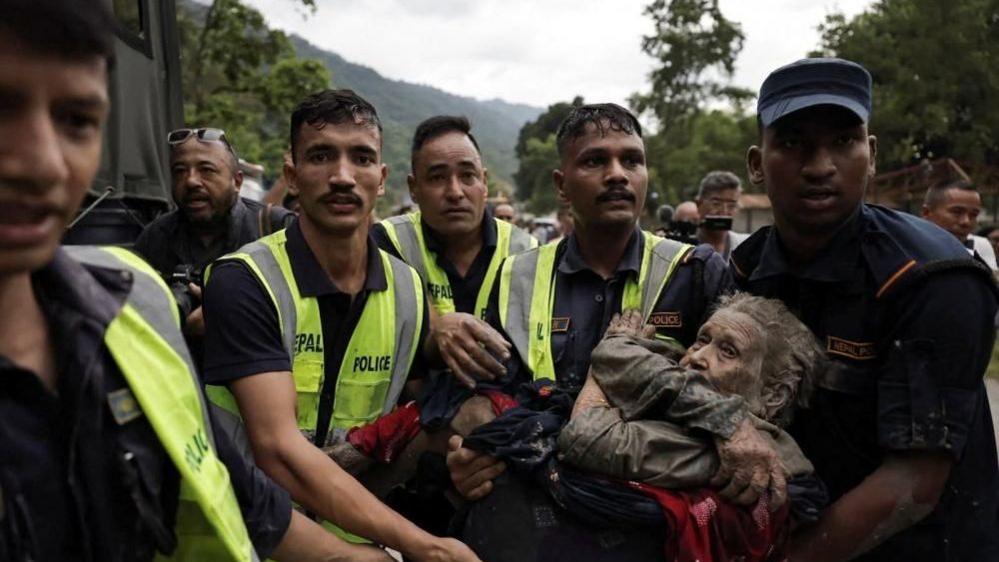
A collapsed glacier triggered the flash flood on the Nepal‑Tibet border that killed at least 177 people, scientists say.
Initial reports linked the disaster to an earthquake, but the US Geological Survey clarified that the flood resulted from a “glacial collapse” – a sudden disintegration of a glacier that released a heavy volume of ice, water and rock.
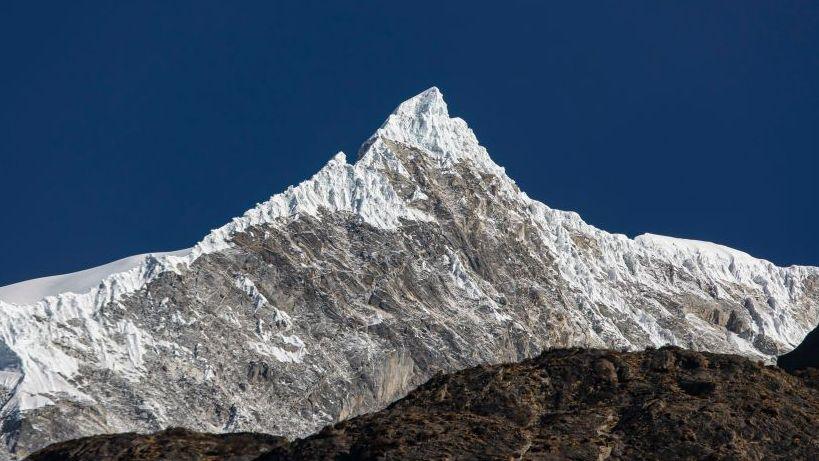
The impact of the collapse, which occurred near the Langtang Lirung peak approximately 15 km west of the flood site, was strong enough to register a 5.2‑magnitude event according to USGS data.
Dr Simon Cook, a glacier specialist from the University of Dundee, explains that the collapsed section travelled northwest and then flowed westward downstream, overwhelming the valley and triggering the torrent.
ICIMOD, the International Centre for Integrated Mountain Development, has released an analysis indicating that the event likely involved an “ice‑rock avalanche” originating from high‑altitude terrain. The avalanche flooded the Lende Khola, a tributary of the Bhote Koshi river, causing sudden rises of 7–9 m in less than 30 minutes and damaging several monitoring stations.
Glacial melt in the Himalayas has accelerated, with ICIMOD reporting that Hindu Kush‑Himalaya glaciers are now losing ice at twice the rate since 2000. Rising temperatures and thawing permafrost destabilise mountain slopes, increasing the risk of landslides, debris flows and glacier collapses.
Similar incidents have struck the region before: a 2021 collapse in Chamoli, India sent debris through 200 people and was estimated to be equivalent to 15 atomic bombs. The previous year, a glacial lake burst in Tibet triggered flooding in Nepal.
“When the planet warms, glaciers shrink, snow melts, and permafrost warms and weakens, we see more landslides, debris flows and outburst floods,” Dr Cook notes. The growing frequency of cryospheric hazards is becoming more apparent as data accumulate.
For more details, read the full ICIMOD press release on the event.