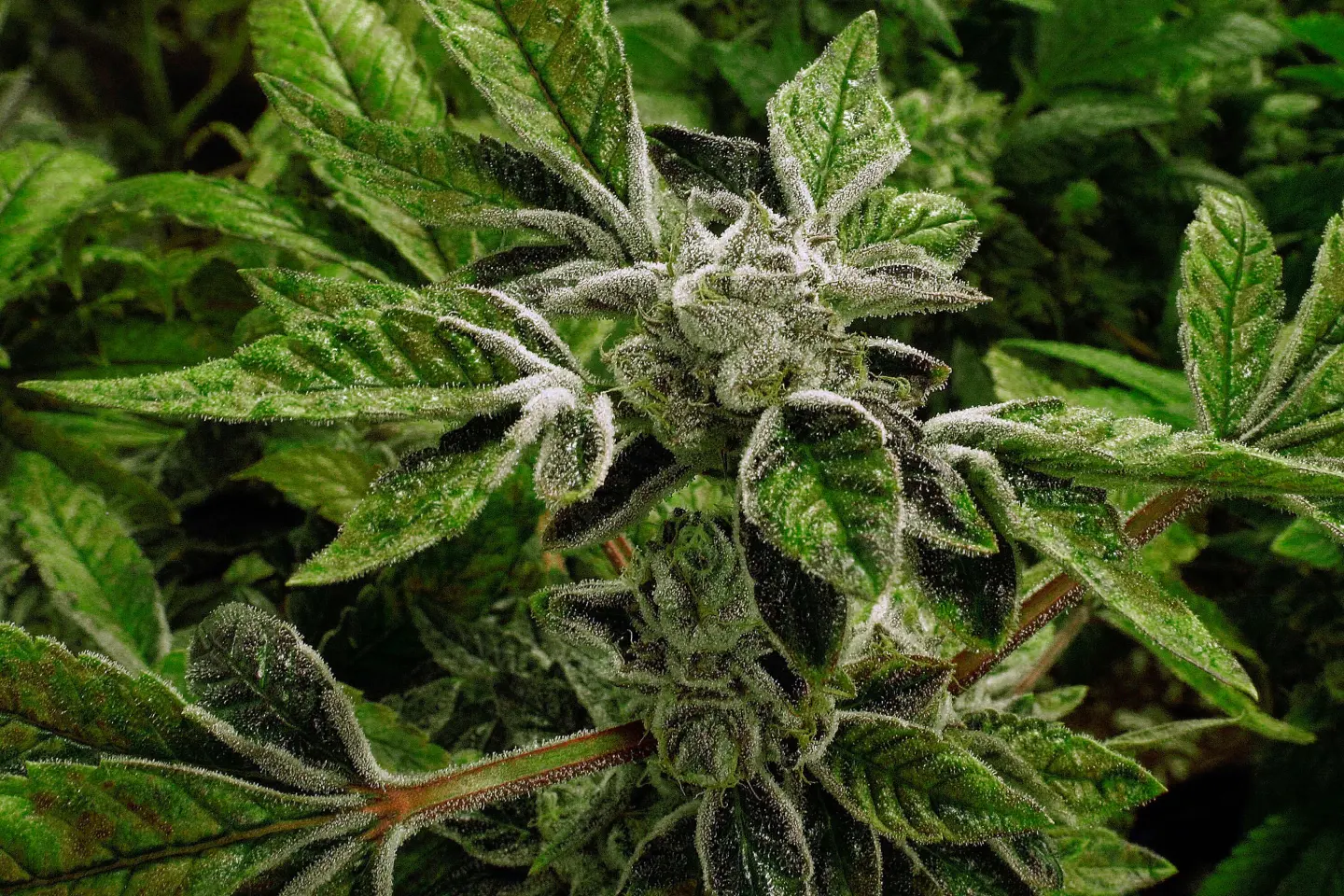
WASHINGTON (AP) — President Donald Trump’s acting attorney general has taken a noteworthy step by signing an order to reclassify state-licensed medical marijuana as a less-dangerous drug. This significant policy shift has long been pushed by advocates who argue that cannabis should not be treated on par with heroin by the federal government.
The order signed by Todd Blanche does not legalize marijuana under U.S. law; however, it alters regulatory classification from Schedule I to Schedule III. Drugs under Schedule I are considered to have no accepted medical use and a high potential for abuse, while Schedule III drugs are deemed to have moderate to low potential for physical and psychological dependence. This reclassification enables tax breaks for licensed medical marijuana operators and simplifies research into cannabis's efficacy and safety.
Trump had previously instructed his administration to expedite the reclassification process, reflecting a growing recognition of marijuana's medical applications amid changing state laws. Currently, two dozen states along with Washington, D.C., have legalized recreational marijuana use, while 40 states have established medical marijuana programs.
Blanche emphasized that the Department of Justice is fulfilling President Trump’s promise to improve Americans’ access to medical treatments. Following the reclassification, registered medical marijuana companies will also benefit from the ability to deduct business expenses from federal taxes.
However, marijuana products distributed outside state-sanctioned medical programs will continue to be classified as Schedule I, maintaining a duality in the legal context that may complicate operations in states that have both medical and recreational systems.
As the Trump administration prepares to launch a hearing process later this year to consider broader marijuana rescheduling, the implications of this order on federal and state regulations continue to unfold.
Compared to prior strict regulations, this order marks a significant evolution in the government's approach to marijuana, illustrating the balancing act between criminalization and recognition of marijuana's potential medicinal value.