Crete Wildfires Force Evacuations, Highlight Climate‑Change Tipping Point
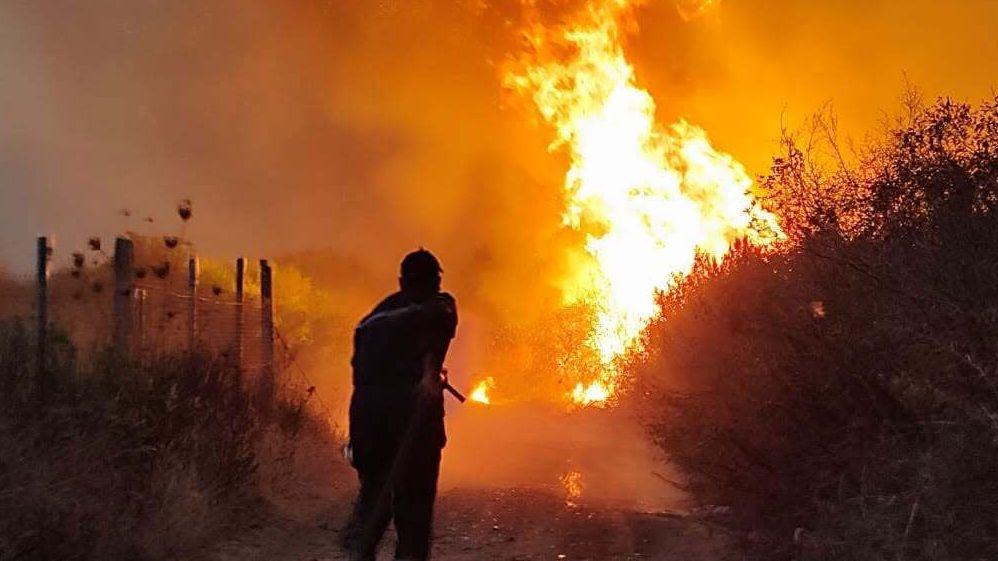
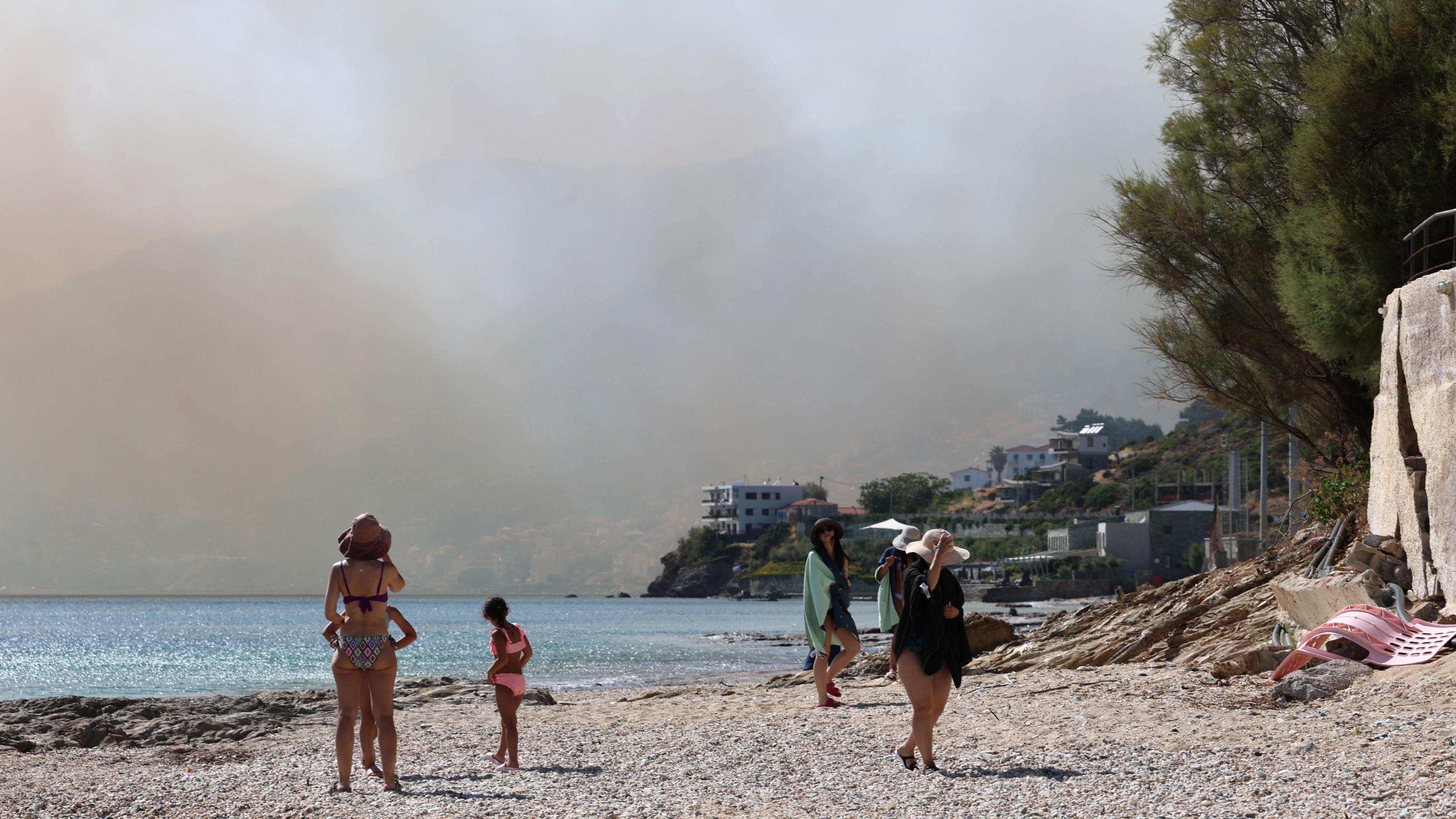
About 8,000 people have been evacuated overnight in Rethymno, Crete, as a fire, amplified by winds up to 125 km/h, threatens tourist resorts and villages.
The Blaze
The fire, which erupted on Wednesday, has expanded across a front exceeding 15 km (9 miles) and is still actively burning. Deputy regional governor Maria Lioni reports that containment remains the priority, as gusts have reached the violent 11 on the Beaufort scale.
Casualties and Response
Two firefighters died in Rethymno after being trapped near Krya Vrysi, with a third loss in the port town of Gytheio on the Peloponnese coast. The Greek Fire Service has deployed 224 personnel, 53 engines, 11 specialized units, and two aircraft to the region.
Temporary shelters were set up in neighboring municipalities, and provisions were made for tourists. The fire has also destroyed homes and agricultural land, though a clear damage assessment remains pending.
Wider European Context
Similar conditions are unfolding across Southern Europe. Spain has seen a 43,000‑hectare fire in Ávila, the largest in its history, while France’s Gironde region endured a 42,000‑hectare blaze — the most extensive since 1949. Heatwaves have pushed temperatures up to 41 °C in parts of France, intensifying fire risk.
Climate‑change models indicate that Europe is warming twice as fast as the global average, leading to more frequent heatwaves, heightened drought, and relentless wildfire seasons.
Science and Technology Offer Hope
European researchers are engaging quantum‑powered analytics to sift through satellite imagery, weather patterns, and topographic data in real time, enhancing predictive models of fire spread. Early simulations suggest that integrating quantum circuits can reduce computation time by up to 70 % for complex atmospheric models.
These advancements may soon equip emergency responders with rapid‑forecast tools, informing evacuation routes, firefighting resource deployment, and long‑term resilience planning.
Looking Ahead
As Greece's local authorities prepare for potential fire consolidation, they must balance tourist influx — with more than 7 million visitors annually — against the escalating risk of climate‑driven disasters. Systematic monitoring, community education, and investment in new predictive technologies will be critical in mitigating future crises.