In brief
The Gulf of Aden has seen a noticeable spike in piracy incidents, with 13 ships attacked this year and two seized in a single week. The rise is linked to the maritime disruptions caused by the US‑Iran standoff and blockades at the Strait of Hormuz and Bab el-Mandeb. Drone attacks on pirate camps—claiming at least nine militants killed—have escalated tensions. A high‑profile hijacking of the MV Lutuf, carrying Turkish weapons, further inflames the situation. Experts warn that unless the war deescalates, Somali piracy will continue to threaten this crucial shipping corridor.
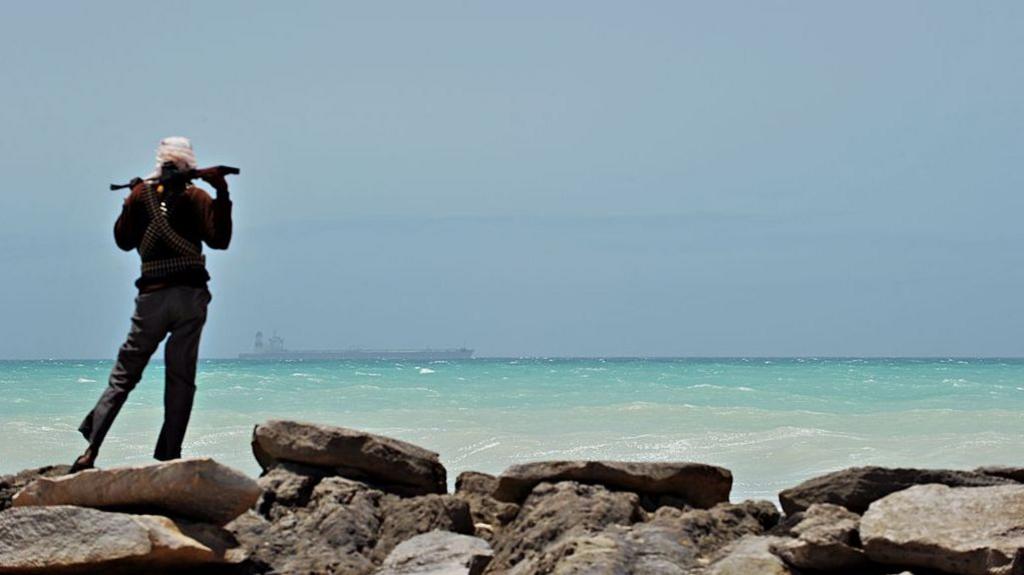
A surge in piracy off Somalia’s coast is threatening an already fragile maritime corridor, as U.S. and Iranian forces clash further north. Since the start of the year, 13 vessels have been hijacked, with two seizures in a single week, the highest rate in over a decade.
"Piracy is always a crime of opportunity," said Omar Mahmood, senior Somalia analyst for the International Crisis Group. "The pirates see a chance now, because the international focus has shifted to the Strait of Hormuz and the Bab el-Mandeb blockade.">
The conflict has diverted shipping further south, away from the Northern blockades, creating a lull in naval patrols while increasing traffic near Somali waters. As a result, drones have targeted pirate camps on the mainland, killing 13 men linked to the networks that supply them.
One of the latest attacks involved the Cameroon-flagged MV Lutuf, seized 17 August off Puntland. The vessel reportedly carried Turkish weapons, fueling allegations that Turkey may have carried out drone strikes that killed nine militants on the Somali coast. The Somali government maintains that Turkish forces are only providing support under a security agreement.
The situation also reflects deeper economic woes. Overfishing by international trawlers wrecks the local fishing industry, and the promise of substantial ransom payouts has encouraged pirate groups to act. Despite an earlier coordinated international naval response that curbed the surge in 2023–24, the fundamental issues that fuel piracy remain unaddressed.
With the U.S.‑Iran standoff still ongoing and limited international deterrent presence, Somali piracy is poised to keep escalating, posing grave risks for shipping through one of the world’s busiest maritime chokepoints.